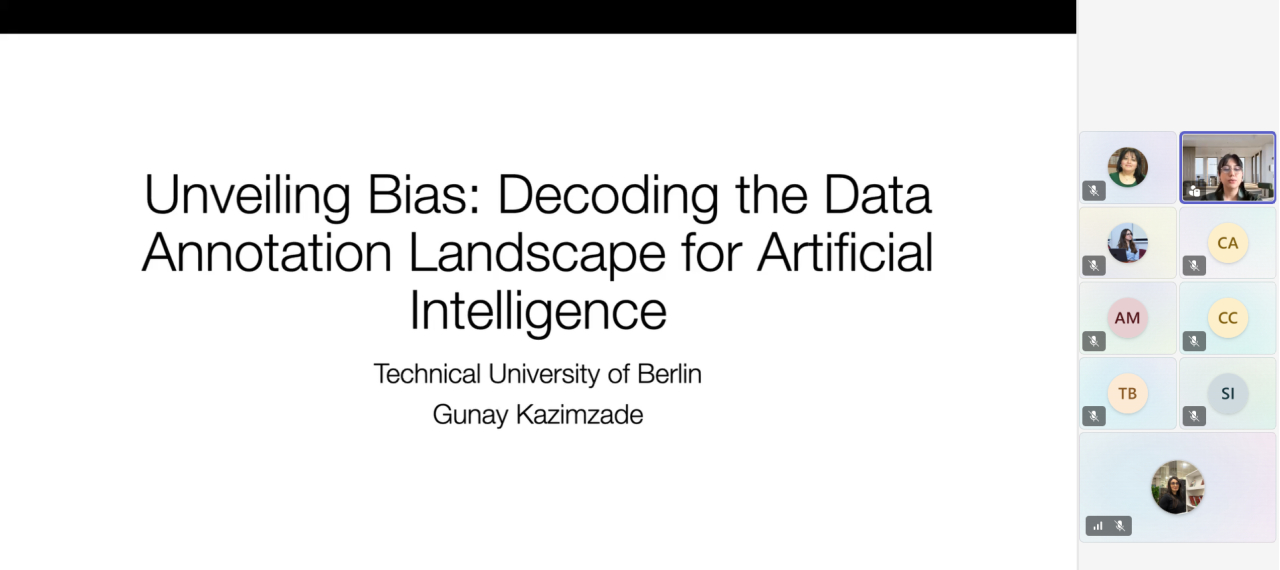
Within the “State Program on Increasing the International Competitiveness of the Higher Education System in the Republic of Azerbaijan for 2019–2023,” a seminar was held on March 11, 2026, with the participation of doctoral student Gunay Kazimzade, who is pursuing her studies at the Technical University of Berlin, Germany, under a trilateral agreement between the Ministry of Science and Education of the Republic of Azerbaijan and Khazar University. Organized by the Graduate School of Science, Art and Technology and the Department of Computer Science of Khazar University, the seminar was dedicated to the topic “Uncovering Hidden Mechanisms of Data Annotation Influence: A Multilevel Framework for Ethical AI.”
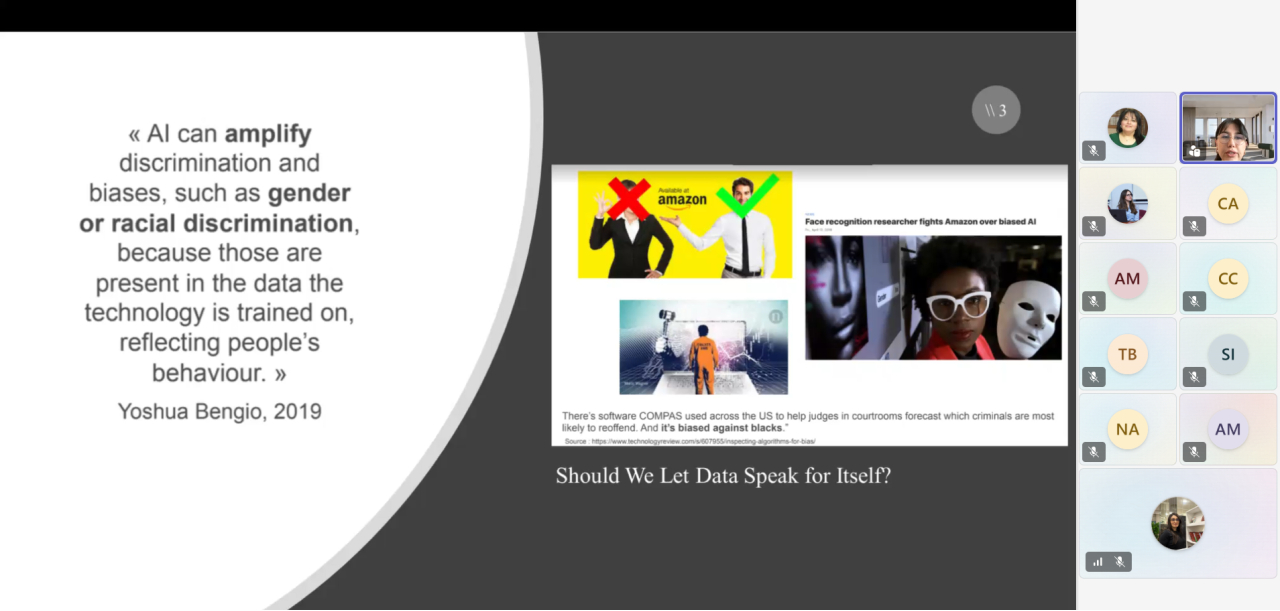
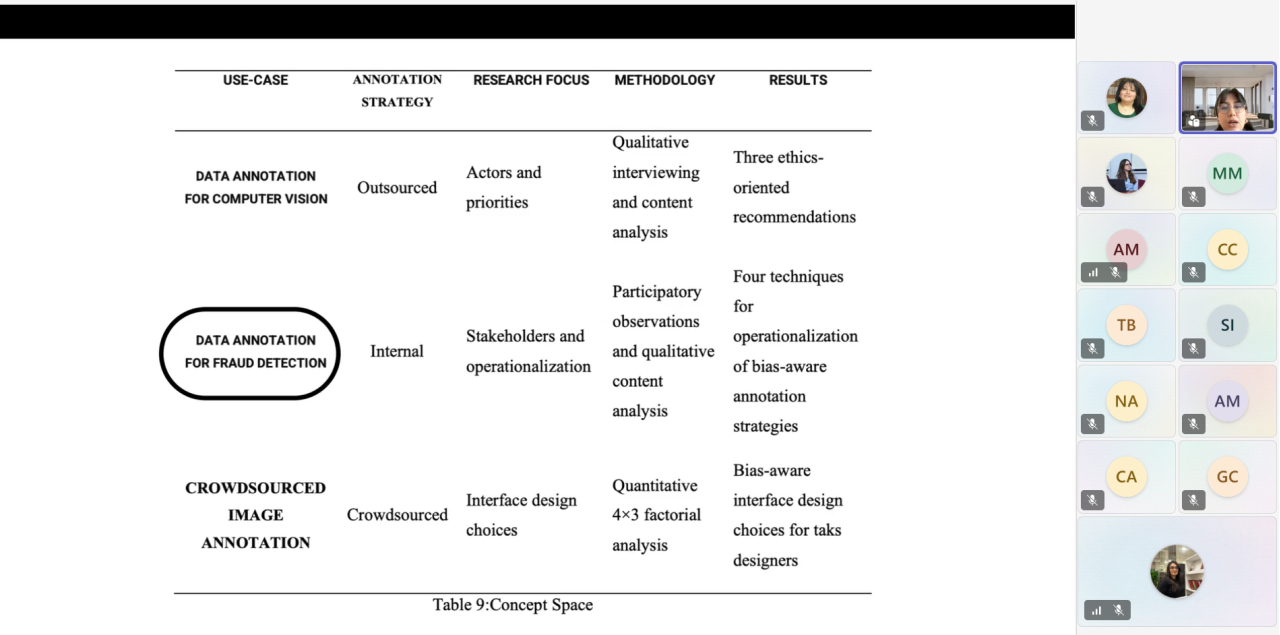
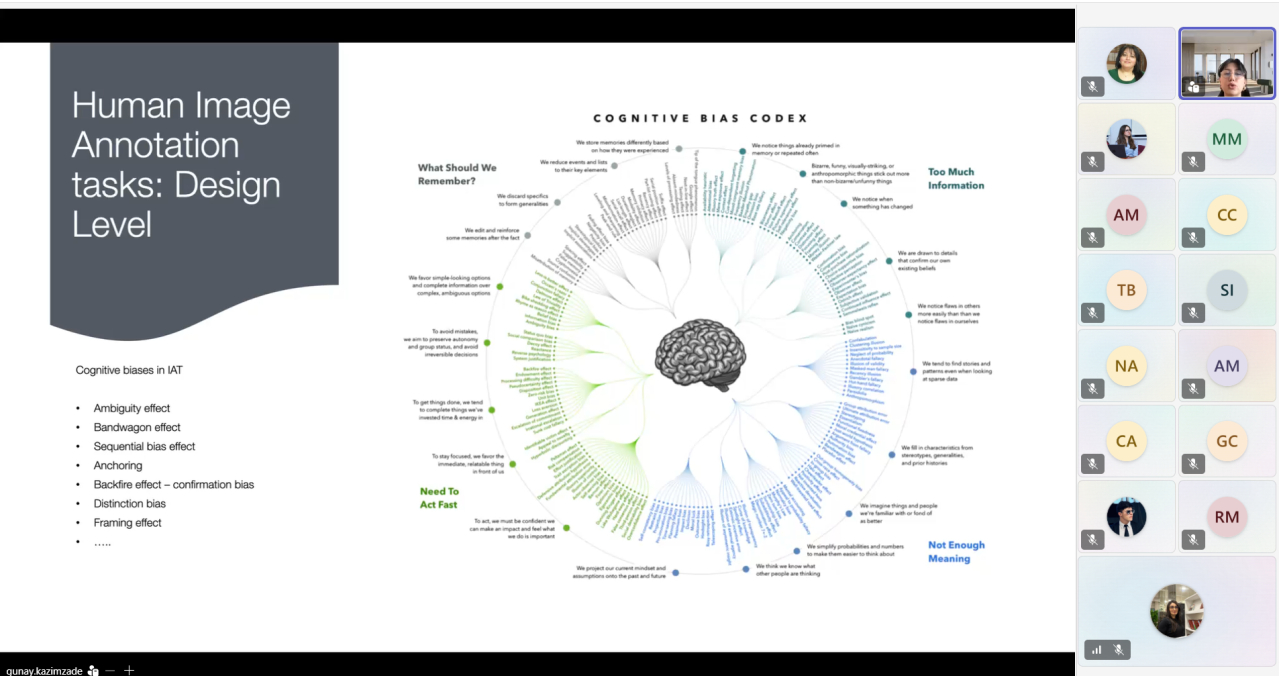
During the seminar, information was provided on how bias in artificial intelligence systems can emerge prior to the model training stage, particularly during the process of labeling raw data by human annotators. It was noted that individual decisions of annotators, organizational work practices, and market pressures during data labeling may contribute to the formation of bias and its subsequent transfer to AI models.
The presentation highlighted that the research was conducted across micro, meso, and macro levels. At the micro level, psychological factors influencing annotators’ decisions were examined; at the meso level, organizational rules and working conditions were discussed; and at the macro level, market pressures and the ethical risks of outsourcing processes were analyzed.
Within the framework of the seminar, proposals were also put forward regarding the application of fairness-oriented tools to reduce bias in AI systems, approaches to ethical artificial intelligence, and more transparent and responsible data governance.
At the end of the seminar, discussions were held on the topic, and participants’ questions were answered.


Copyright © Khazar University, 2026

 Facebook
  Instagram
  X
X  LinkedIn
  Telegram
  YouTube