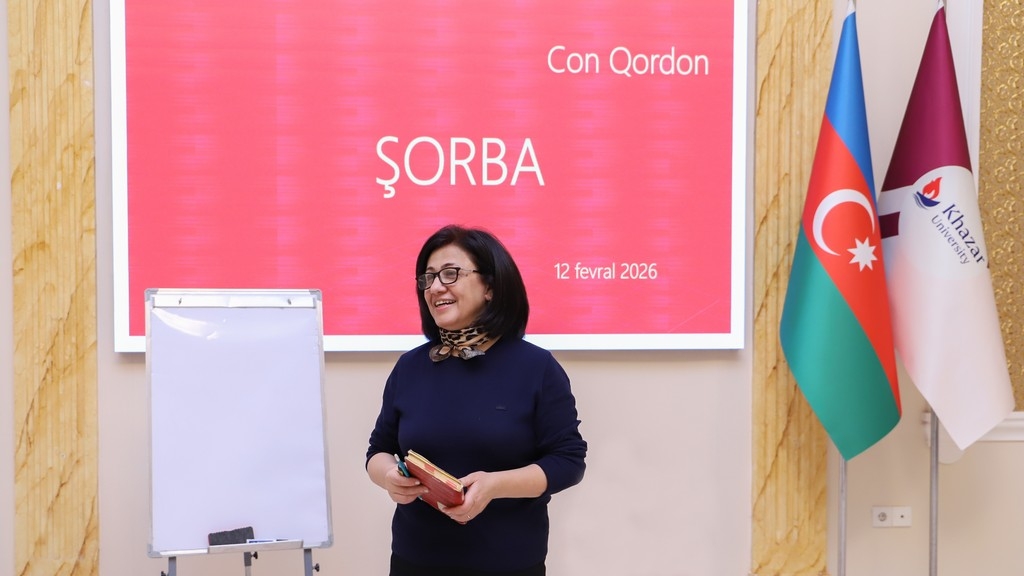
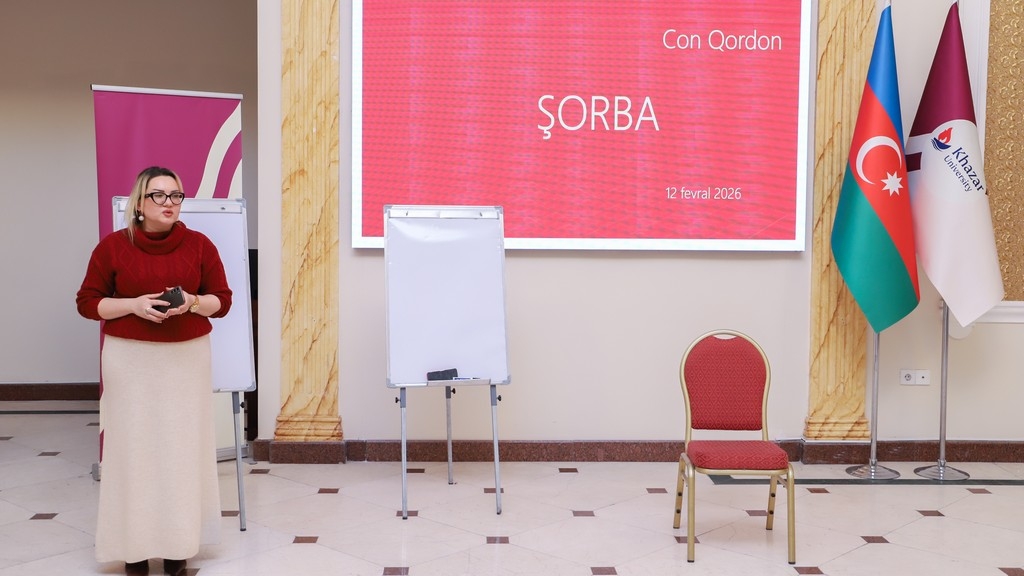
On February 12, 2026, a training session on "Professional Ethics and Organizational Behavior" was held for Khazar staff, jointly organized by the Career and Alumni Center and the School of Economics and Management.
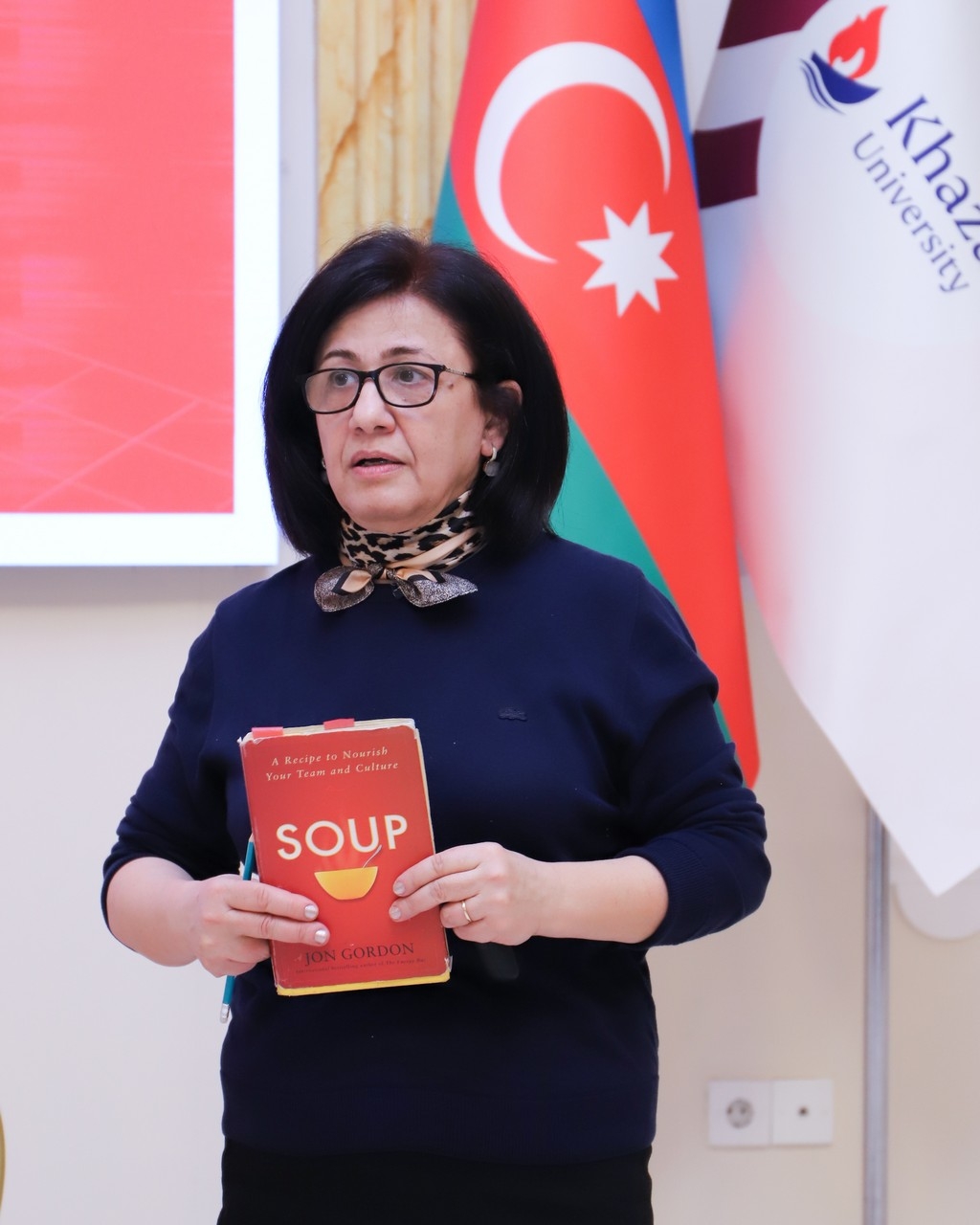
The training was conducted based on a program developed around the book "Soup" by renowned motivational author Jon Gordon. During the session, the key "ingredients" of organizational culture — a positive attitude, shared values, healthy relationships, leadership by example, and individual accountability — were discussed in depth.
The training was opened by Zarifa Aliyeva, Director of the CAC, who spoke about the objectives and significance of the event.
The fact that Khumar Huseynova, Head of the Training and Development Department at Access Bank and the session's trainer, is a long-standing associate and alumna of Khazar lent special value to the event. In her address, she stressed that years as a student and her experience give her a close familiarity with the university environment. She explained the topics not only on a theoretical framework, but also through real events and work experiences from Khazar. This approach enabled participants to gain an understanding of the subject matter and engage more actively in discussions.
Conducted in an interactive format, the training provided participants with an opportunity to exchange views on the impact of energy within a team on overall outcomes, the effect of interpersonal relationships on work quality, and the importance of a solution-oriented approach to challenges. It was underscored that the behavior and attitude of each staff member plays a decisive role in shaping the overall organizational environment. Key messages such as "come with a solution, not a complaint," "lead by example through your own conduct," and "embrace continuous development as a personal responsibility" formed the central thread of the training.
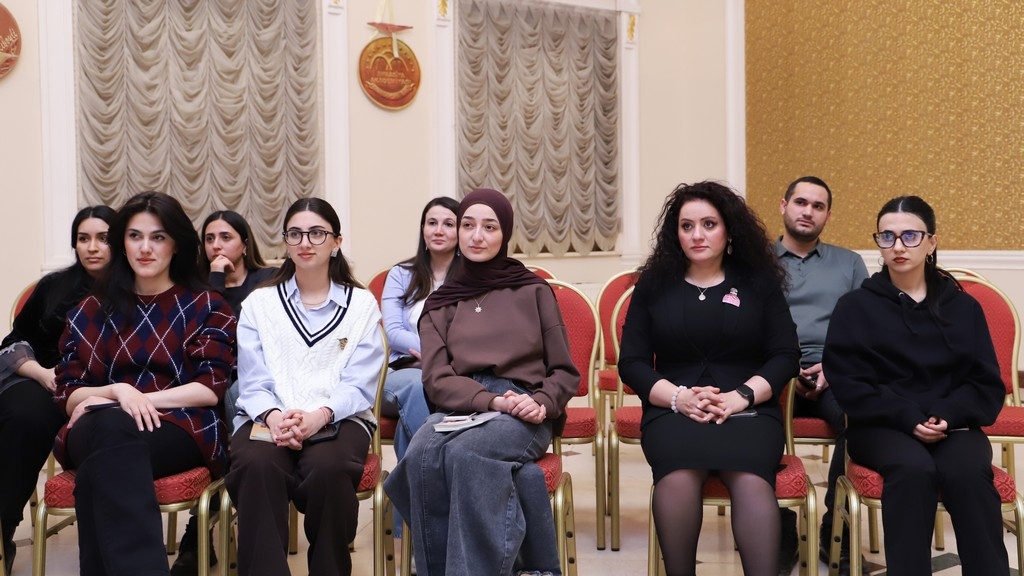
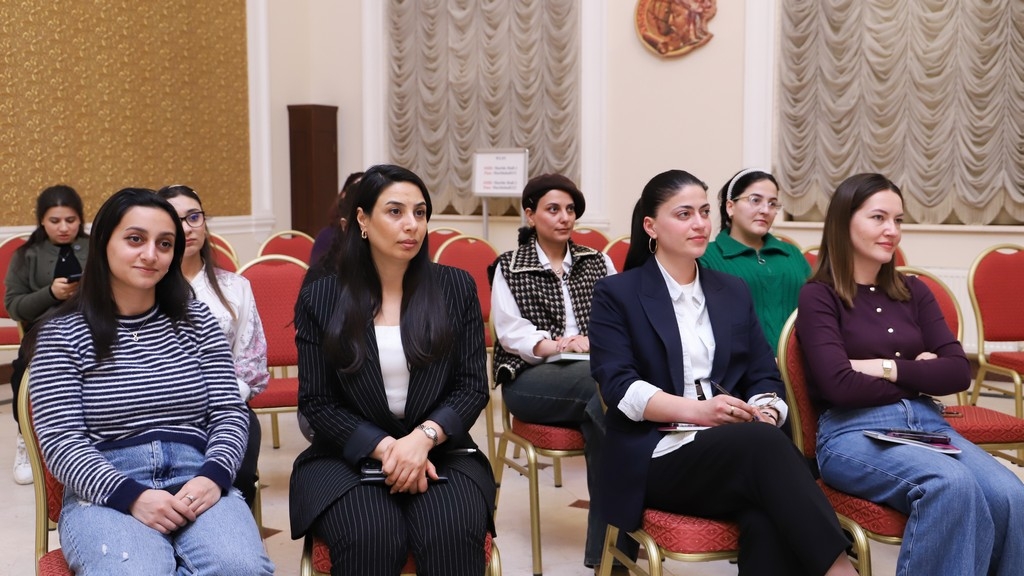
Group work and discussions on real-life scenarios were organized during the session. Participants noted that they gained new perspectives on professional ethics and organizational behavior, and identified concrete steps toward fostering a healthier work environment within their teams.
This initiative was recognized as a significant step toward strengthening a culture of professional collaboration within the university, promoting a values-based management approach, and reinforcing alumni–university ties.
At the close of the training, the most important point was emphasized: organizational culture is shaped not by documents, but by people — and every staff member, through their conduct, energy, and attitude, influences the overall atmosphere of the university.





Copyright © Khazar University, 2026

 Facebook
  Instagram
  X
X  LinkedIn
  Telegram
  YouTube