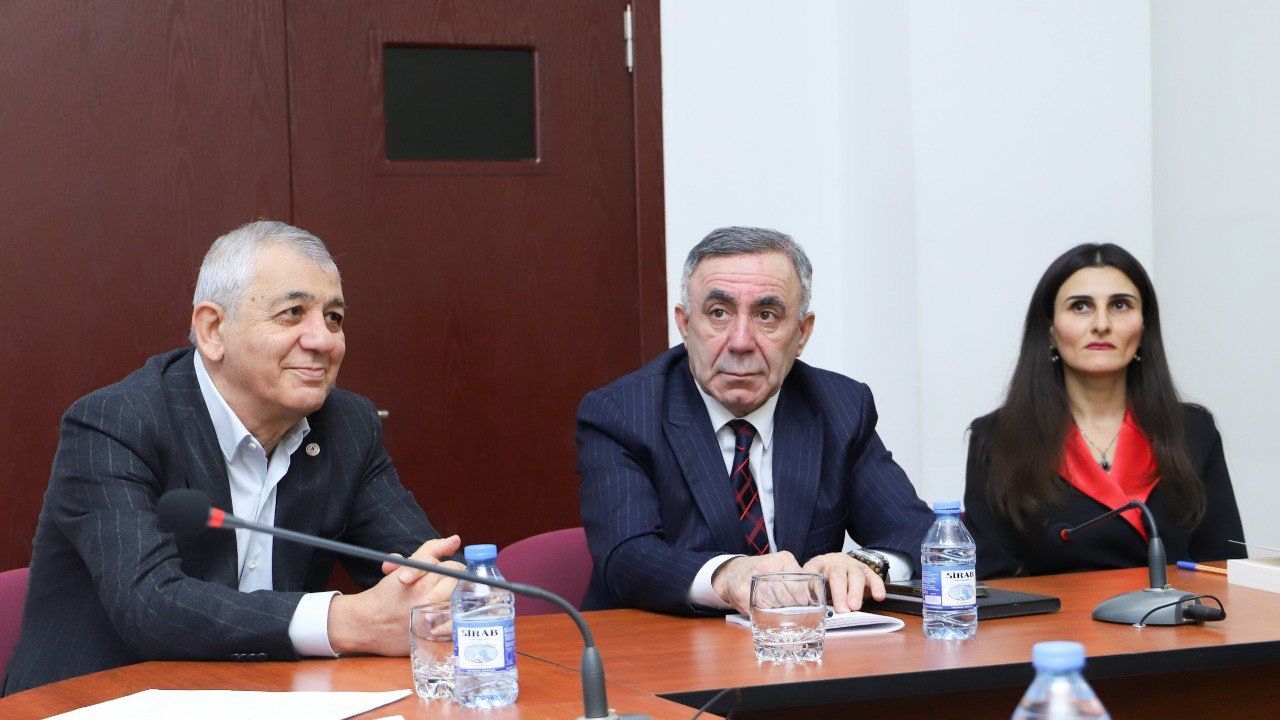
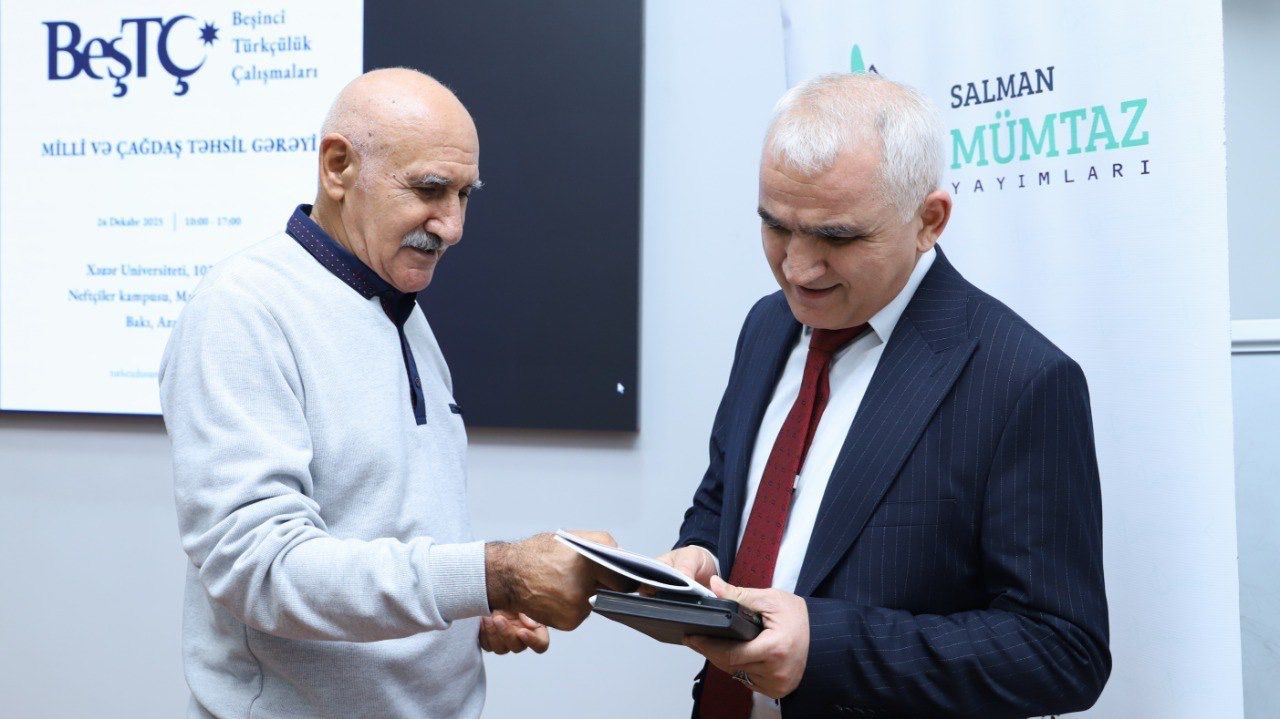
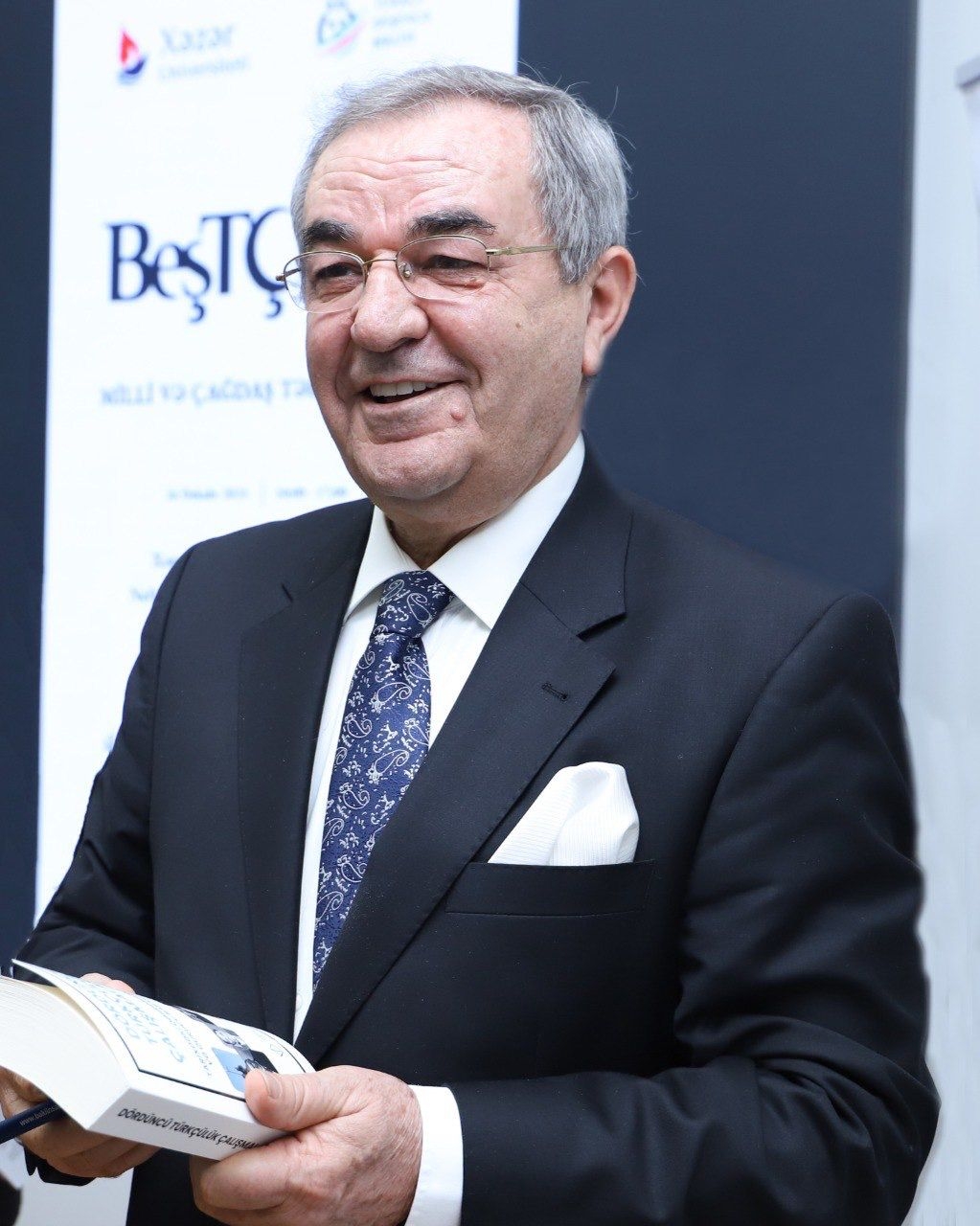
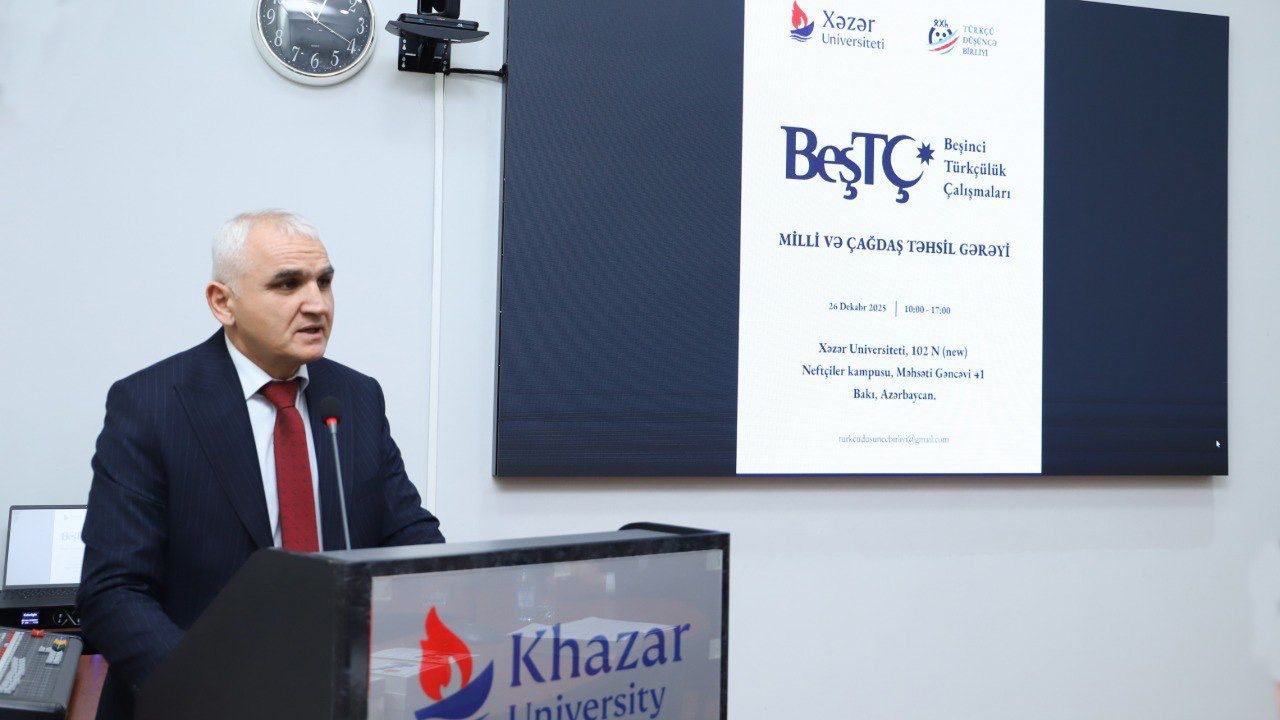
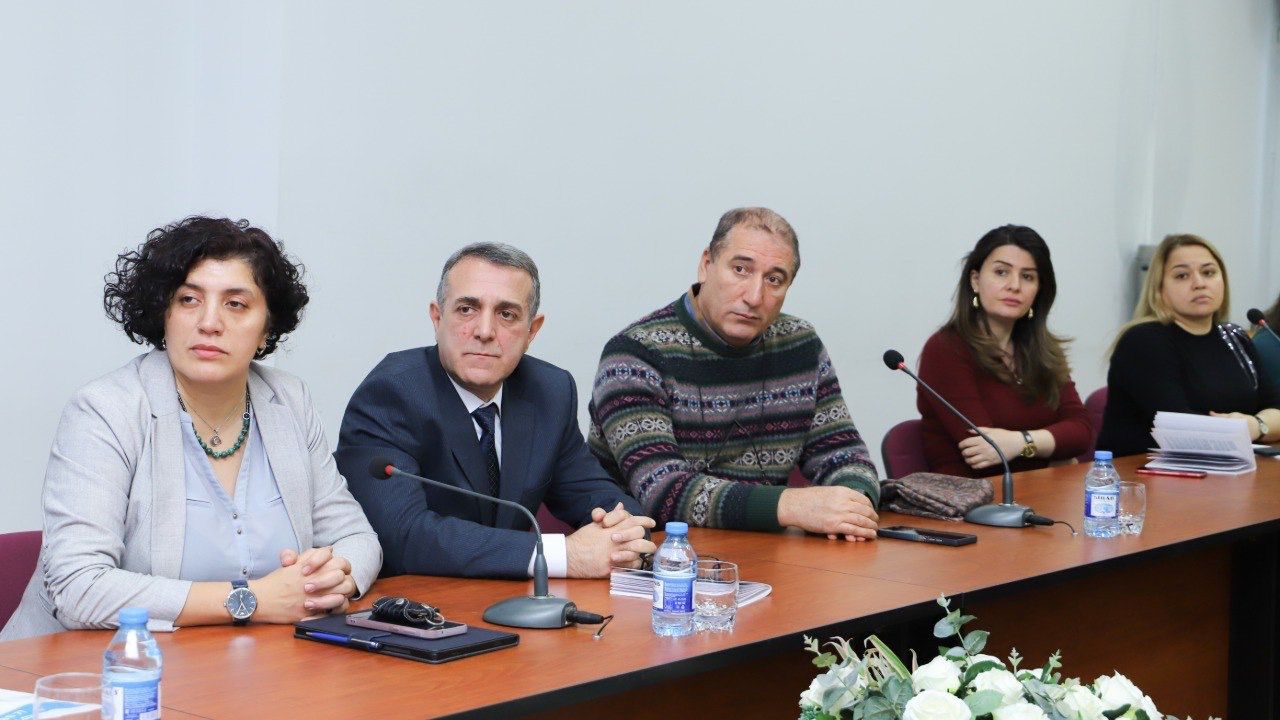
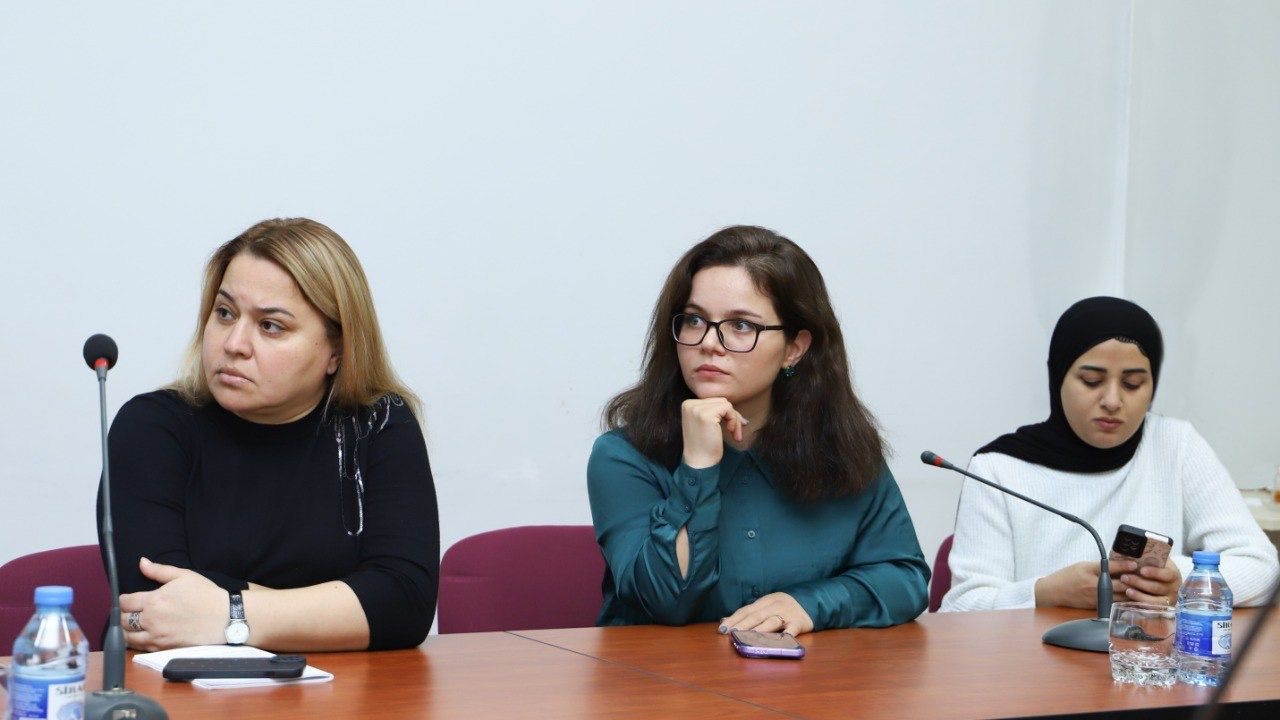
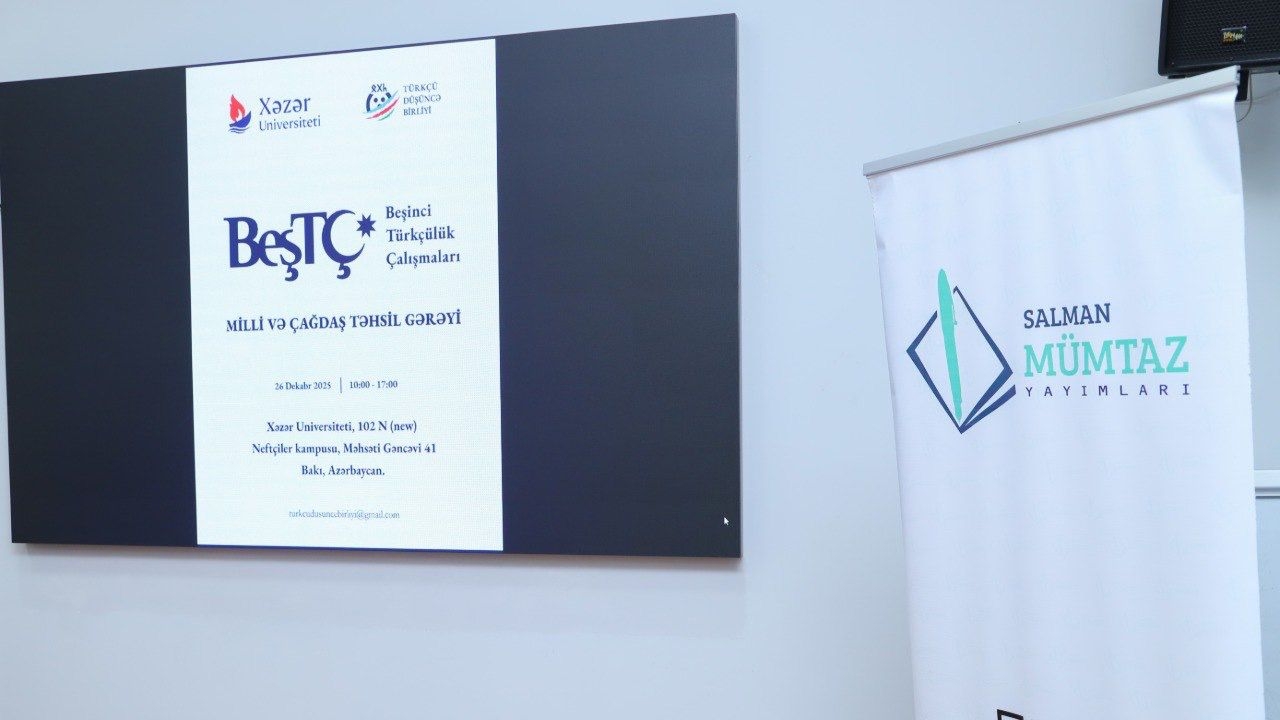
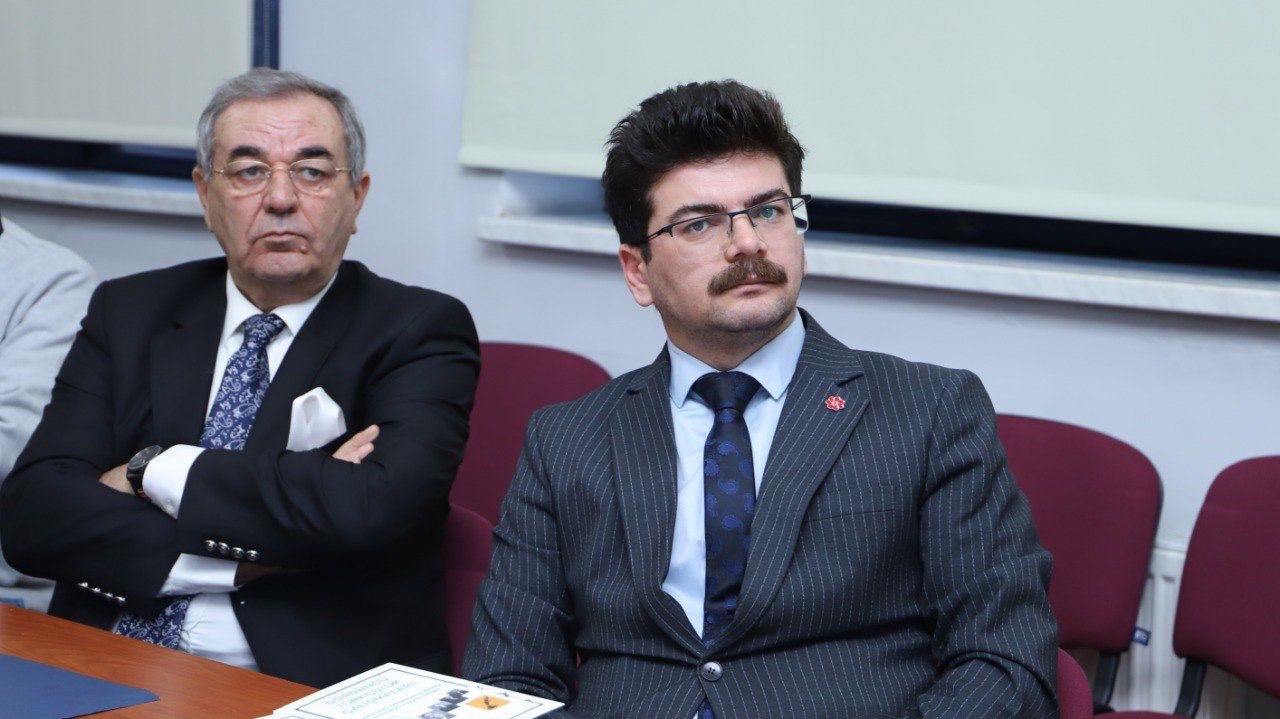
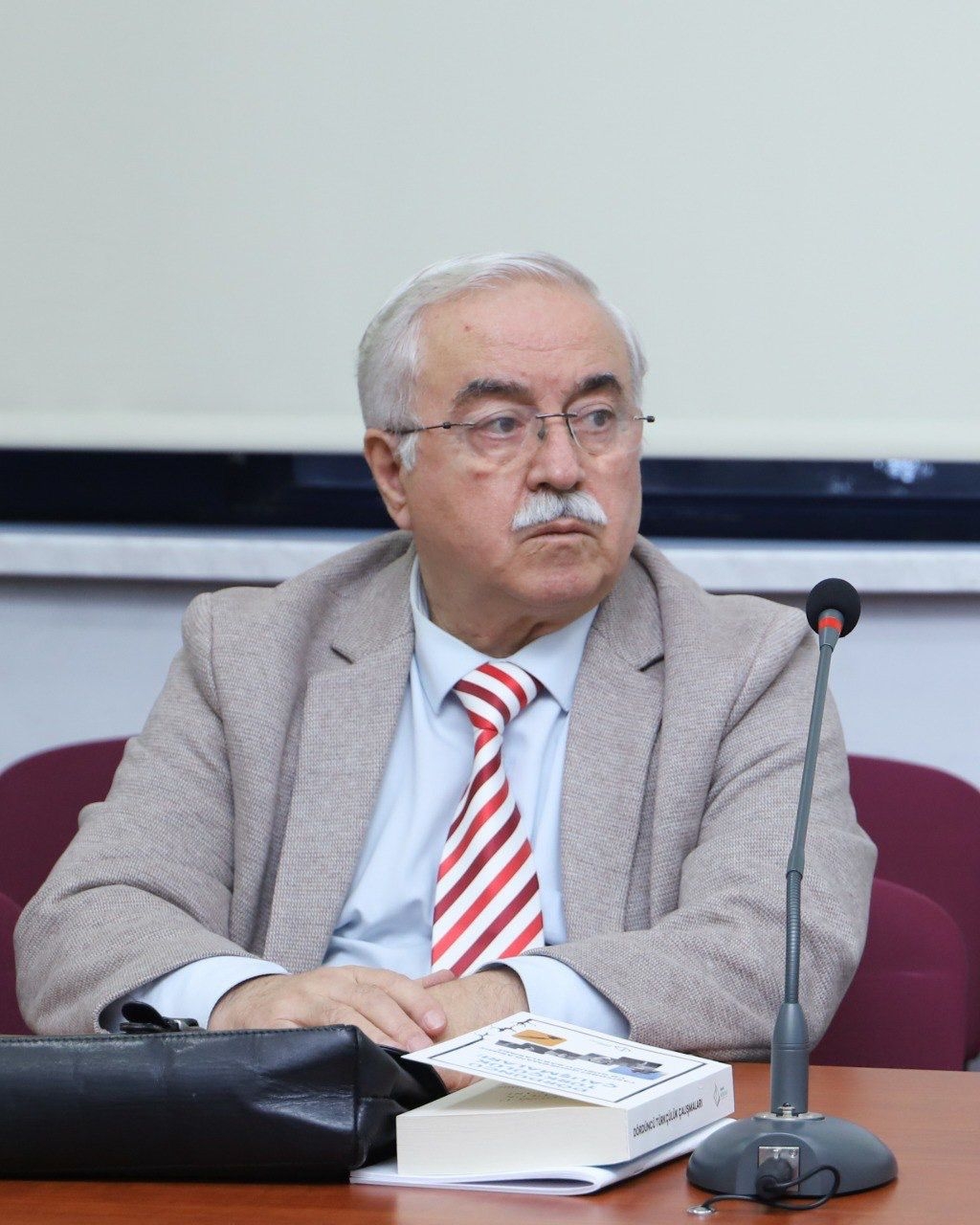
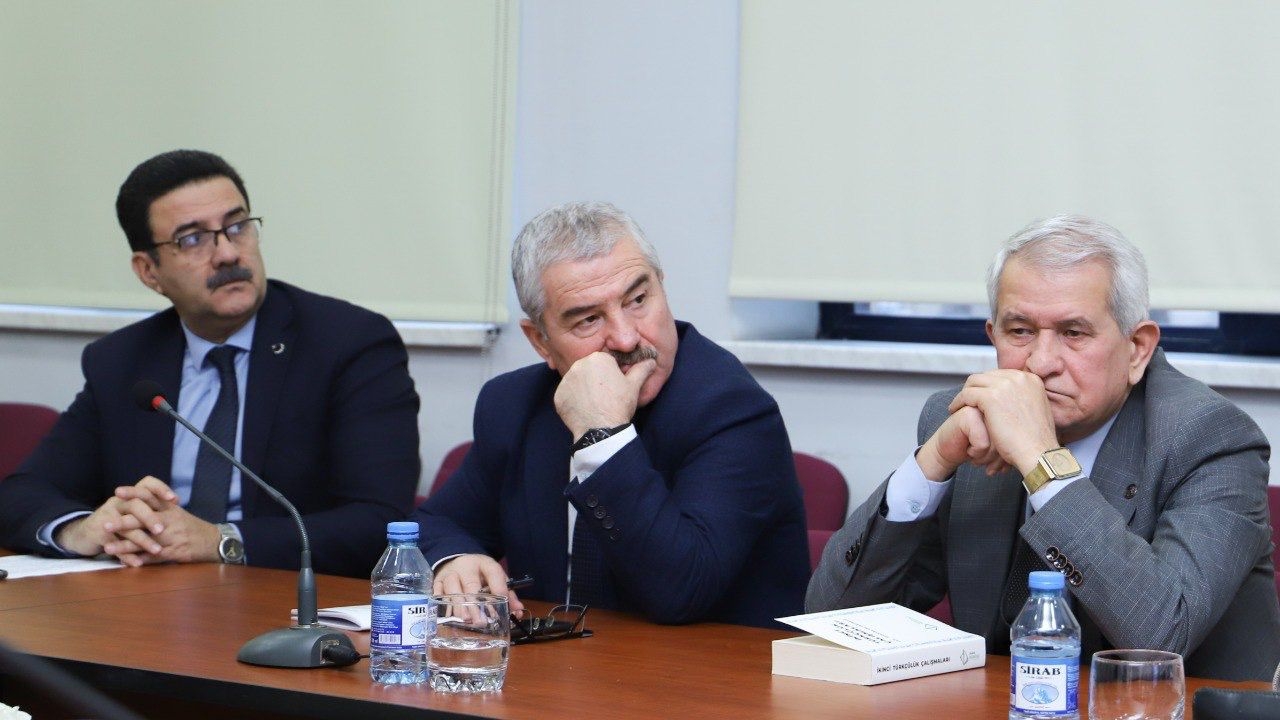
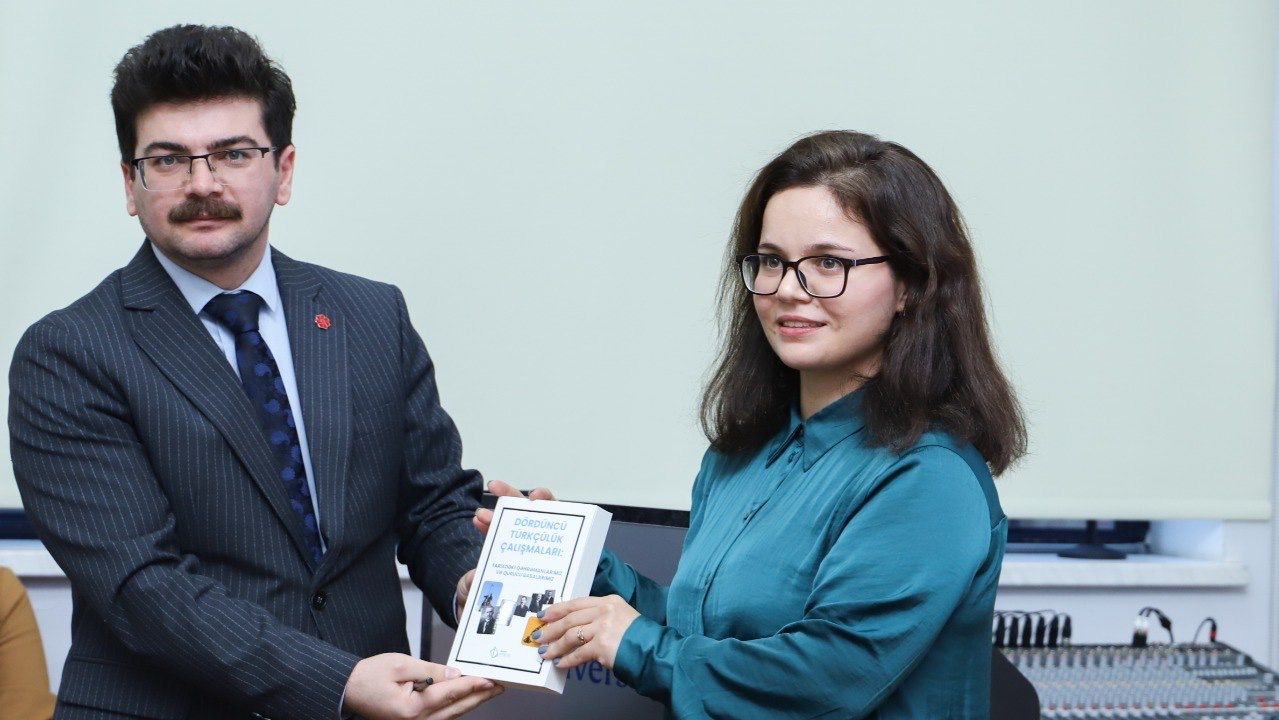
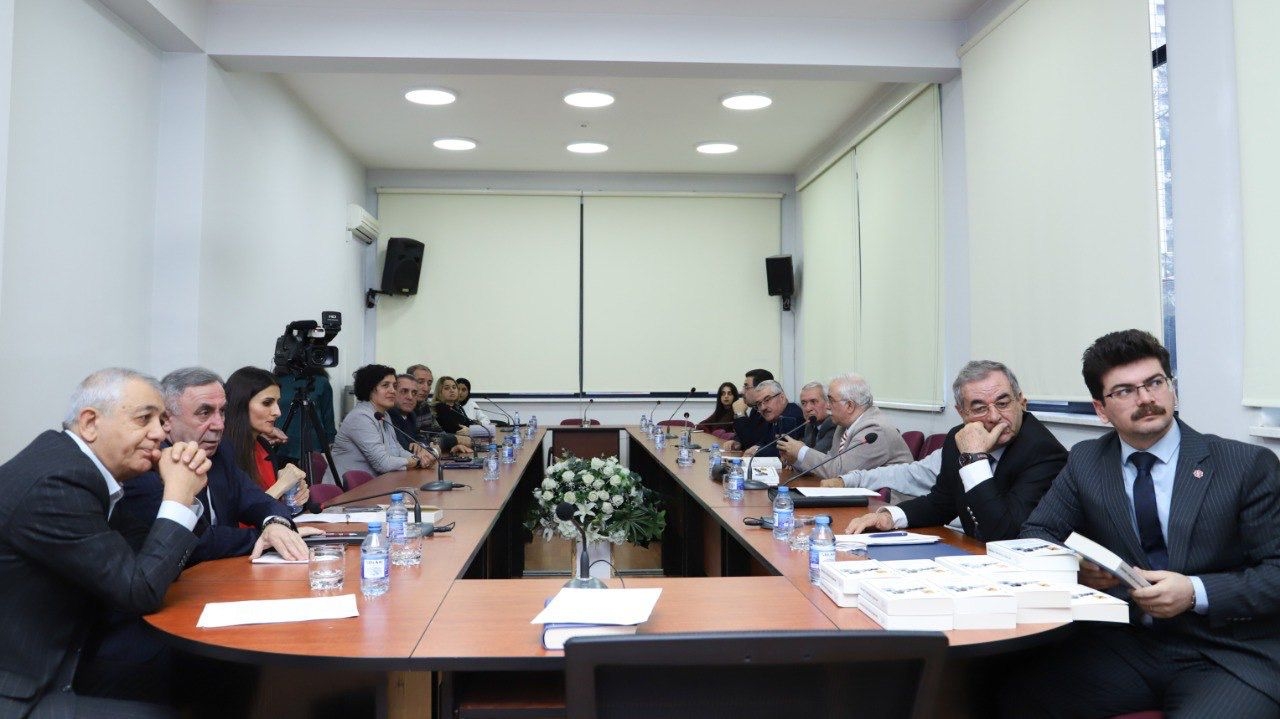
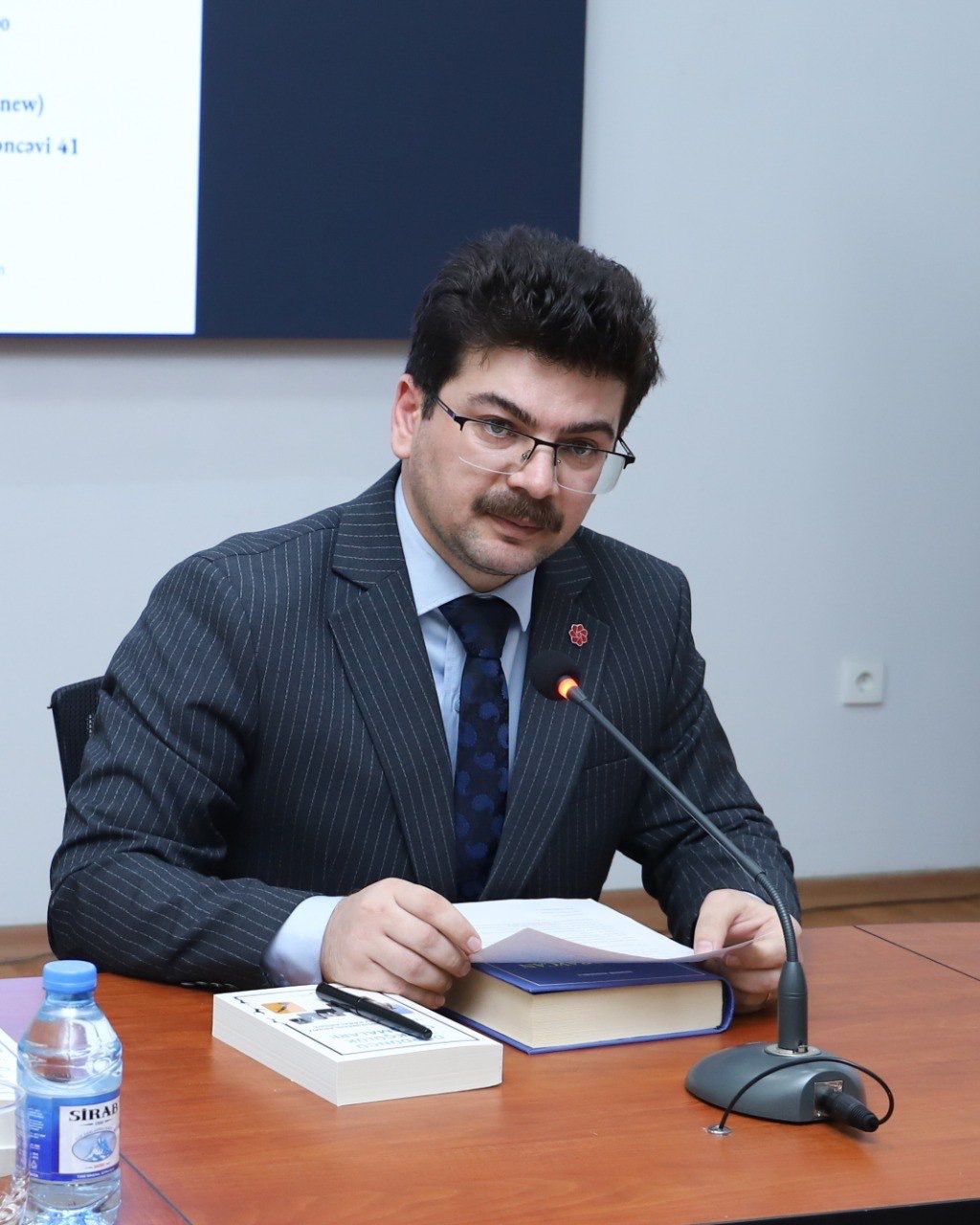
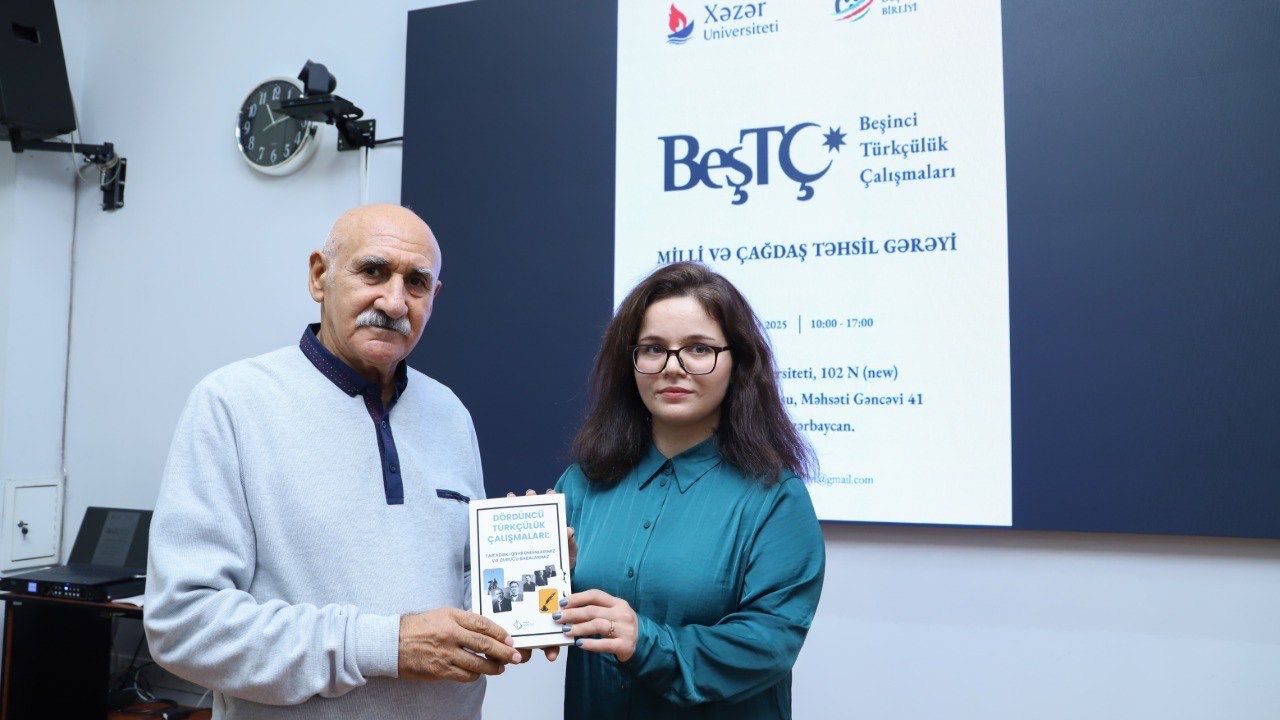
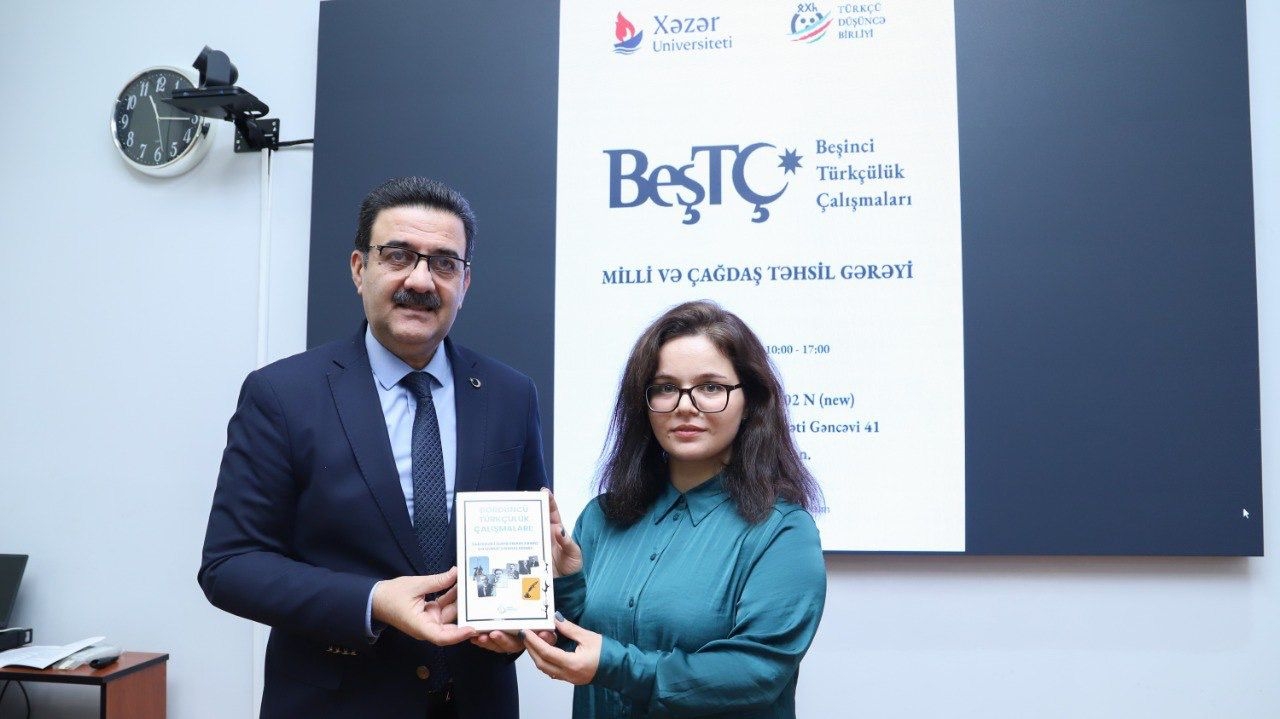
On December 26, 2025, a scientific conference titled "Fifth Turkism Studies" was held at Khazar University, jointly organized by the Department of History and Archaeology and the Union of Turkist Thought. The conference was dedicated to the theme "National and Modern Education Necessity" and focused primarily on evaluating modern education systems in the context of national values and contemporary scientific approaches.
At the opening of the conference, the head of the Department of History and Archaeology, Associate Professor Telman Nusratoglu, delivered remarks, greeting the participants and emphasizing the scientific significance of the event.
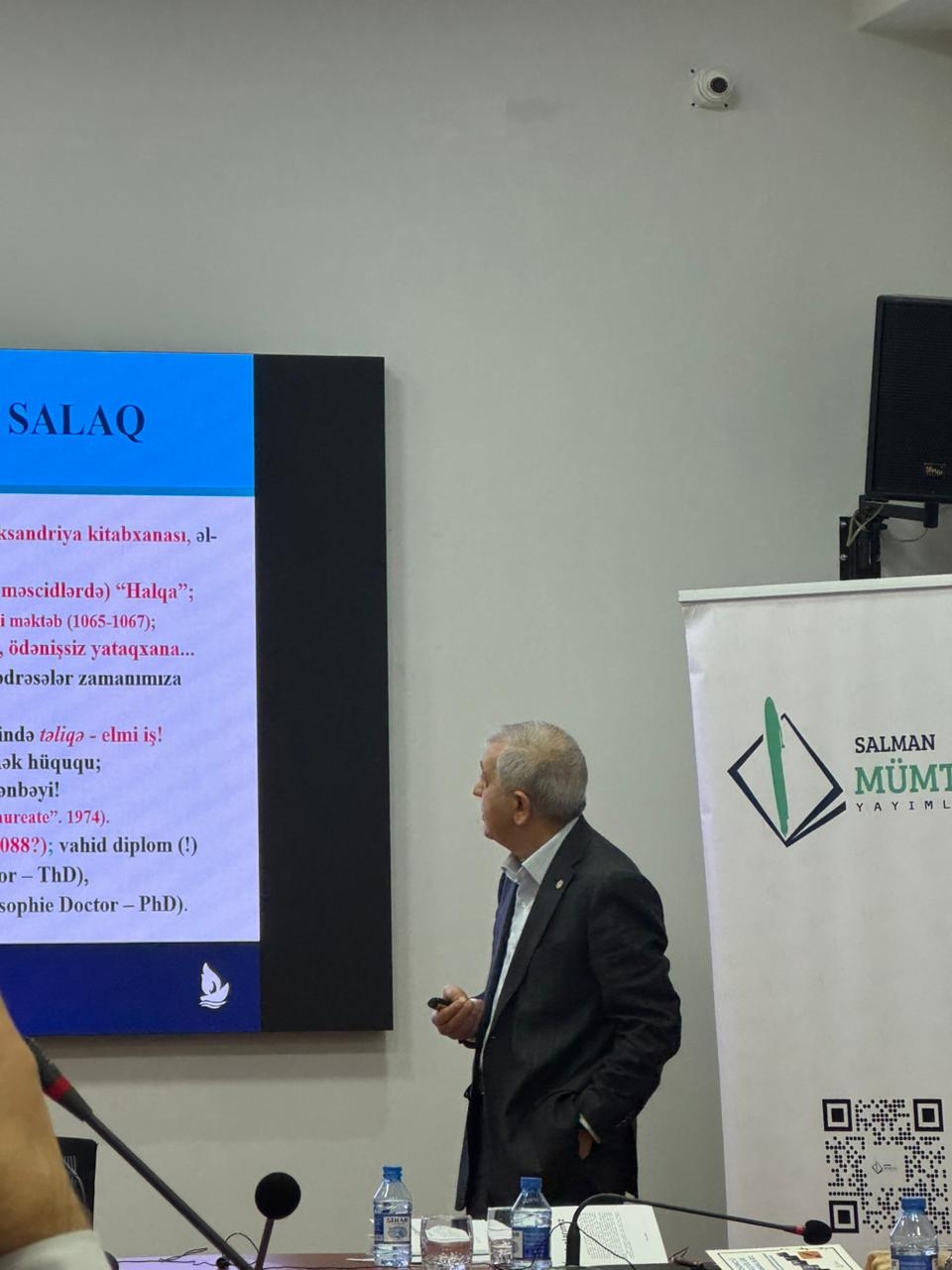
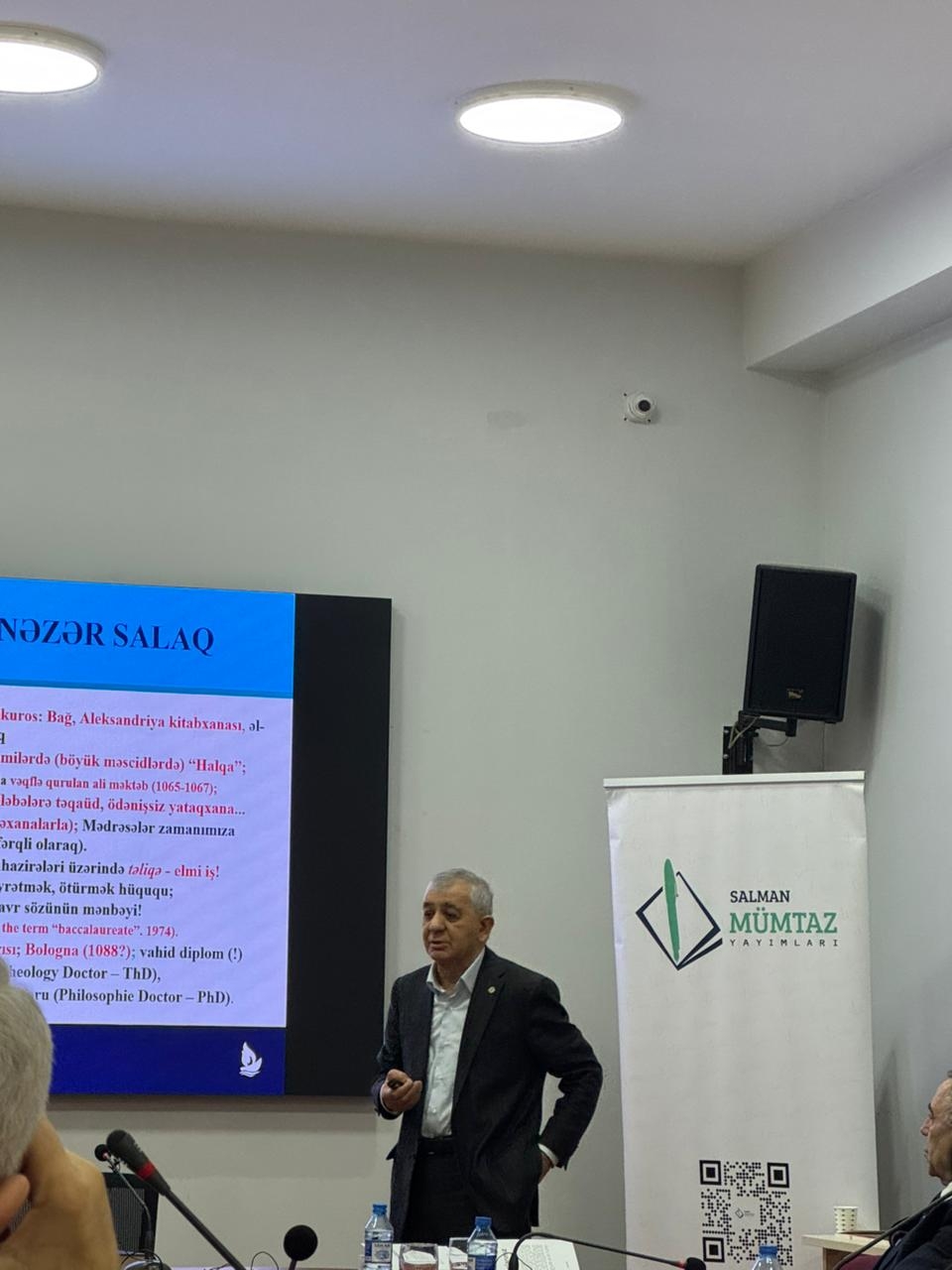
One of the main presentations of the conference was delivered by the founder of Khazar University, Chairman of the Board of Directors and Trustees, Prof. Acad. Hamlet Isakhanli, on the topic "Education in the World: From Ancient Times to the Present." The presentation systematically analyzed the historical development stages of higher education; the role of Plato's Academy and Aristotle's Lyceum, the Library of Alexandria, and in the Islamic world, Bayt al-Hikma and Nizamiyyah madrasas in the formation of higher education was particularly noted.
The presentation provided a detailed explanation of the emergence of universities in Europe, the formation of diploma and academic degree systems, the transformation created in higher education by the Humboldt model developed in Germany, as well as the main characteristics of the US higher education model. H. Isakhanli emphasized the necessity for modern higher education to develop in accordance with global scientific standards while relying on national-cultural values, and in this context drew attention to Khazar University's position in the field of education.
At the conference, Prof. Dr. Nasib Nasibli, Boyukaga Mikayilli, Dr. Aygul Isayeva, Assoc. Prof. Aynur Gazanfarqizi, Yasaman Garagoyunlu, Dr. Liunat Amrahli, Prof. Dr. Adalat Tahirzade, Dr. Oder Gutluer, and Assoc. Prof. Dr. Faig Alakbarli delivered presentations on various topics. The presentations discussed Turkist thought, national ideology, history, culture, and education issues from a scientific perspective.
The conference concluded with active discussions and productive exchange of ideas on national as well as contemporary education issues.



Copyright © Khazar University, 2026

 Facebook
  Instagram
  X
X  LinkedIn
  Telegram
  YouTube