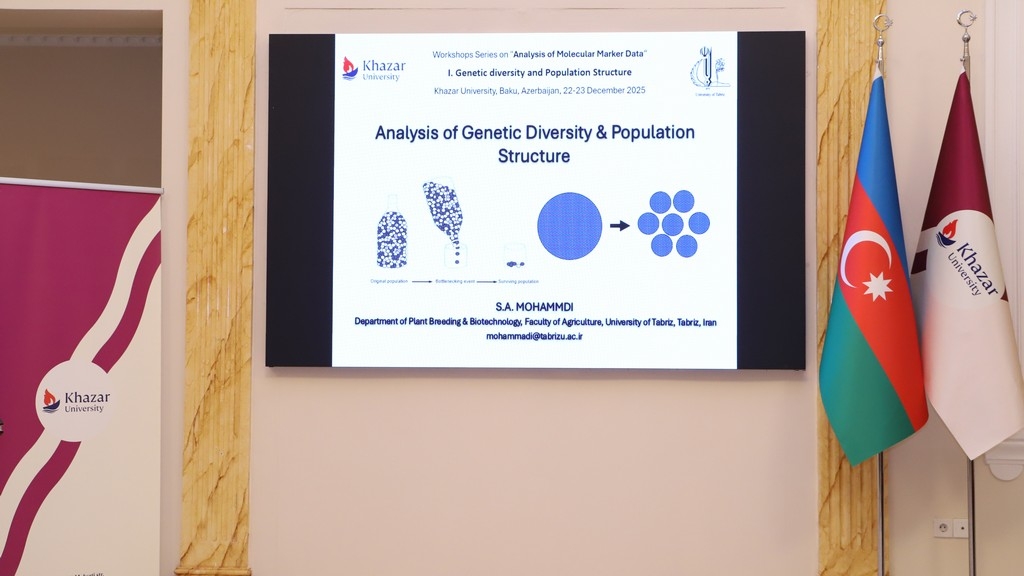
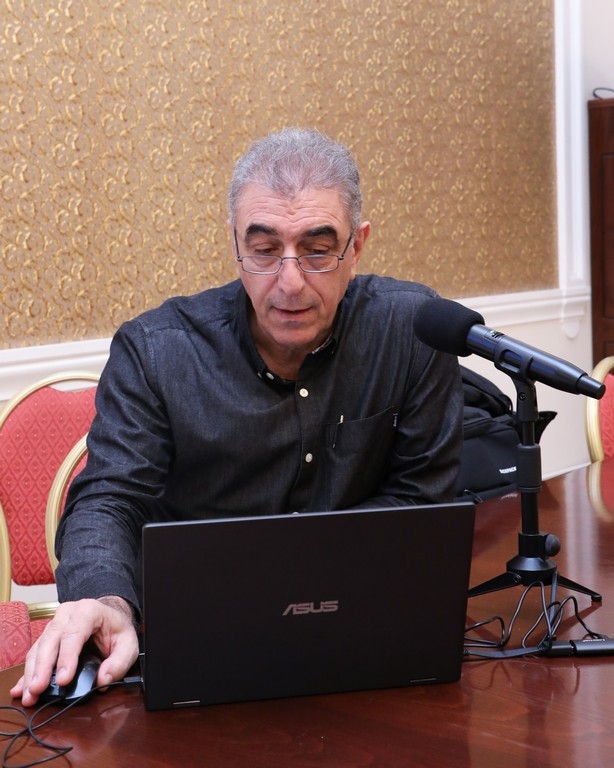
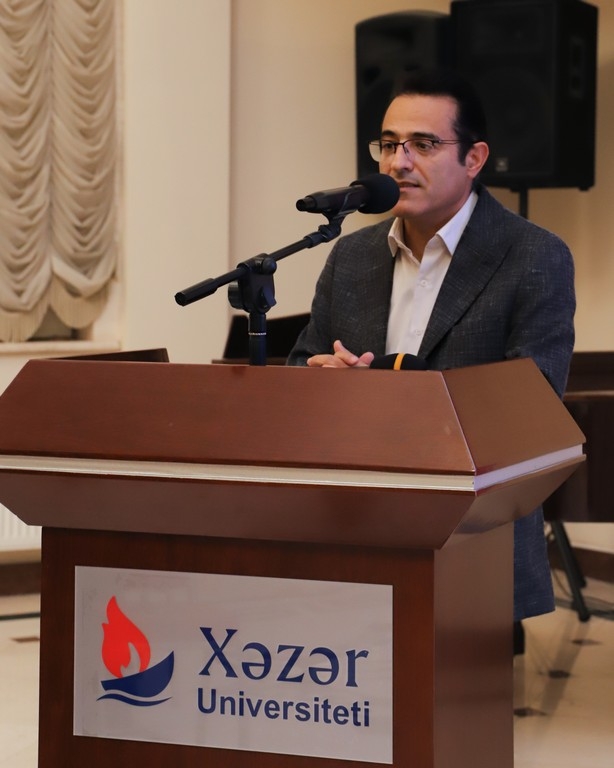
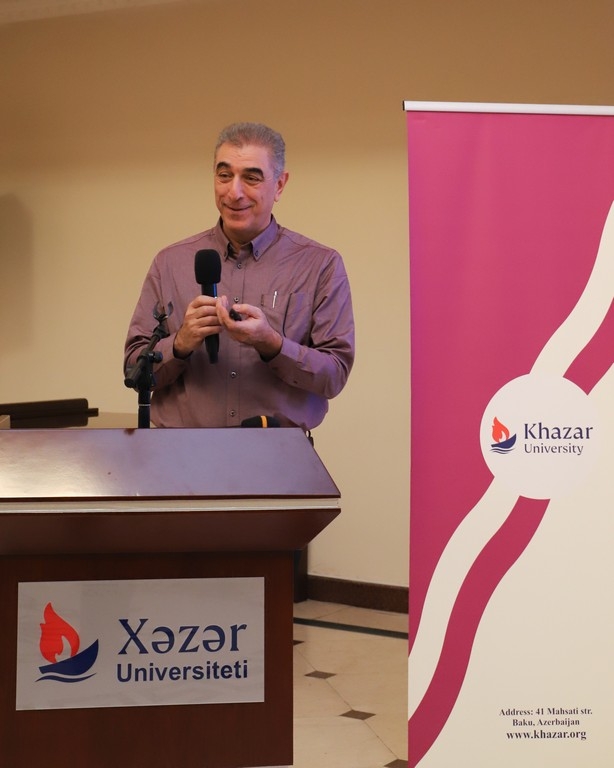
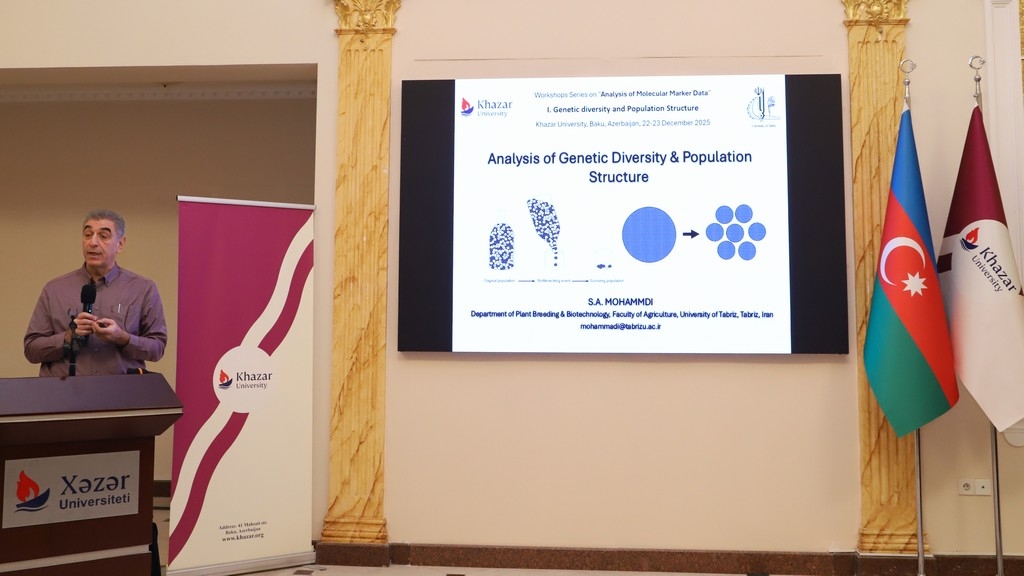
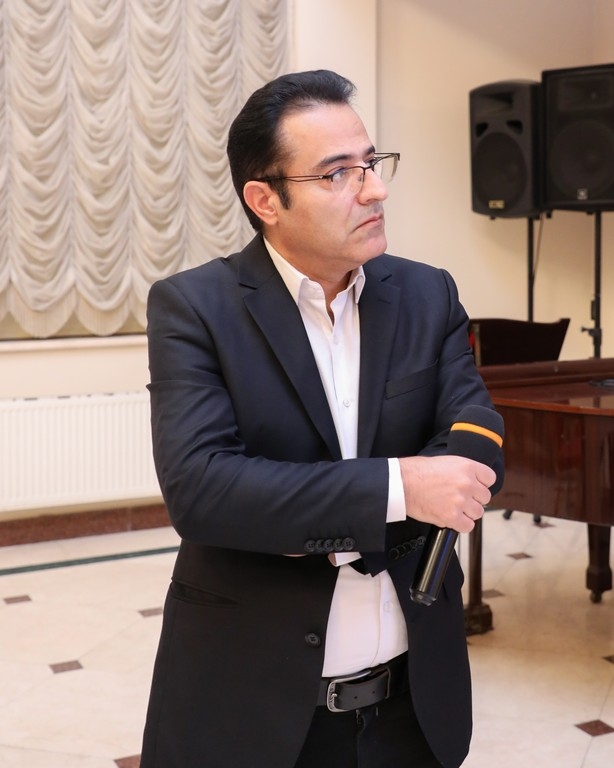
On December 22-23, 2025, a training course titled "Analysis of Molecular Marker Data: Genetic Diversity and Population Structure" was held under the organization of the Department of Life Sciences at Khazar University. The training was conducted by Professor Abolghasem Mohammadi from the Faculty of Agriculture at the University of Tabriz, Iran.
The first day of the training was primarily devoted to theoretical knowledge. Within this framework, detailed lectures were presented on the topics "Analysis of Genetic Diversity and Population Structure," "An Introduction to DNA Marker Technologies," as well as "Assessing Within and Among Populations Genetic Diversity."
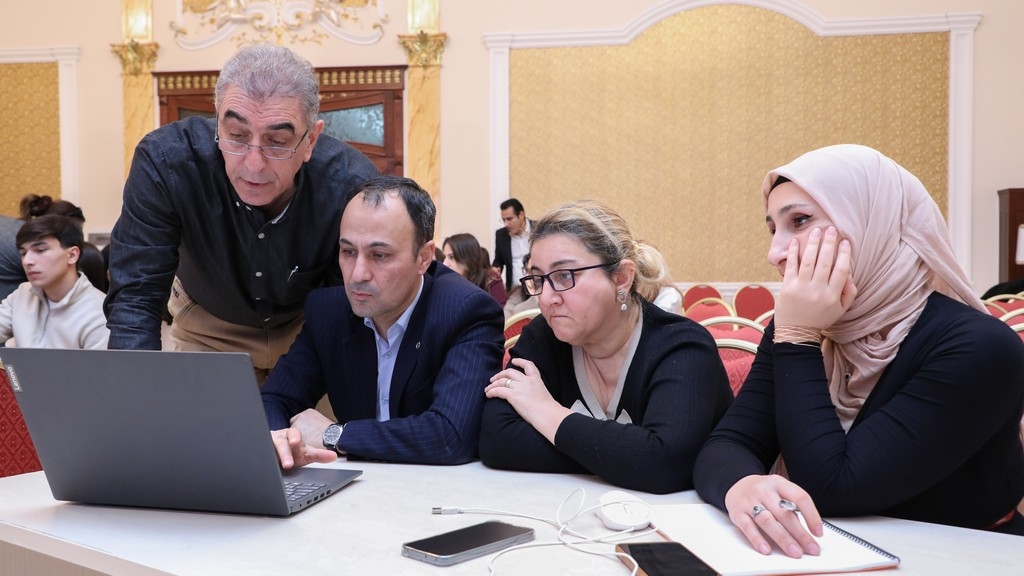
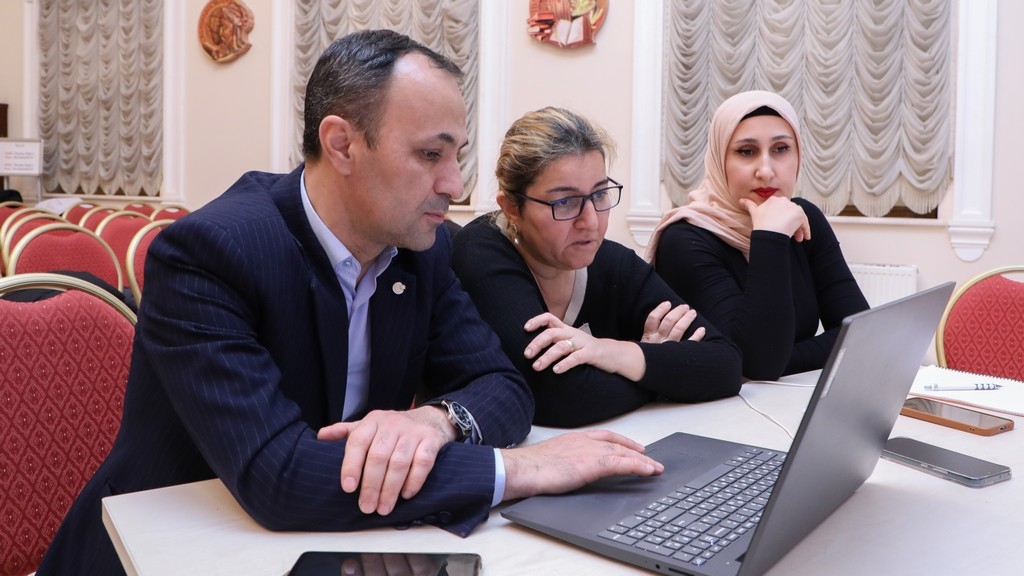
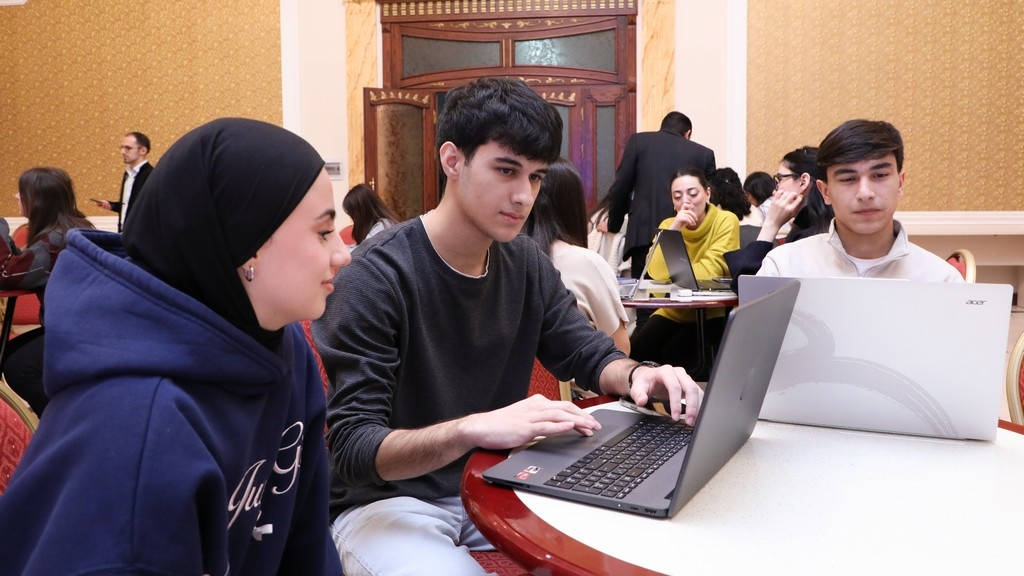
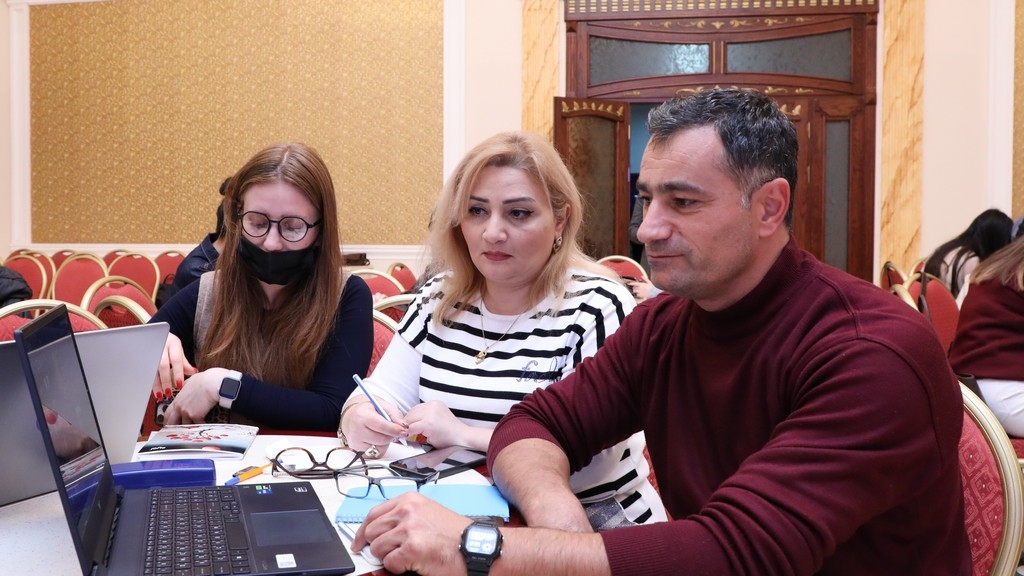
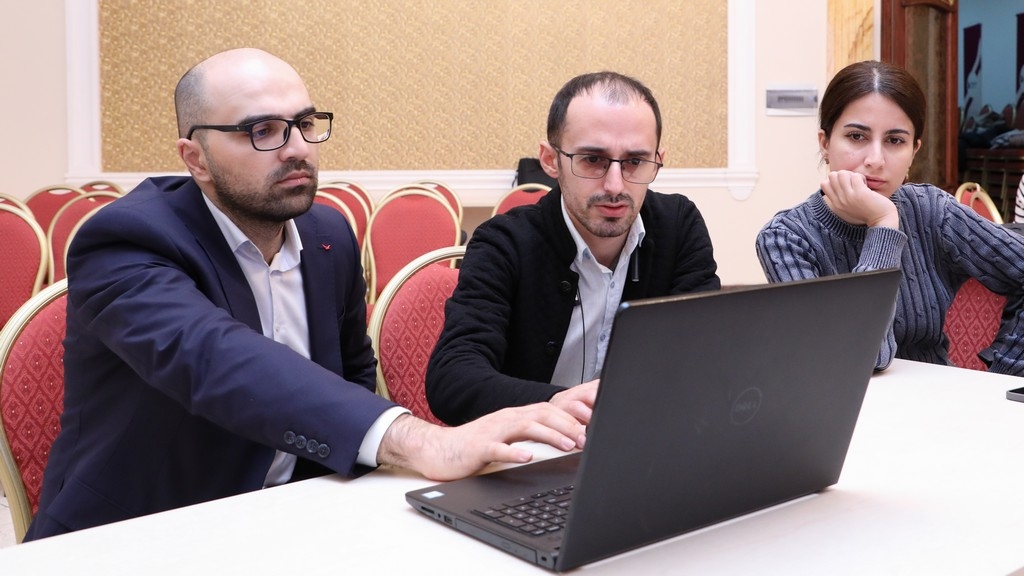
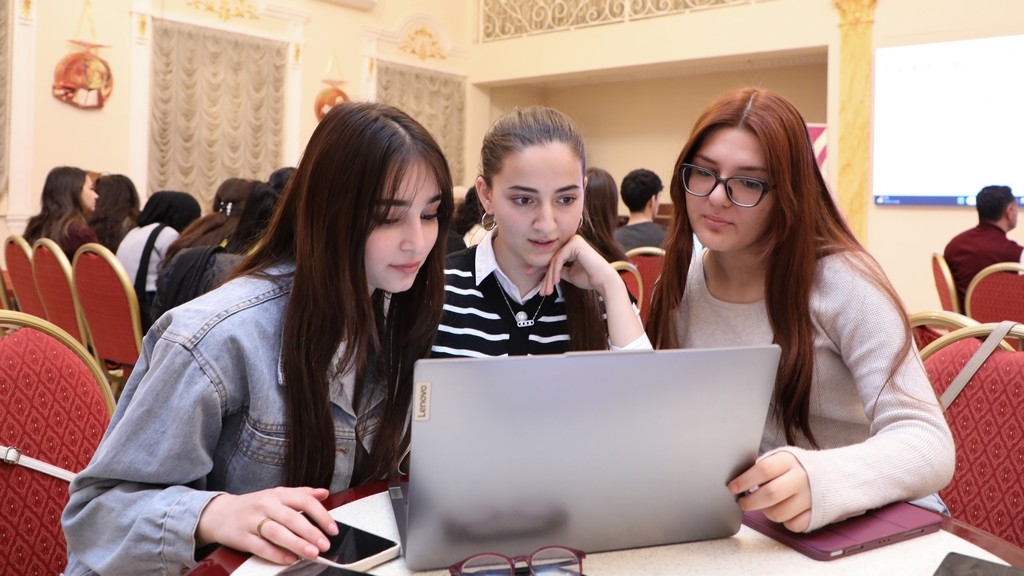
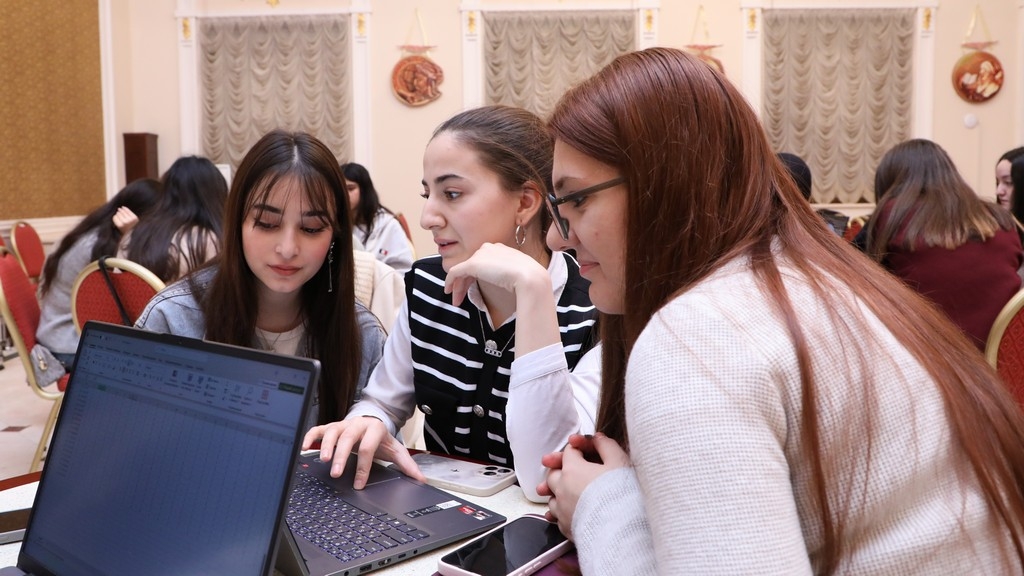
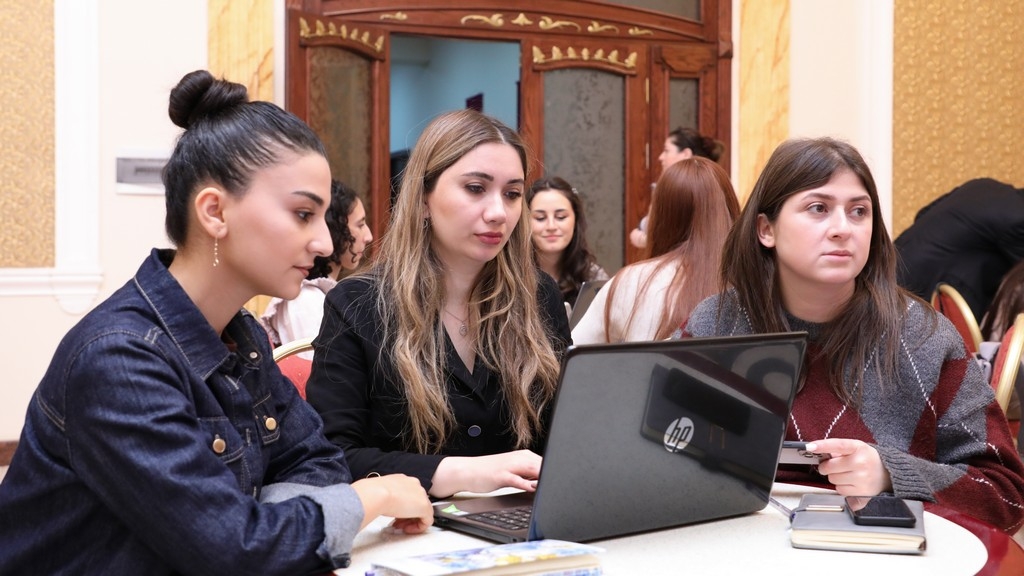
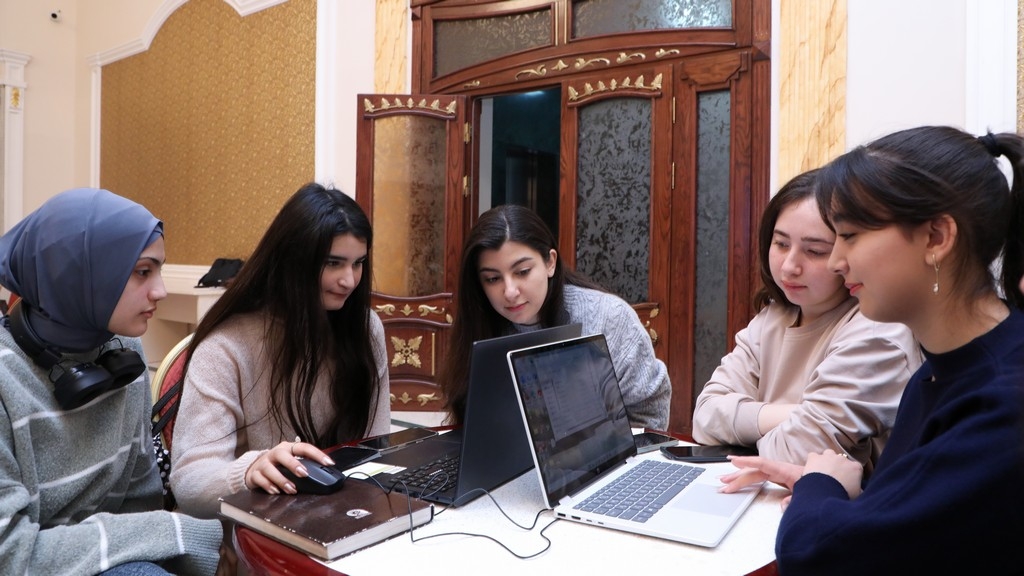
On the second day of the training course, conducting analyses using statistical software based on real molecular marker data and properly interpreting the obtained results were explained in a practical manner. During this stage, participants were visually taught how to use various statistical software programs, including Cervus, MEGA, GenAlEx, and STRUCTURE.
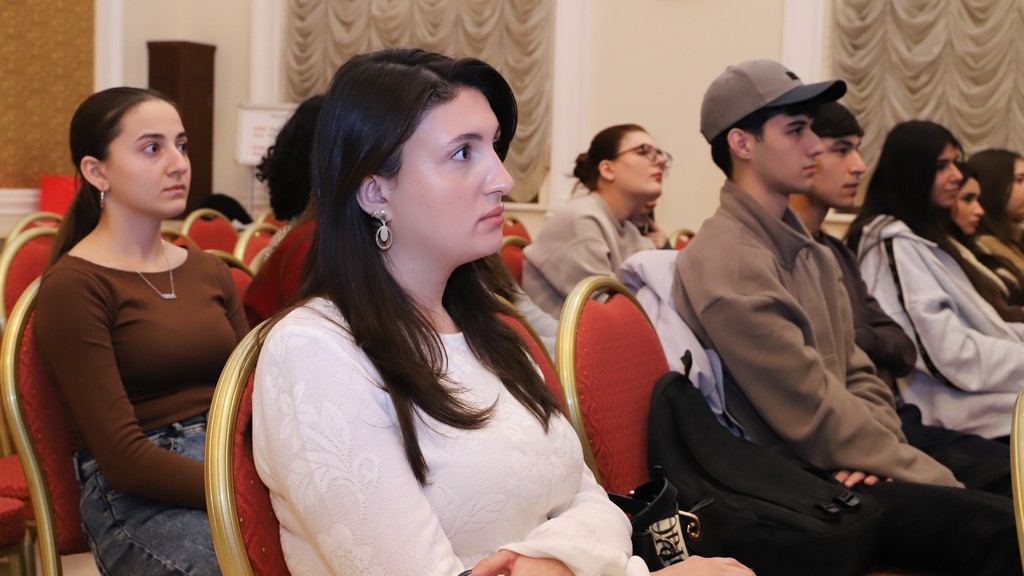
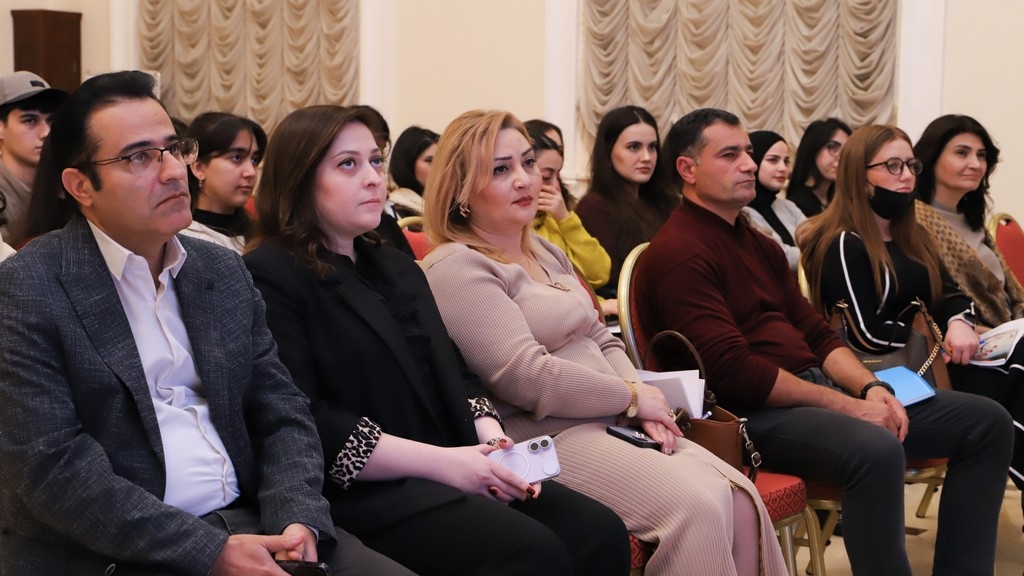
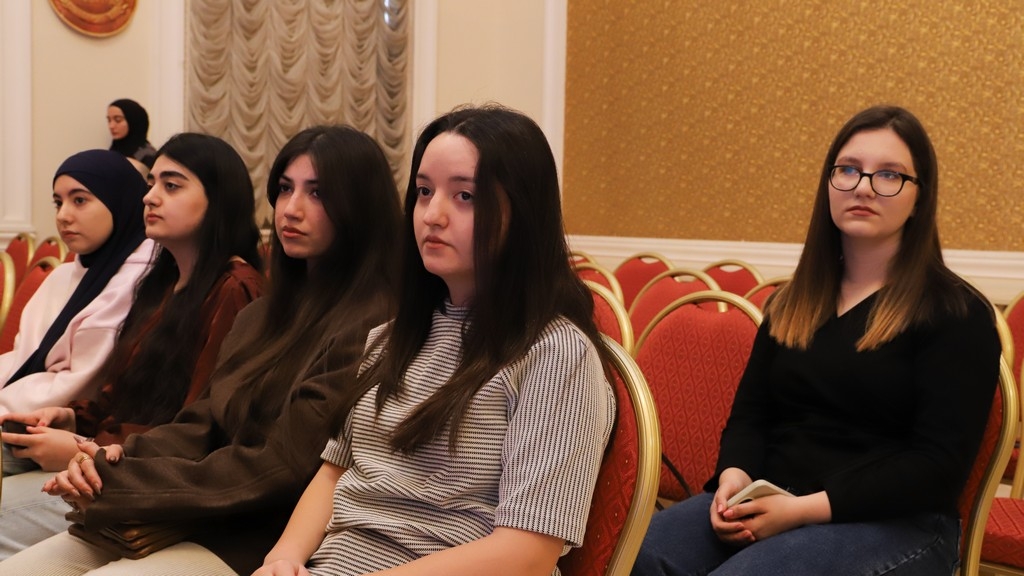
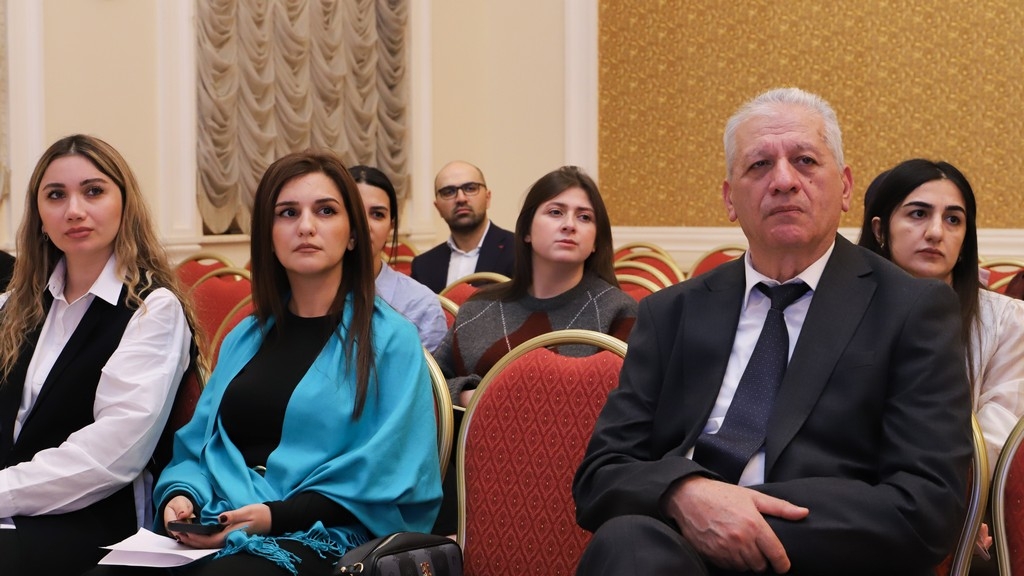
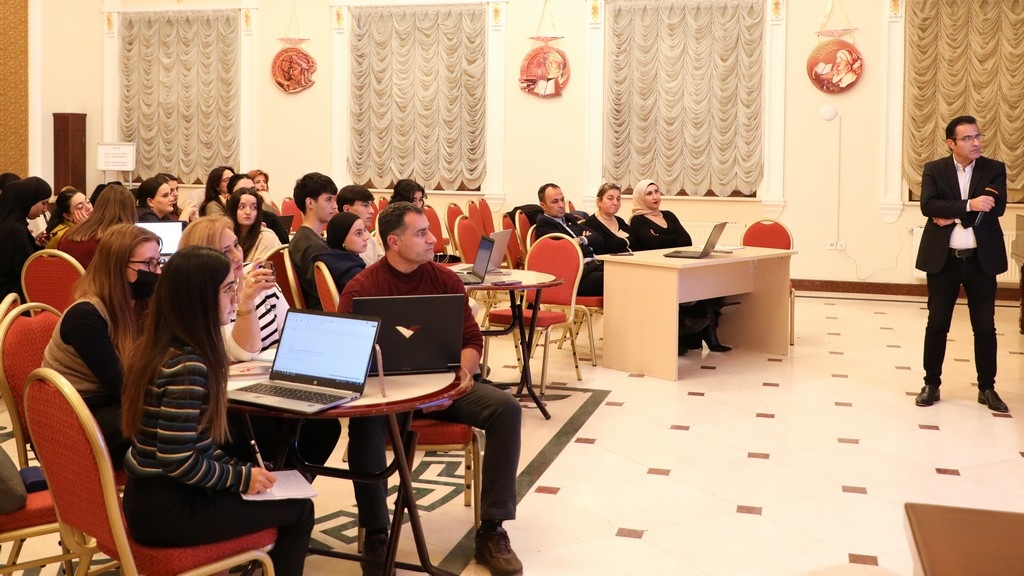
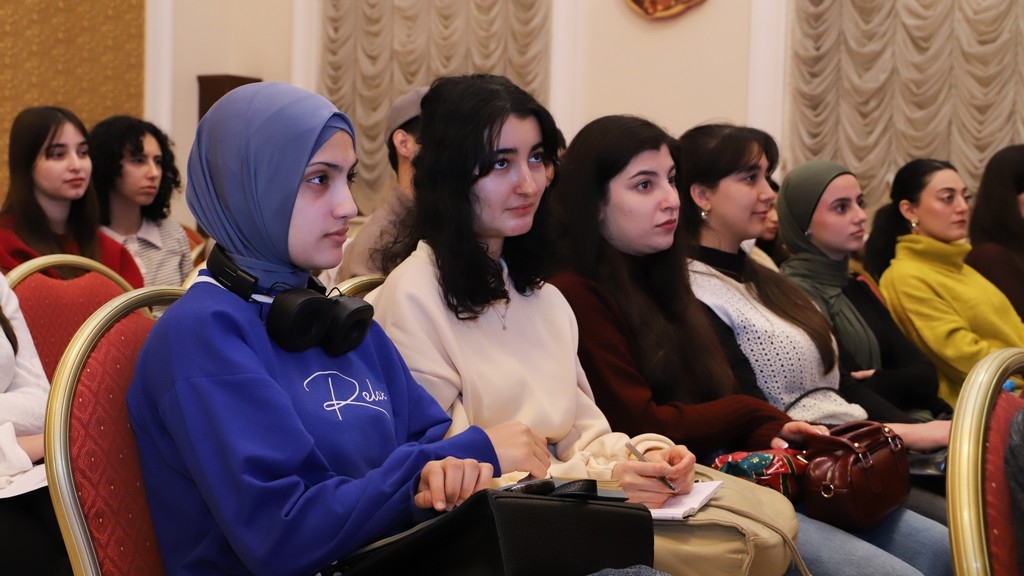
The training course was attended by doctoral and undergraduate students from Khazar University, as well as researchers and students from Baku State University, Western Caspian University, the Institute of Genetic Resources under the Ministry of Science and Education of Azerbaijan, the Research Institute of Crop Husbandry operating under the Ministry of Agriculture, Azerbaijan Medical University, the Research Institute of Viticulture and Wine-making, and the Research Institute of Plant Protection and Technical Crops located in Ganja.
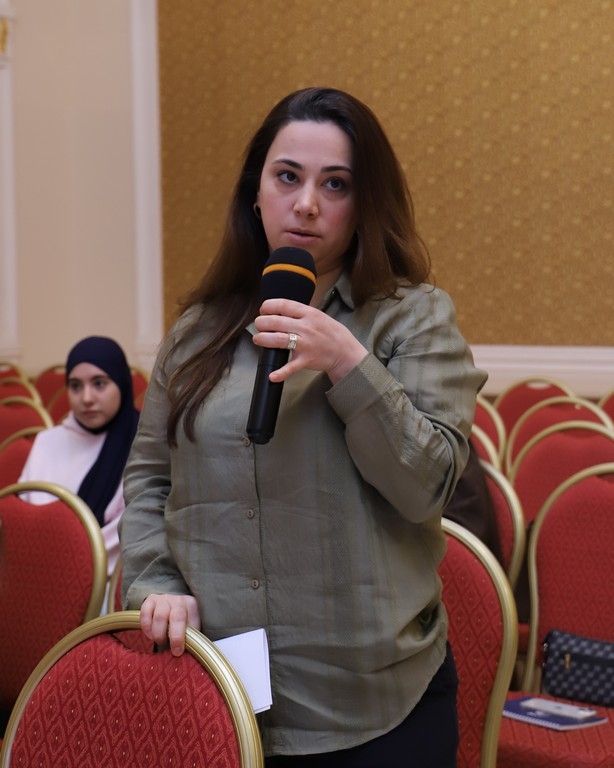
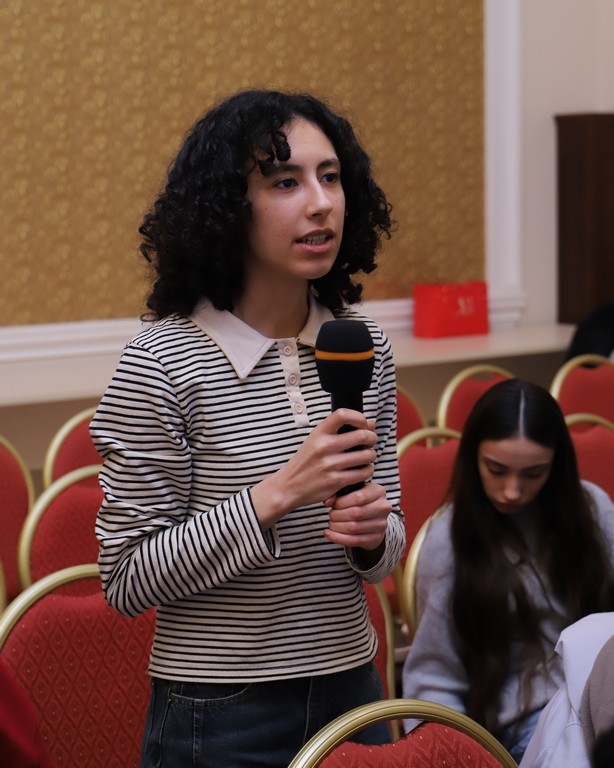
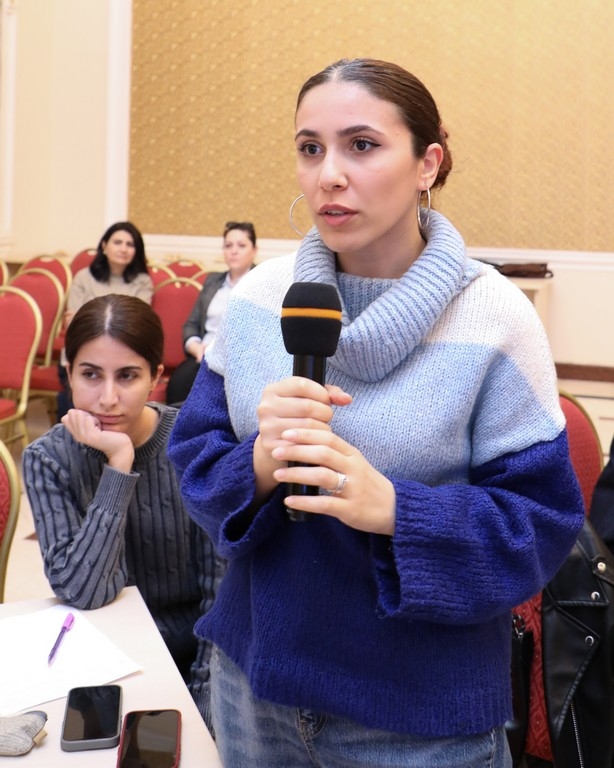
The training course was held in an interactive format with active participation from attendees, and discussions on the subject created opportunities for interesting scientific discourse and knowledge exchange.
Thus, the knowledge and practical experience gained within the framework of the training course, while being effectively applied in the study of biodiversity, breeding programs, and conducting marker-based analyses, also makes a significant contribution to the development of capacity building in this field.


Copyright © Khazar University, 2026

 Facebook
  Instagram
  X
X  LinkedIn
  Telegram
  YouTube