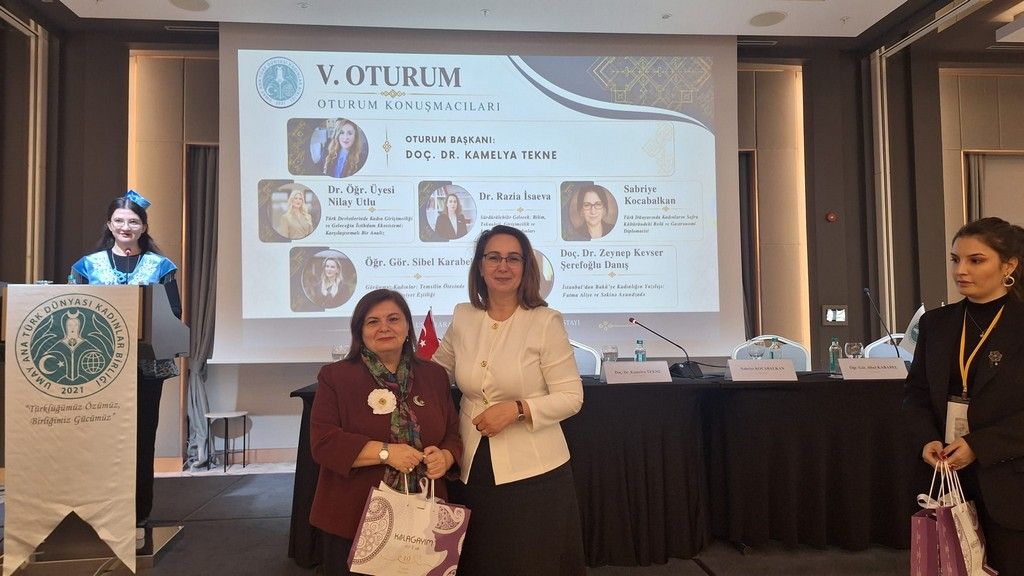
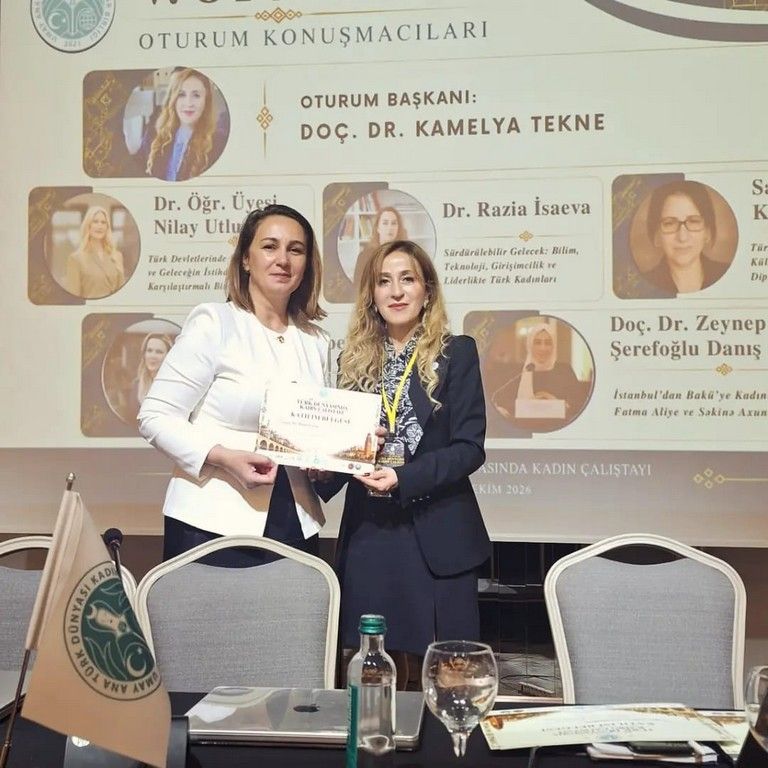
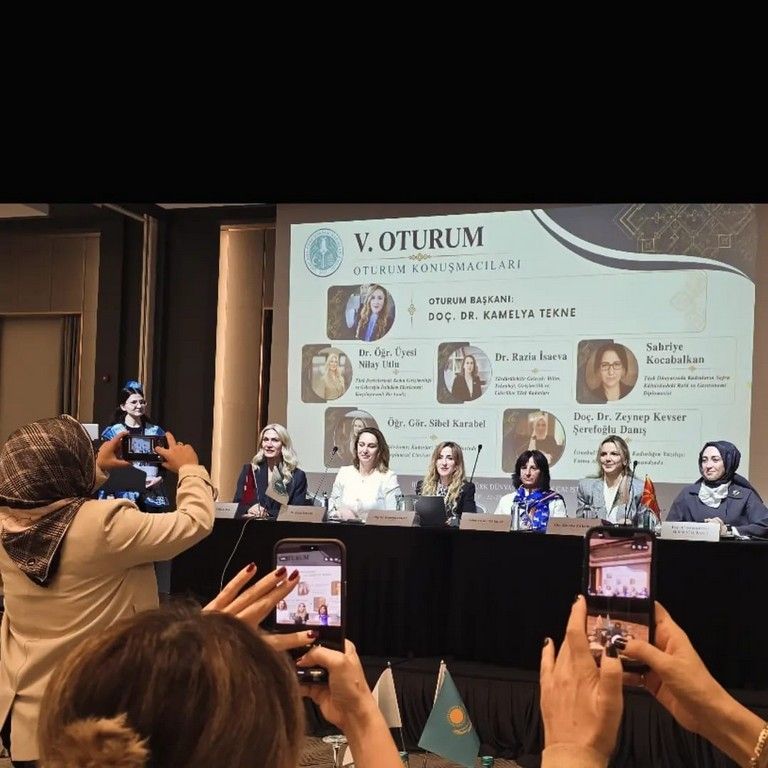
Dr. Razia Isaeva, Rector of Khazar University, participated in the 3rd International Turkic World Women’s Workshop, held on October 22–23, 2026, in Skopje, the capital of North Macedonia, where she delivered an academic presentation.
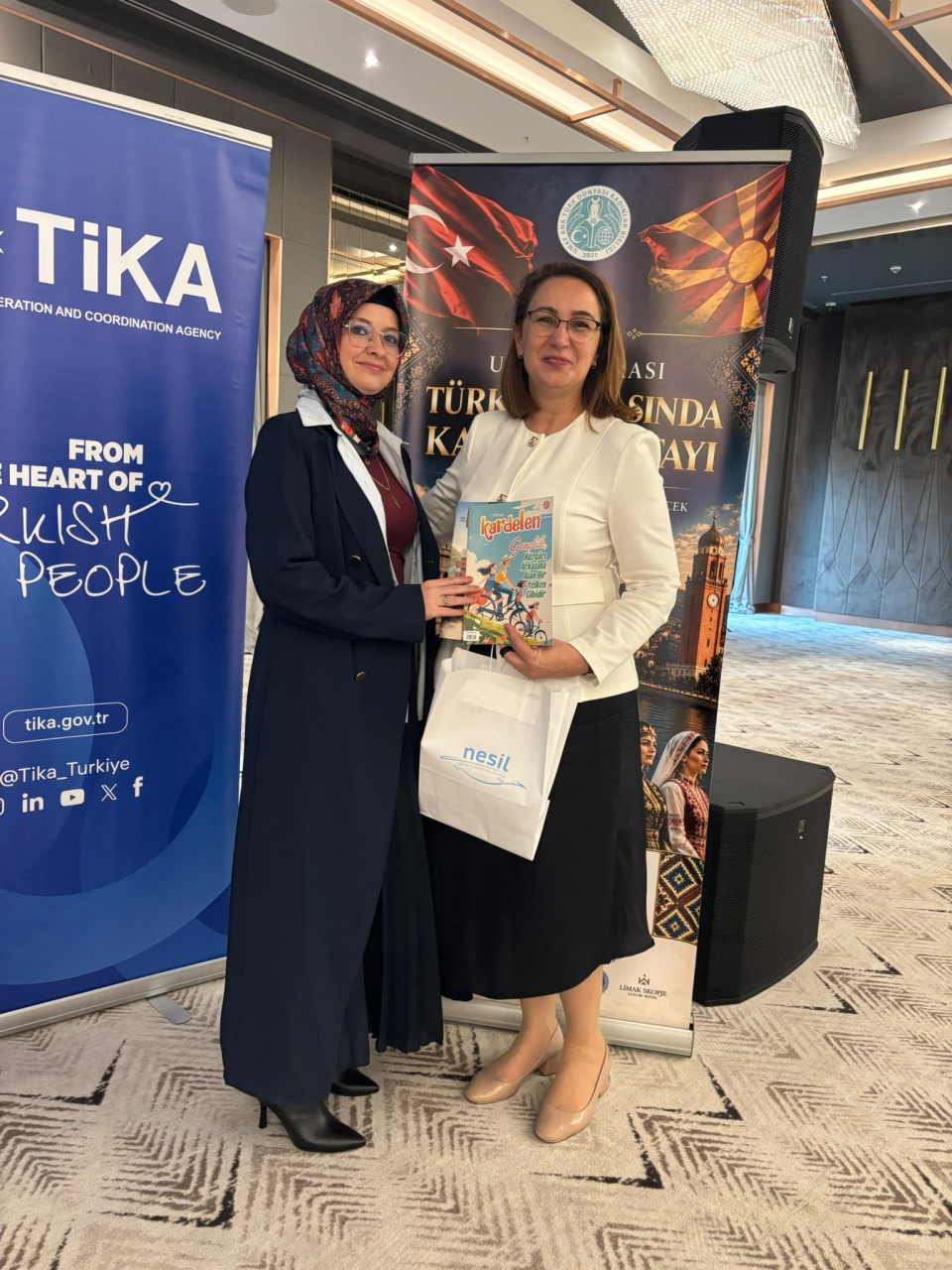
The event, which brought together prominent women from across the Turkic World, was organized by the Umay Ana Turkic World Women’s Union in cooperation with the Ministry of Culture and Tourism of the Republic of Türkiye, TURKSOY, TİKA, YTB, and other partner institutions.
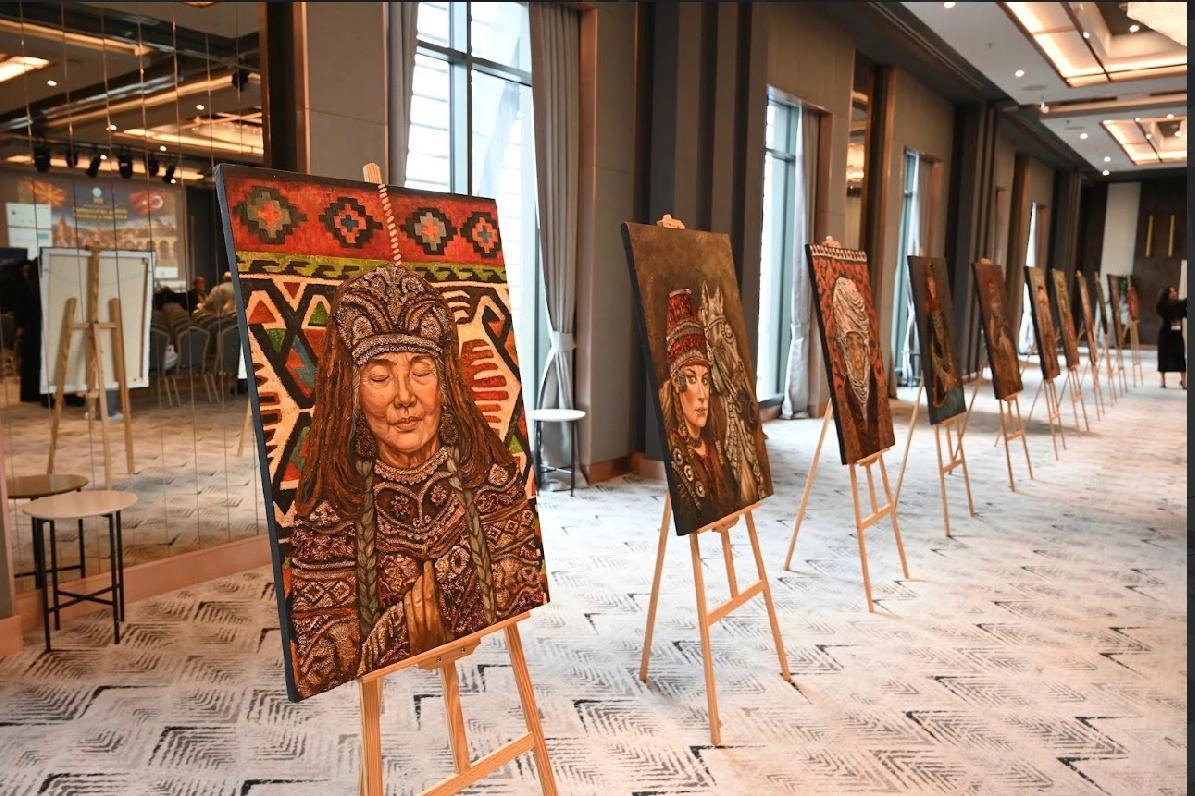
The workshop opened with a special art exhibition organized by TURKSOY on the theme “Women in the Turkic World.” The exhibition used the language of art to portray the significant role of Turkic women throughout history, their contributions to the preservation of cultural heritage, and their place in public life.
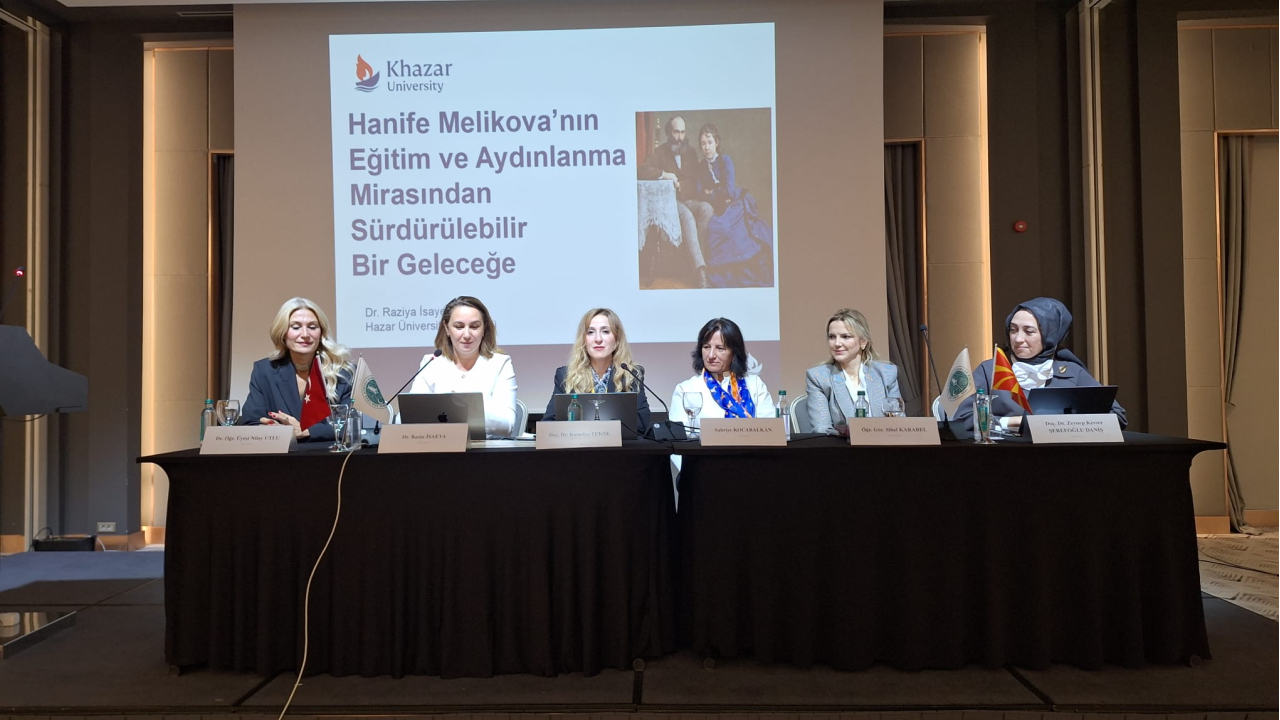
As part of the event, Dr. Razia Isaeva delivered a presentation entitled “From Hanifa Malikova’s Educational and Enlightenment Legacy to a Sustainable Future: Azerbaijani Women in Science, Technology, Entrepreneurship, and Leadership.”
The presentation highlighted the contributions of Azerbaijani women throughout history to education, science, literature, economic activity, and public leadership, as well as the importance of passing this legacy on to future generations. The presentation also explored historical examples, including Sara Khatun’s diplomatic activities, Khurshidbanu Natavan’s literary and public engagement, Hamida Javanshir’s initiatives in education and production, and Izzat Orujova’s work in science and technology.
The central focus of the presentation was the educational and enlightenment legacy of Hanifa Malikova, an educator and advocate of enlightenment. The significance of her educational activities, school leadership, contributions to girls’ education, and memoirs was emphasized in terms of the role Azerbaijani women have played in public and intellectual life. Recognition of women’s work, expanding professional development opportunities, and strengthening women’s roles in decision-making processes were presented as key priorities for a sustainable future.
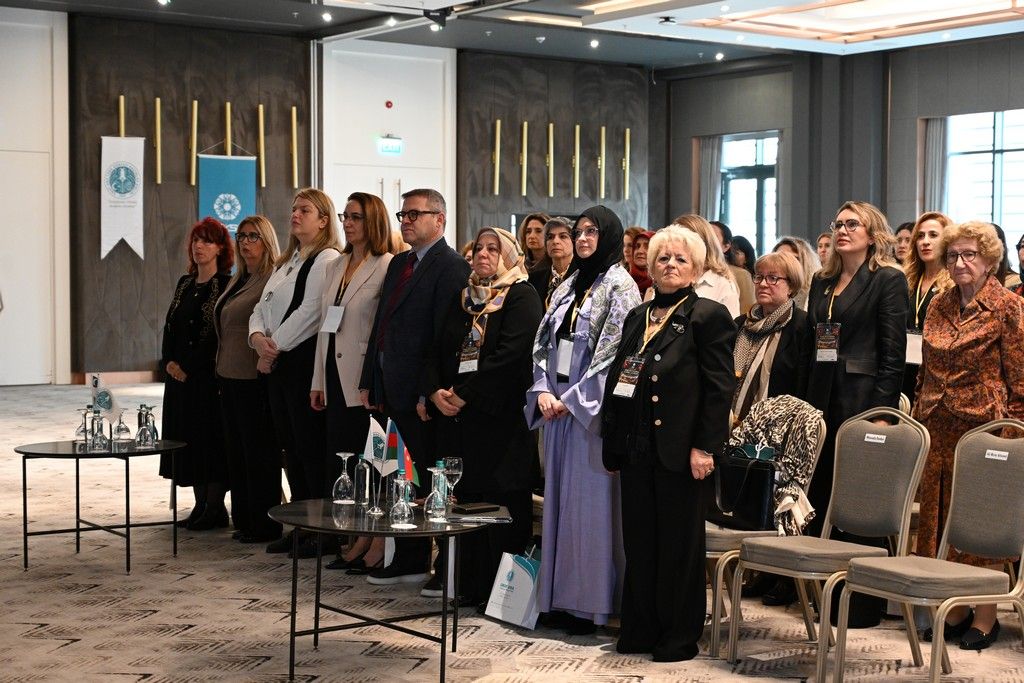
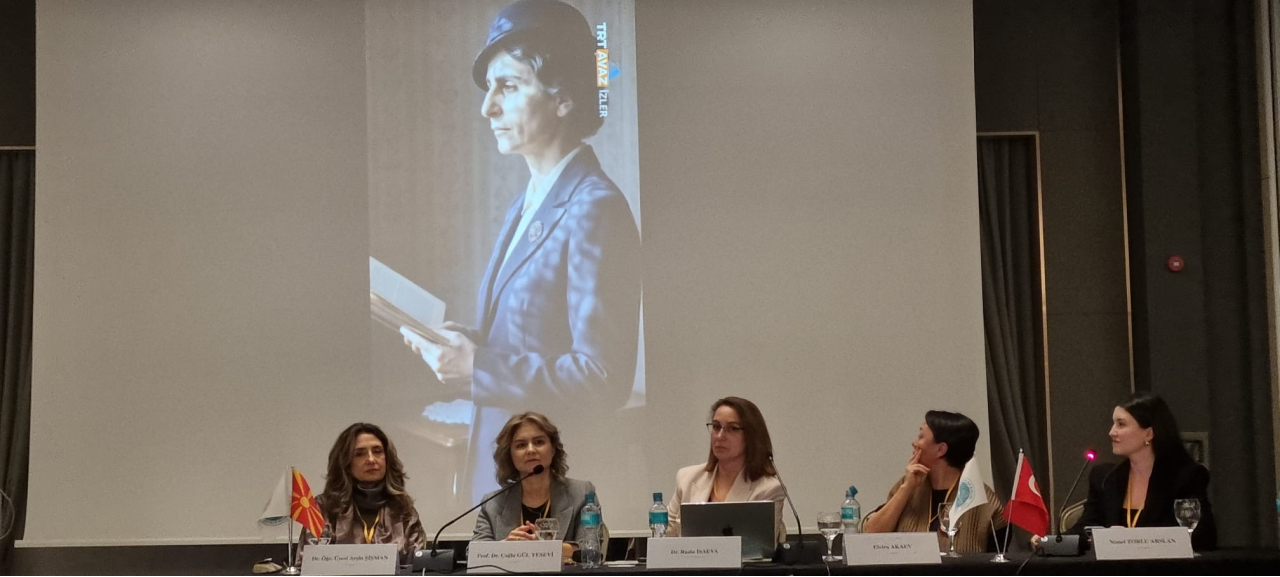
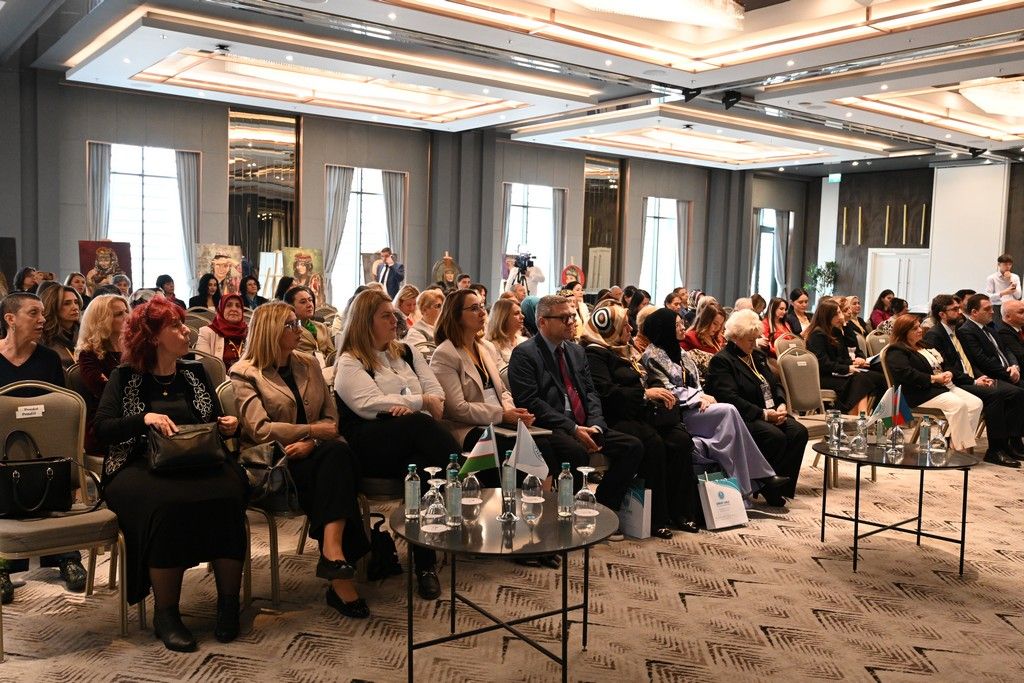
The two-day workshop served as an important platform for discussing the role of women in the Turkic World in science, culture, the arts, education, and public life, as well as the preservation of shared cultural values and their transmission to future generations. Academics, researchers, and representatives of civil society organizations from various countries attended the event.


Copyright © Khazar University, 2026
