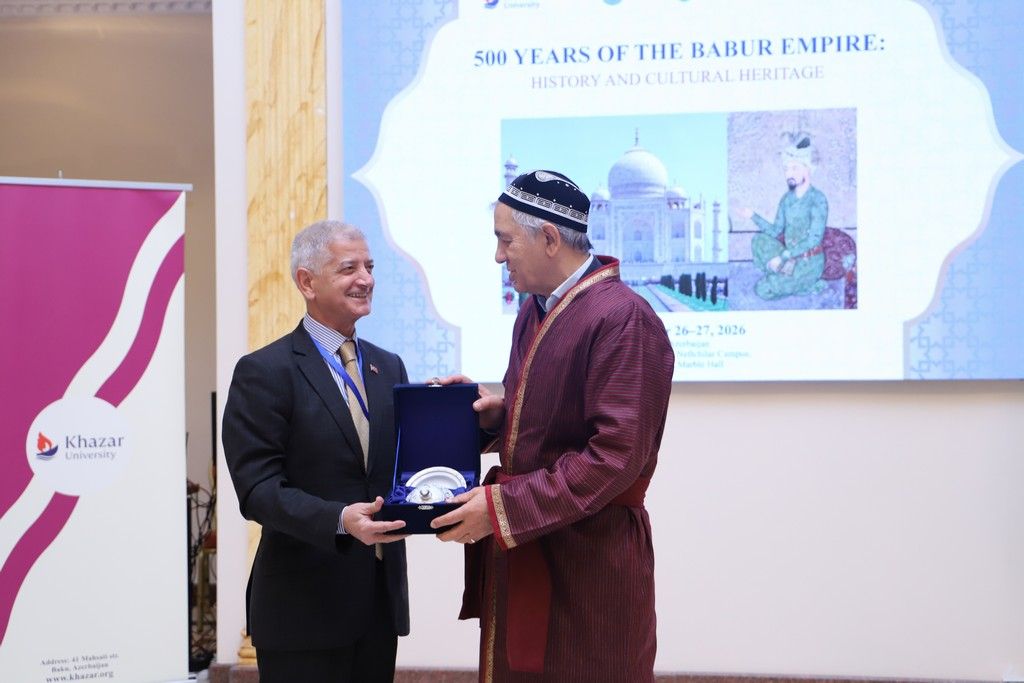
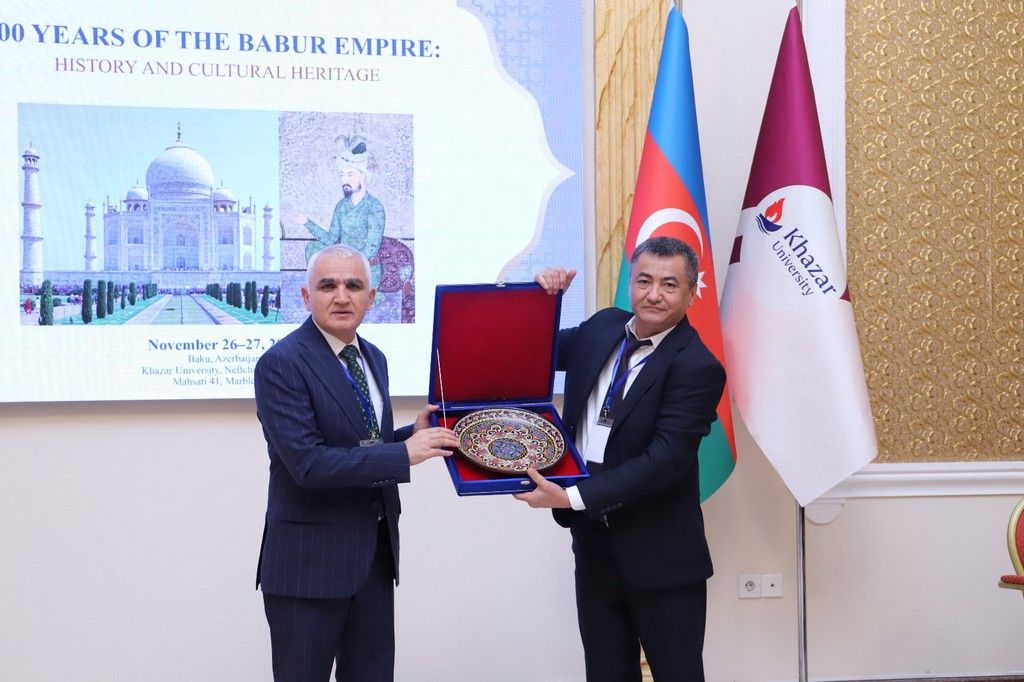
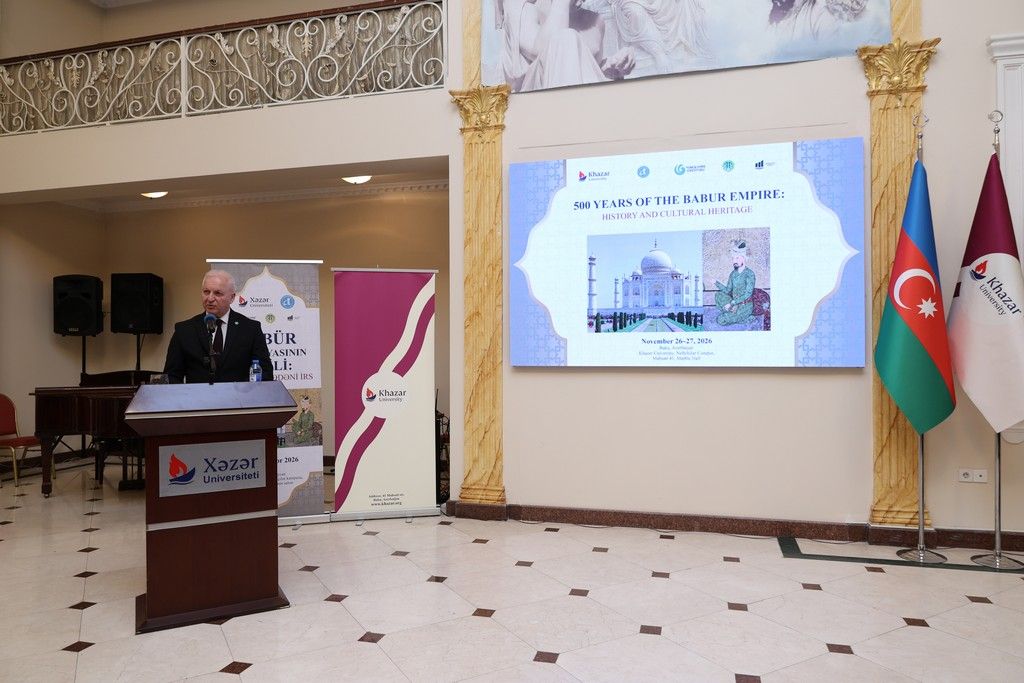
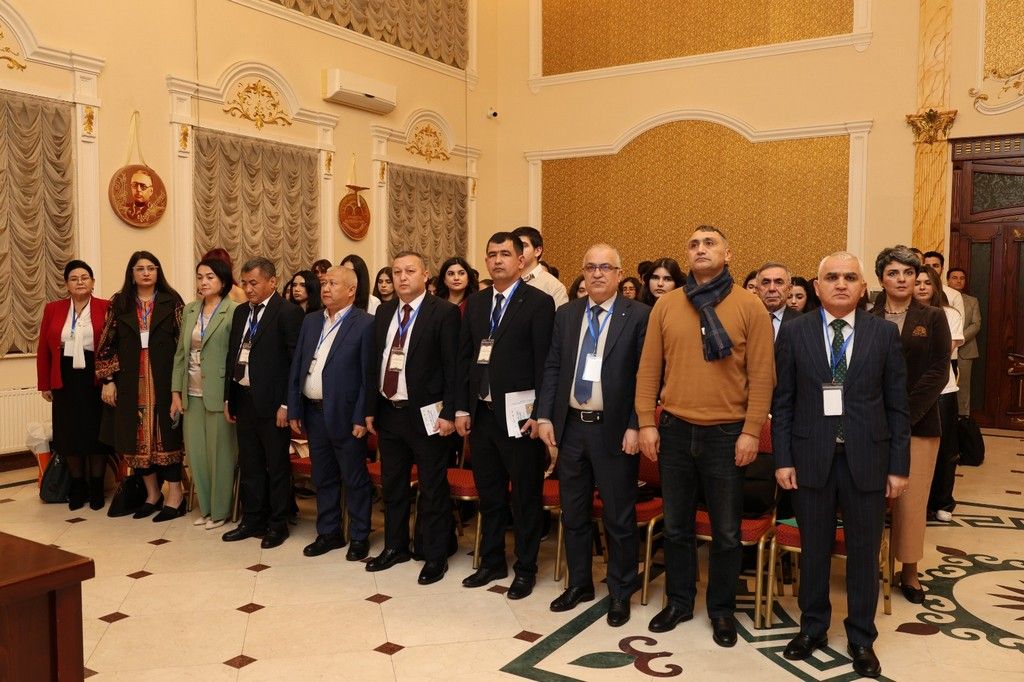
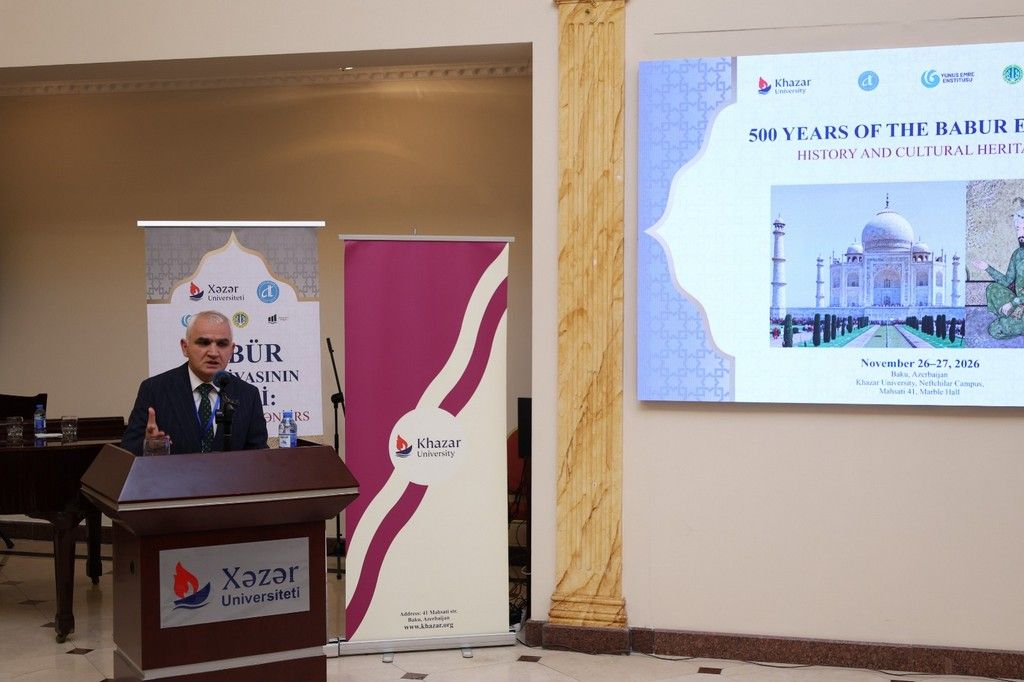
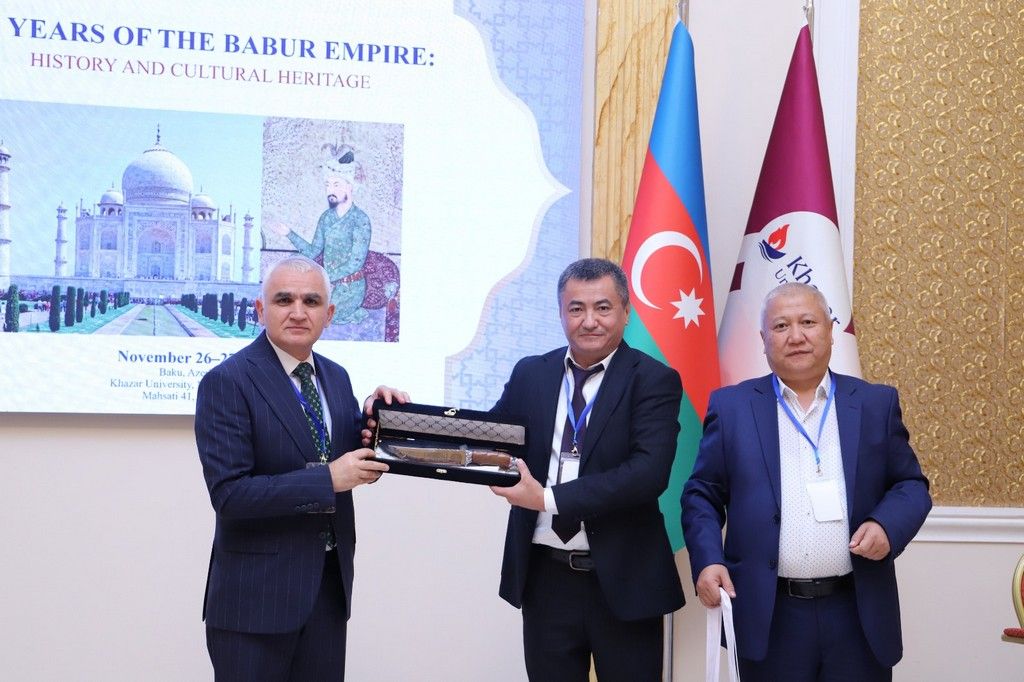
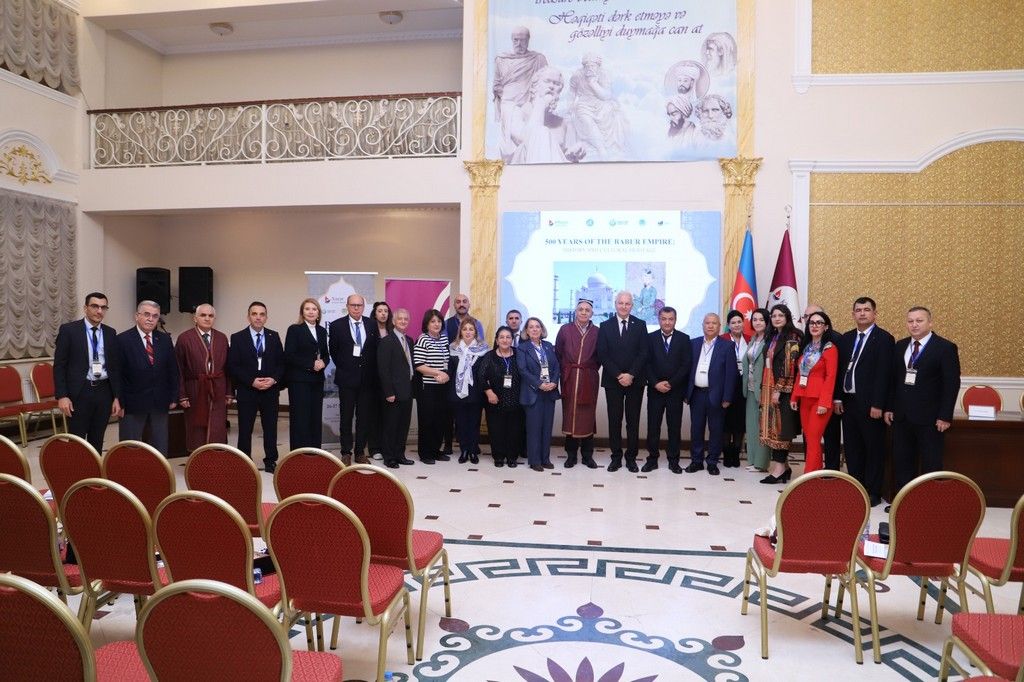
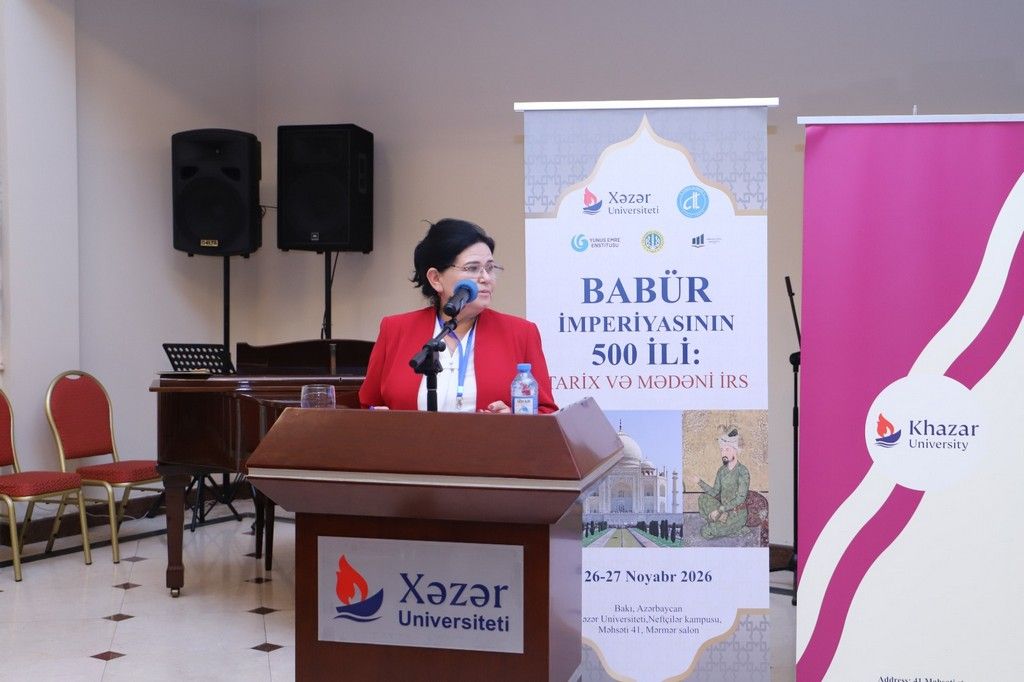
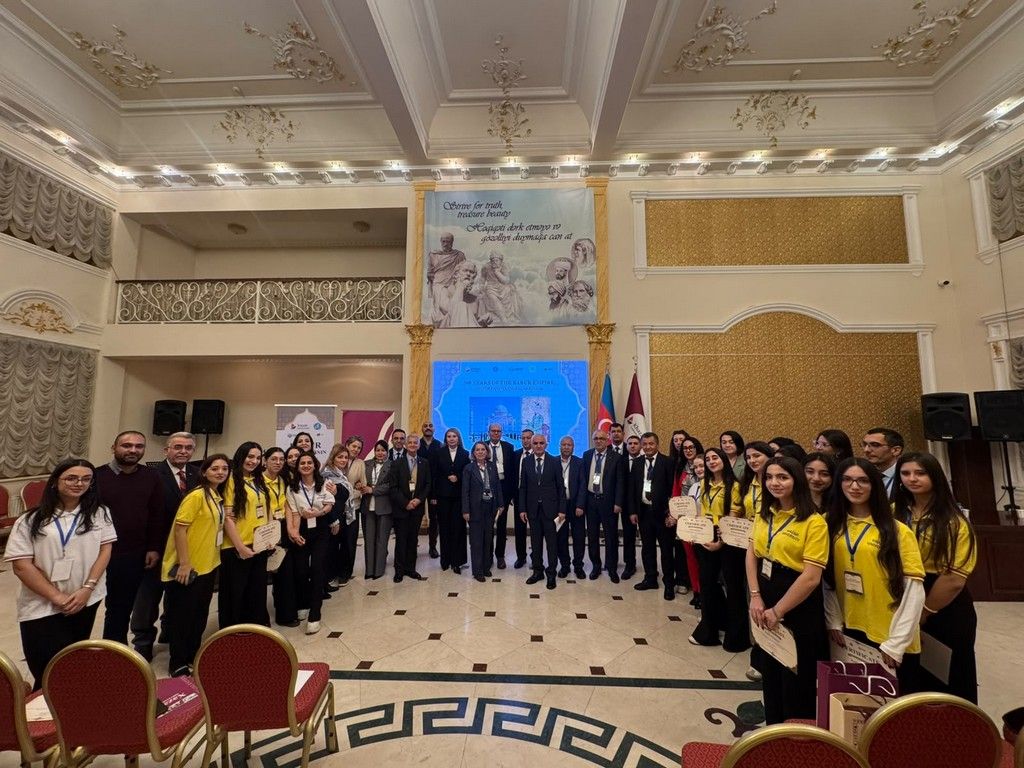
An international scientific conference dedicated to the 500th anniversary of the Mughal Empire, which is of great importance for Azerbaijani and general Turkic history and culture, was held at Khazar University on November 26–27, 2026.
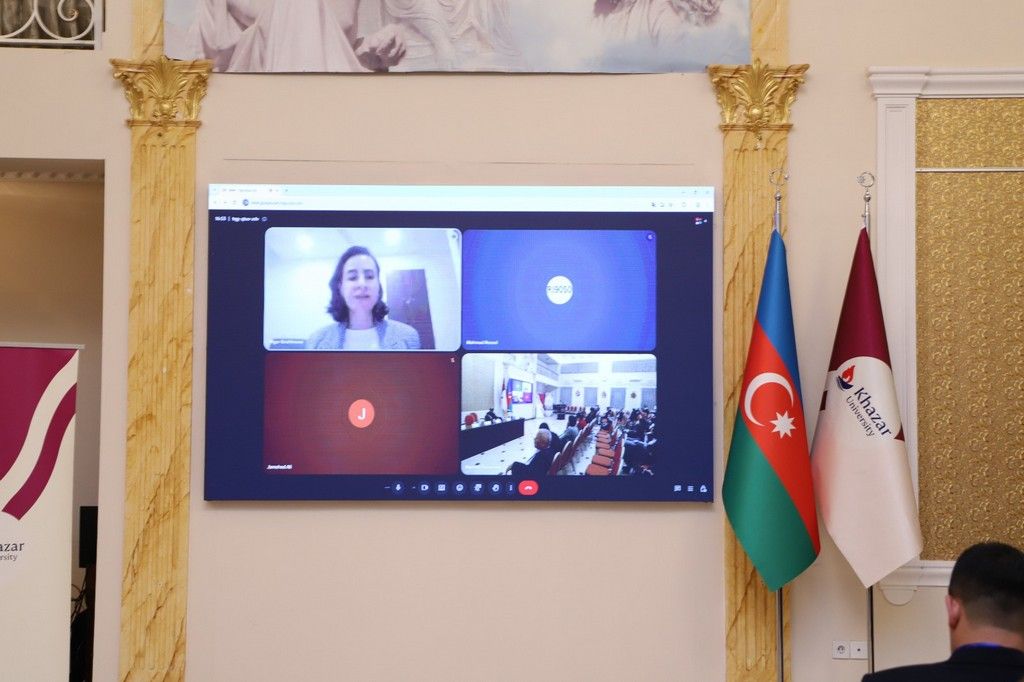
At the conference, attended by renowned scholars and Babur specialists from various countries, scholars from a number of countries, led by Kazakhstan, Kyrgyzstan, Uzbekistan, Türkiye, and Pakistan, presented their research. Within the framework of the conference, a number of engaging presentations were heard on the place and role of the Mughal Empire in Turkic-Islamic history, the formation and development of the Turkic cultural presence in India, the empire's political and administrative traditions, and the participation of Azerbaijani Turks in the political, military, and cultural life of the Mughal state.
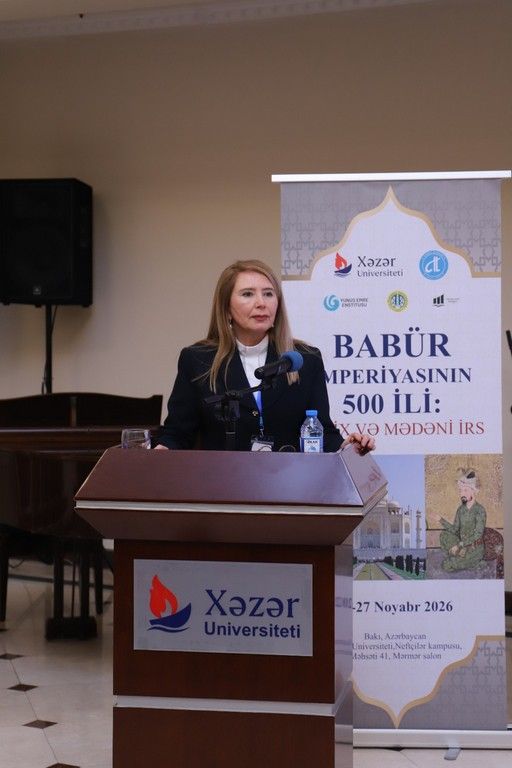
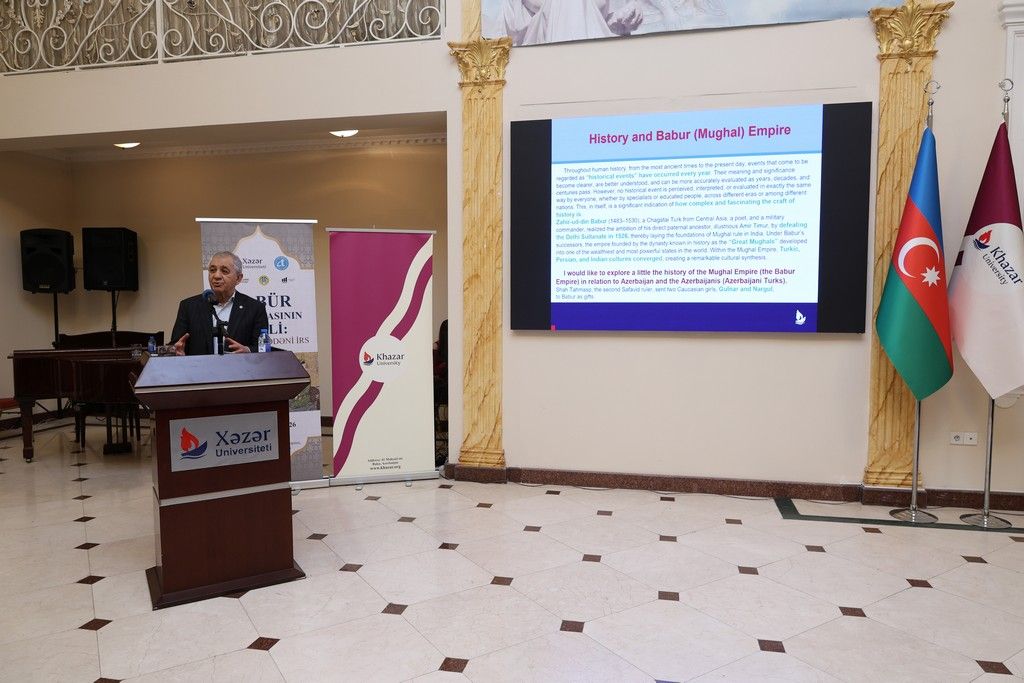
At the opening ceremony of the conference, organized by Khazar University's Department of History and Archaeology, Prof. Acad. Hamlet Isakhanli, founder of the university and Chairman of the Board of Directors and Trustees, delivered a wide-ranging speech. He drew attention to important points regarding the historical features of Mughal culture, the Mughals' ties with the Safavids and Azerbaijan, the empire's administrative traditions, and the role of figures of Azerbaijani origin in the political and cultural life of the Mughal state.
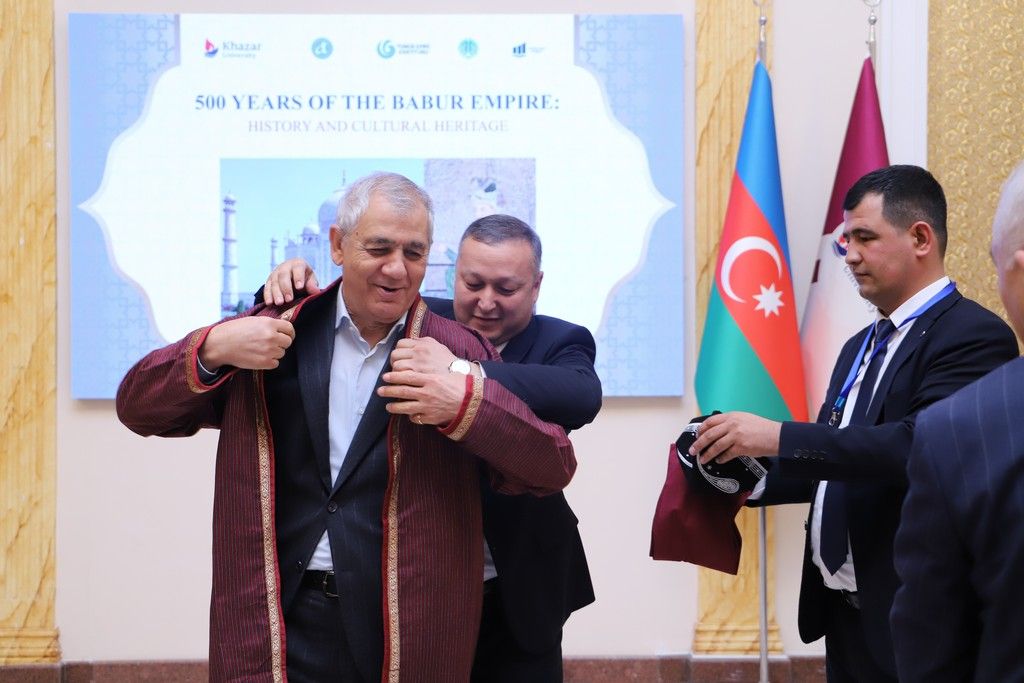
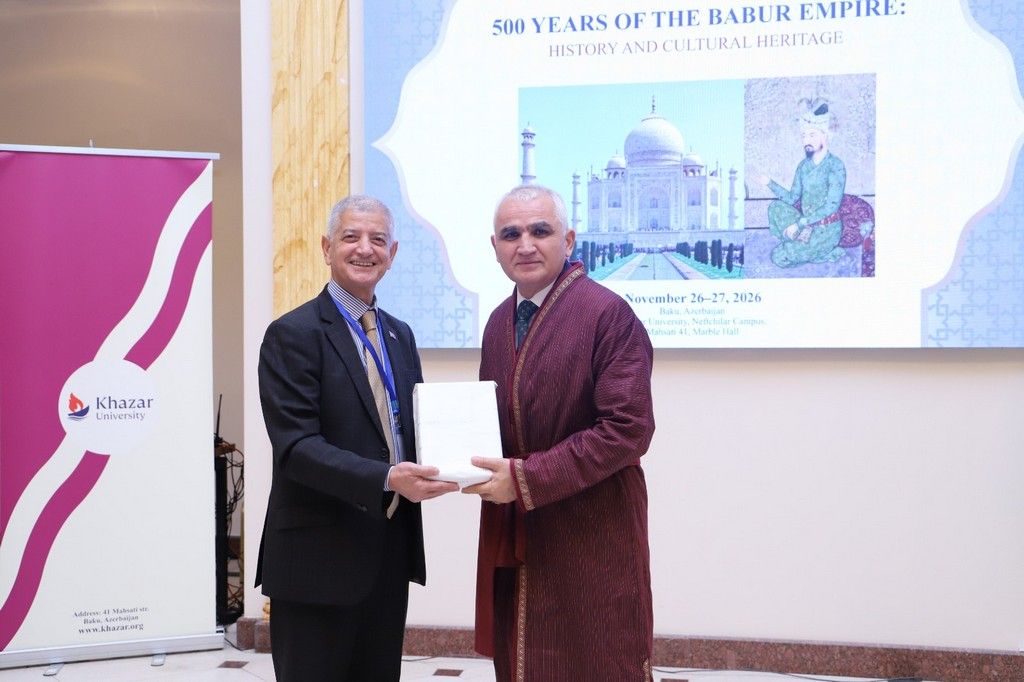
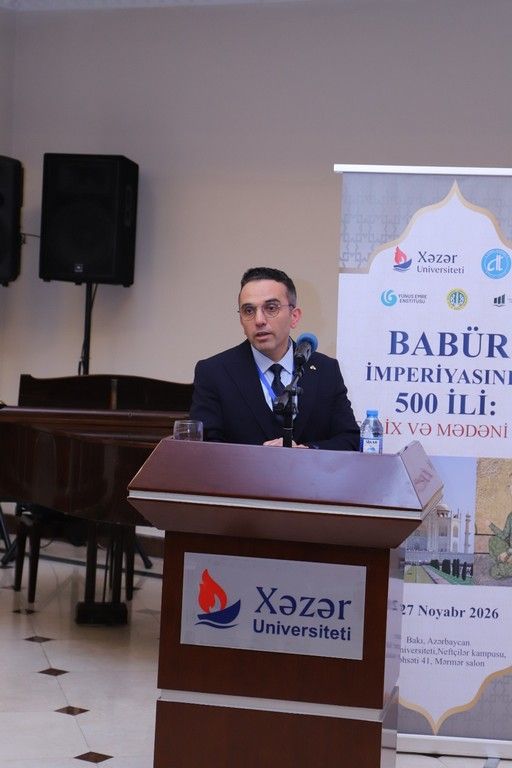
Professor Shahin Mustafayev, President of the International Turkic Academy, then spoke, emphasizing that Mughal history is an inseparable and important part of Turkic-Islamic civilization. He noted that studying the history of the Mughal Empire is of particular importance not only for the history of India and Central Asia, but also for examining Safavid-Ottoman relations, the Shaybanid state, and the political and diplomatic ties of the Turkic world as a whole.
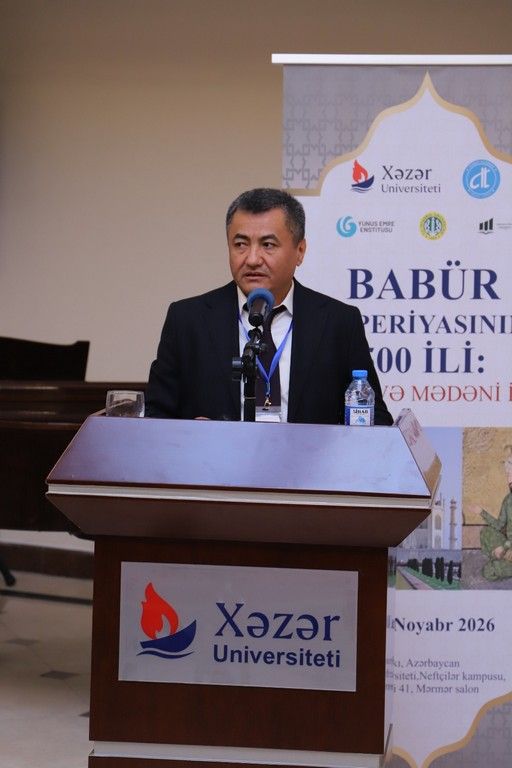
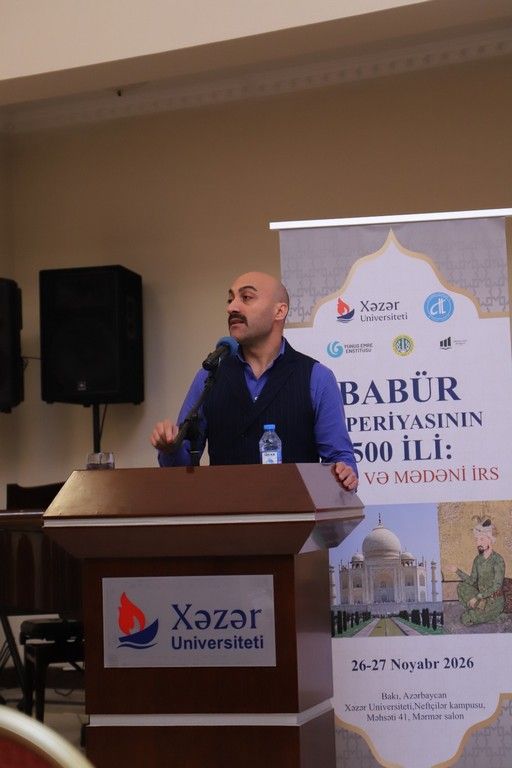
Telman Nusratoglu, Associate Professor and Head of Khazar University's Department of History and Archaeology, assessed the Mughals' exceptional place in general Turkic history and culture from a broader historical perspective. He drew attention to the role the Mughal Empire played in continuing Turkic statehood traditions on the Indian subcontinent and in the development and enrichment of Turkic-Islamic culture in new geographies. He also expressed satisfaction and pride that this prestigious international scientific conference was organized at Khazar University.
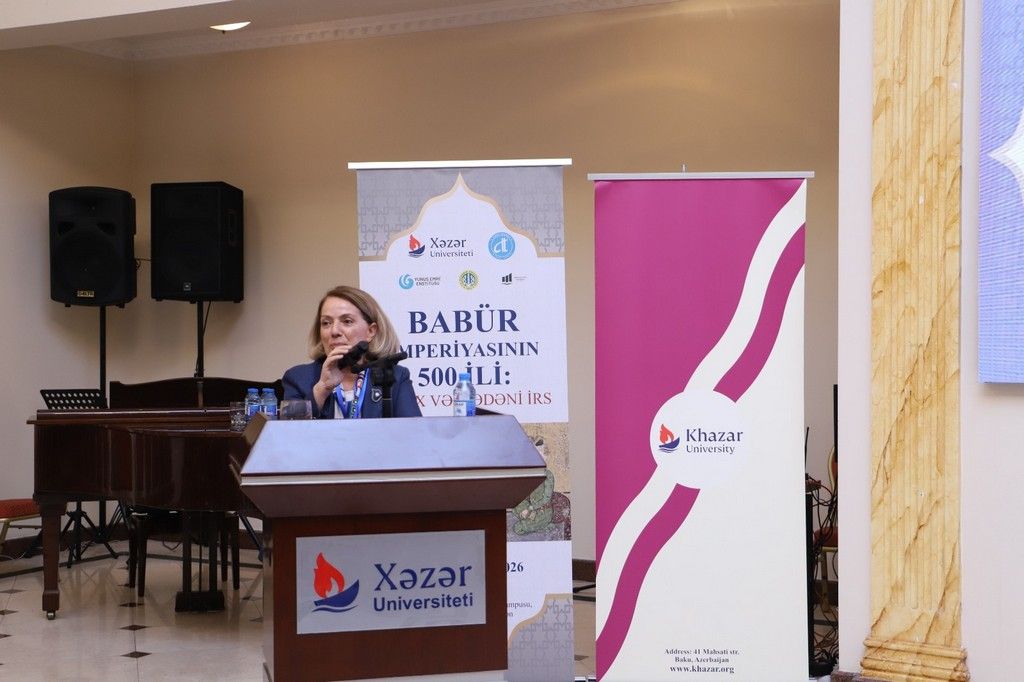
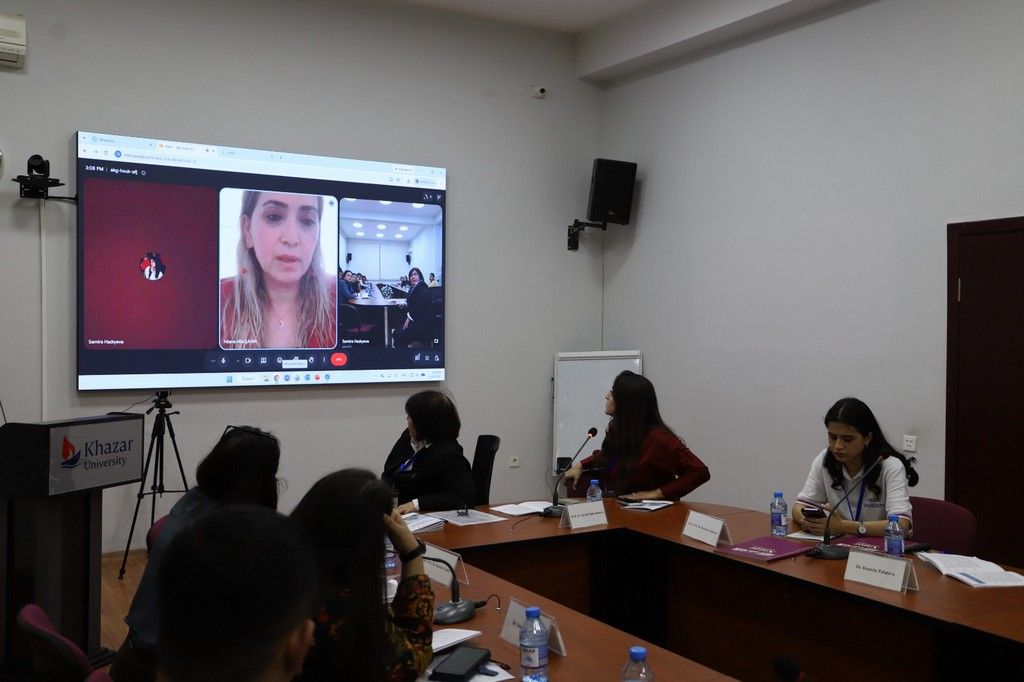
At the opening ceremony of the conference, scholars and researchers from Pakistan, Türkiye, and Uzbekistan also spoke, sharing their views on various aspects of Mughal history. The international scientific event then continued its work with thematic panel sessions. The panel discussions featured an exchange of views on important topics such as the emergence and development of the Mughal state, the empire's political and military strategy, traces of Turkic culture in India, historical ties with Azerbaijan and Central Asia, and the study of the Mughal legacy in the modern era.
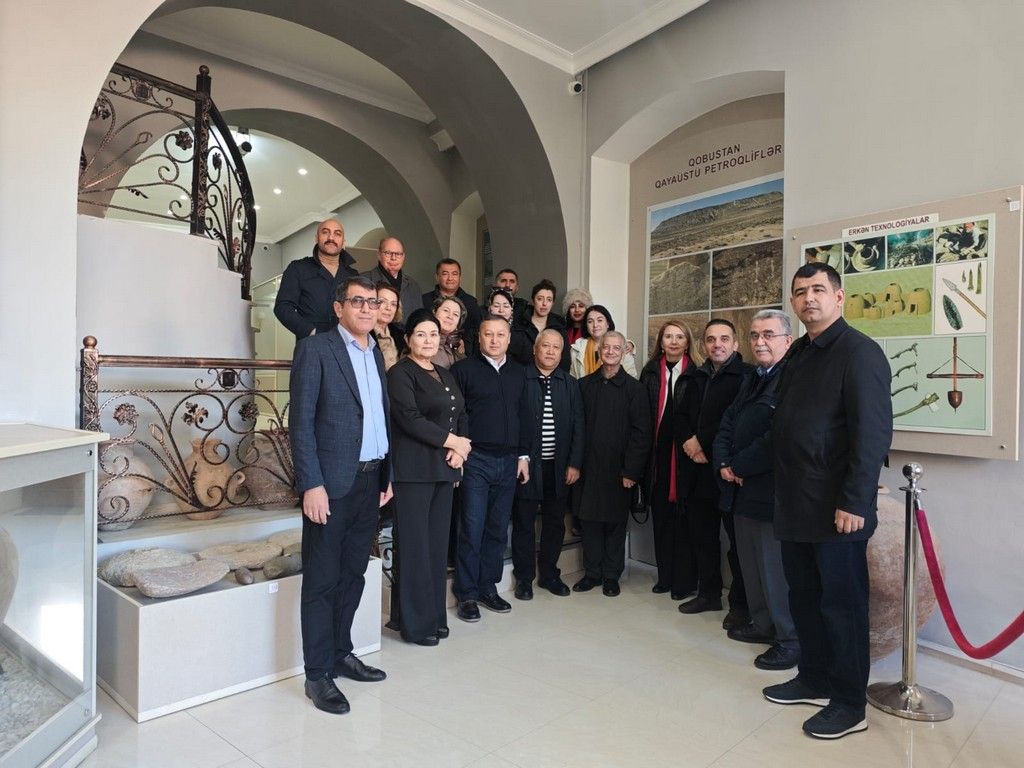
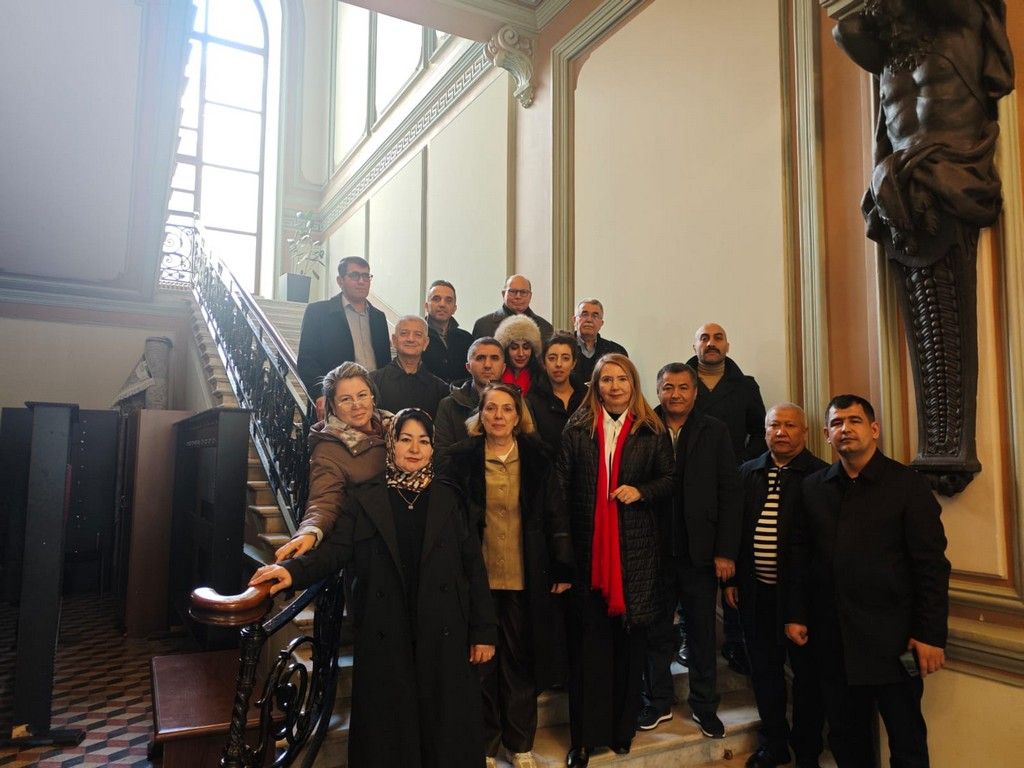
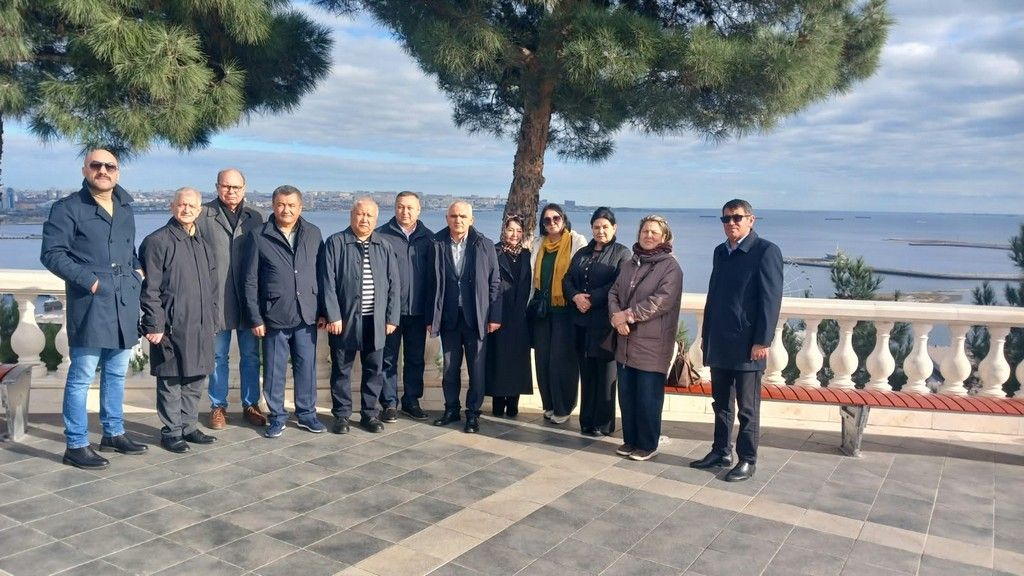
After the conference's scientific program concluded, on November 27 a special excursion was organized for scholars and researchers who had come to Baku from various countries of the Turkic world, to familiarize them with our city's historical and cultural heritage. The guests visited a number of Baku's historical and cultural sites, led by the National Museum of History of Azerbaijan, and were given detailed information about our country's rich history, national and cultural heritage, and the architectural features of our capital.
This international conference, dedicated to the 500th anniversary of the Mughal Empire, is of great importance for the deeper scientific study of the common history and cultural heritage of the Turkic peoples, the expansion of academic cooperation among scholars from various countries, and the strengthening of scientific and cultural ties in the Turkic world.
This prestigious scientific event, hosted by Khazar University, showed once again that the Mughal legacy is the common historical wealth not only of India or Central Asia, but of the Turkic-Islamic world as a whole. Studying this legacy and conveying it to future generations is of particular importance for taking ownership of our common history, cultural memory, and civilizational values.


Copyright © Khazar University, 2026
