Professor, Head of the Water Sciences and Hydroinformatics Research Center
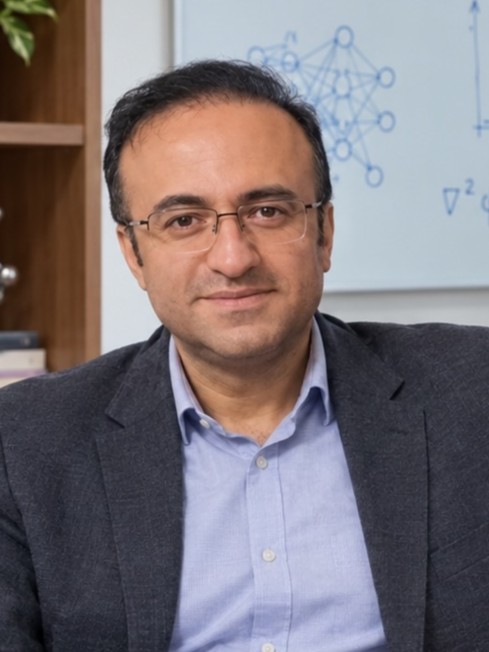
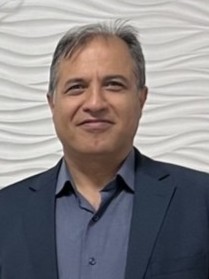
Dr. Mohammad Taghi Sattari is a distinguished Professor in the Department of Water Engineering at the University of Tabriz, Iran, with a specialized focus on hydroinformatics. He earned his Ph.D. from Ankara University in Turkey, fostering a strong and ongoing international collaboration, which includes a role as a Guest Researcher at Ankara University.
A prolific and top-awarded researcher in his field, Dr. Sattari has authored over 100 peer-reviewed publications. His research is centered on the application of advanced data mining, artificial intelligence, and deep learning techniques to solve complex challenges in hydrology and water resources. His work encompasses a wide range of critical areas, including reference evapotranspiration modeling, drought prediction, reservoir operation optimization, water quality assessment, and sediment transport.
Dr. Sattari's expertise bridges the gap between theoretical computational models and practical water management, making significant contributions to sustainable agricultural and environmental water use, with a particular focus on the Urmia Lake basin and other critical regions.
Professor
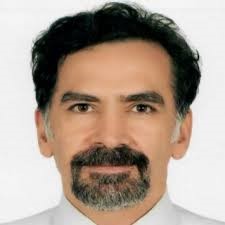
Dr. Halit Apaydin is a Professor in the Department of Agricultural Engineering at Ankara University, Turkey, where he has built a distinguished career in hydrology and water resources engineering. He completed his entire academic training, from undergraduate to Ph.D., at Ankara University.
His extensive research portfolio focuses on the application of advanced computational techniques to solve complex environmental challenges. A significant part of his work involves developing and applying artificial intelligence, deep learning, and data-driven models for hydrological forecasting, including streamflow, evapotranspiration, and sediment load estimation. Furthermore, his expertise encompasses water quality assessment, irrigation management, drought analysis, and the use of Geographic Information Systems (GIS) for spatial hydrological studies.
Dr. Apaydin maintains an active and prolific international collaboration network, co-authoring numerous high-impact publications with researchers from Iran, Pakistan, and across Europe. His work effectively bridges the gap between theoretical modeling and practical water resource management, contributing to more sustainable agricultural and environmental practices.
Professor
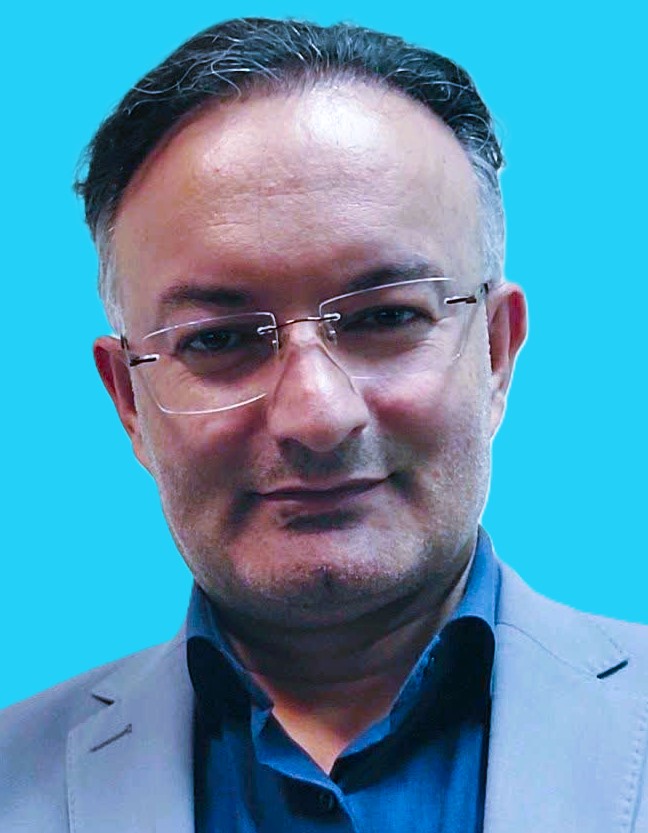
Prof. Mohammad Mosaferi is an Environmental Health specialist with a Ph.D. from Tehran University of Medical Sciences and over twenty years of experience in water quality, environmental pollution, and public health. He currently serves as a Professor of Environmental Health at Tabriz University of Medical Sciences (TBZMED).
His research and professional work focus on sustainable water quality management, pollution control, and the integration of health risk assessment into environmental policy and education. His specific academic interests encompass water treatment, river pollution monitoring, arsenic contamination and remediation, environmental epidemiology, wastewater management, environmental and health impact assessment, waste management, and soil and mining pollution.
Prof. Mosaferi teaches a broad spectrum of undergraduate and graduate courses, including Advanced Water Treatment, Environmental and Health Impact Assessment, Water Quality Management, and Environmental Chemistry.
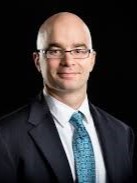
Professor
John P. Abraham, Ph.D. is a distinguished Professor of Mechanical Engineering at the University of St. Thomas, USA with extensive expertise in heat transfer, fluid mechanics, and climate science. An accomplished researcher and author of approximately 500 publications, including books, journal articles, and conference presentations, his work spans biological heat transfer, biomedical device design, renewable energy, and climate change. He has received numerous awards, including the Advances in Atmospheric Sciences Notable Paper Award (2024) and the National Center for Science Education's Friend of the Planet Award (2016). Dr. Abraham also serves as Vice President of Research at WTS LLC, leading solar-electrical-thermal research initiatives. With a strong record of securing research funding (totaling nearly $25 million) and holding multiple patents, he is a leading voice in both academic and applied engineering, contributing significantly to public understanding of science through media engagement and climate communication.
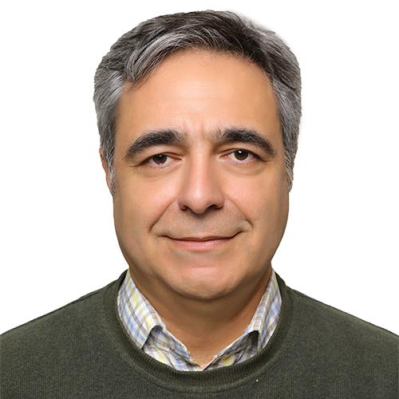
Professor
Prof. Dr. Rasoul Daneshfaraz was born in 1972 in Tabriz, Iran. He completed his bachelor's degree in Irrigation Engineering at Urmia University, Iran, before pursuing his M.Sc. and Ph.D. in Hydraulic Engineering at Ege University in Türkiye. An accomplished scholar, Prof. Daneshfaraz has built an extensive academic and research career, authoring over 300 publications in peer-reviewed journals and international conferences. He actively contributes to the scientific community as a reviewer for numerous reputable journals. His primary research interests encompass hydraulics, fluid mechanics, and the development of mathematical and laboratory models in water engineering. He has further authored several books in these fields, making significant contributions to both the theoretical and applied aspects of hydraulic science. Currently, he holds the position of Full Professor at the University of Maragheh, Iran, and maintains an active scientific collaboration with Recep Tayyip Erdoğan University in Türkiye. Additionally, Prof. Daneshfaraz serves as an editor for the Turkish Journal of Hydraulic Engineering.
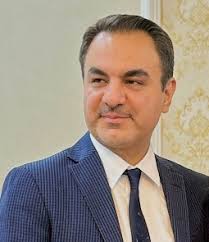
Professor
Ali Danandeh Mehr is a professor of Civil and Environmental Engineering in the Department of Civil Engineering at Antalya Bilim University, Turkey. He previously held a postdoctoral research fellowship at the Water, Energy, and Environmental Engineering Research Unit, University of Oulu, Finland. With over 100 peer-reviewed journal papers, seven books, and several book chapters to his name, Prof. Danandeh Mehr is a highly recognized scholar in his field. Since 2019, he has been consistently ranked among the world's top 2% scientists in environmental engineering (Stanford University/Elsevier/Scopus database). In 2025, he was also recognized among the top 0.05% of the world's highly ranked scholars in the specialized field of drought by ScholarGPS™. He is the associate editor for the Journal of Hydrology (Elsevier), Hydrological Science Journal (Taylor & Francis), and J. Civil. Env. Eng. (Tabriz Univ.) and collaborates as a guest editor/reviewer for different international scholarly journals. His research centers on stochastic hydrology, hydroinformatics, modeling and forecasting of extreme hydrologic events, and the impacts of climate change on water resources.
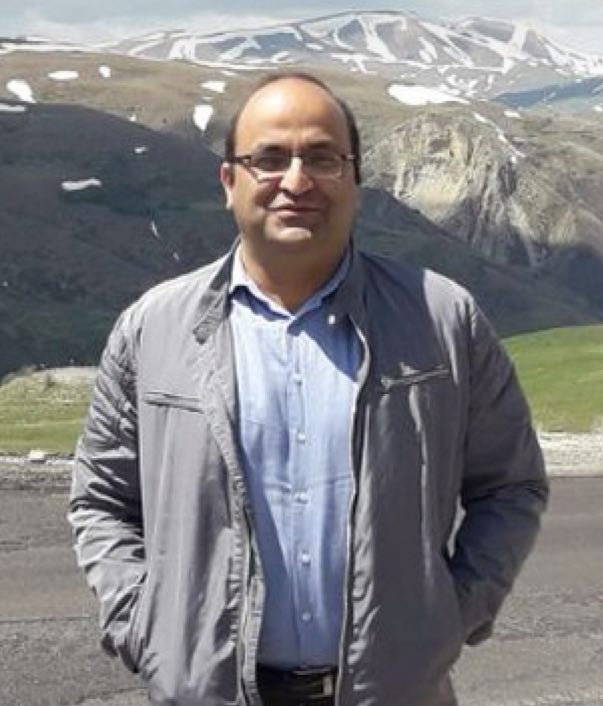
Professor
Dr. Kiyoumars Roushangar is a Professor in the Faculty of Civil Engineering, Department of water and environment Engineering at the University of Tabriz, Iran, specializing in hydraulic structures, hydroinformatics and hydrologic modeling. He has an extensive academic career, progressing from Assistant Professor in 2010 to full Professor in 2019. Dr. Roushangar has published over 100 ISI-JCR-indexed articles and more than 75 papers in Persian language scientific journals. His research focuses on river engineering, sediment transport, climate change effect on water resources and Ai based hydrologic modeling.
He has also contributed chapters to several international books on hydro informatics and sediment transport.
Dr. Roushangar has supervised numerous graduate students and serves on the editorial board of the Journal of Civil and Environmental Engineering.
Professor
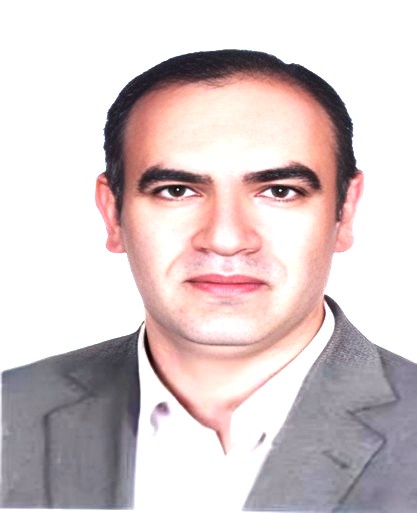
Arash MALEKIAN is a professor of University of Tehran, member of Academy of Sciences of Iran and former visiting Professor at University of Gottingen, Germany. His main research, teaching and outreach activities have focused on sustainable management of water resources, environmental modeling and application of climate information in adaptation, mitigation, policy and decision-making. He has worked at several universities over the world and has gained extensive experience working with the international community via project collaboration, joint research and teaching, consultation and through various training and outreach opportunities in different countries and international organizations to date on soil, water and climate related environmental issues. He is also the former Cluster Lead and Focal Point of SDG 6: Clean Water and Sanitation in International Association of Universities (IAU)- UNESCO and has authored or co-authored several international articles, highly cited article and book chapters. His Google Scholar H- Index is 38 and he is in the list of top five scientists in the global list of Google Scholar in the field “Watershed Science” and also in the list of top ten scientists in the field of “Water Resources Systems” according to Google Scholars. His published article on water scarcity, anthropogenic and drought consequences was recently published in the world top ranked journal "Science".
Professor
Dr. Sina Sadeghfam received his Ph.D. in Civil Engineering, specializing in Water Engineering, from the University of Tabriz in 2016. His doctoral dissertation focused on the stochastic modeling of groundwater quantity and quality, incorporating risk analysis. He joined the University of Maragheh as a faculty member in 2016 and was promoted to Professor in 2026. From 2022 to 2025, he served as Director of the Technology Incubator Center of Maragheh, where he supported innovation and the development of knowledge-based companies. Since 2025, he has served as Dean of the Faculty of Engineering at the University of Maragheh. He has supervised numerous M.Sc. theses and Ph.D. dissertations in water engineering and related fields.
His research interests encompass water engineering, uncertainty quantification, and hazard assessment. His work focuses particularly on reliability analysis, risk and uncertainty modeling, artificial intelligence applications in water systems, and the assessment of natural and anthropogenic hazards, including drought, land subsidence, and pollution. A significant part of his recent research addresses the environmental challenges facing Lake Urmia, with an emphasis on hydroclimatic processes and sustainable water resources management in the basin. Dr. Sadeghfam has published more than 66 scientific papers and has contributed to the academic community as an associate editor, editorial board member, and reviewer for several international scientific journals.
Associate Professor
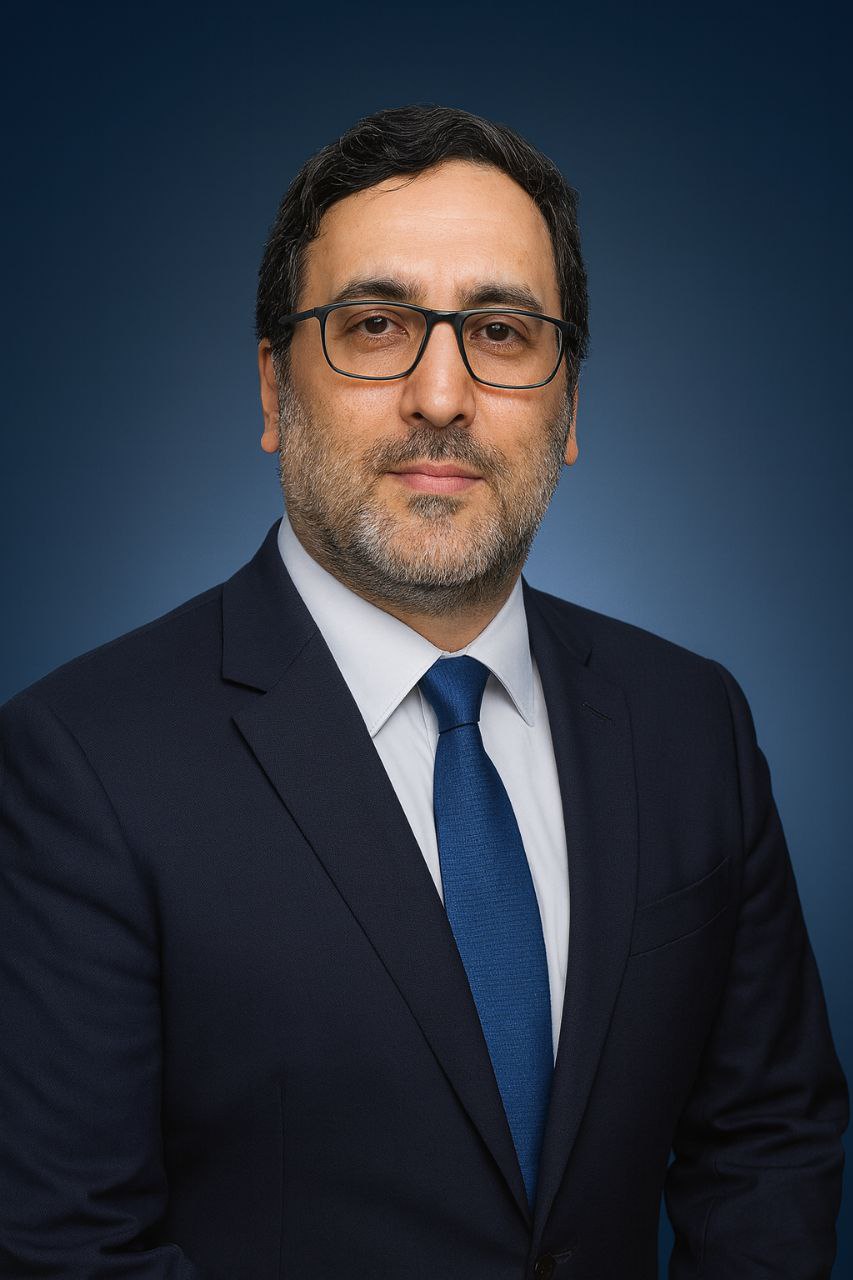
Rasoul Mirabbasi is an Associate Professor of Hydrology and Water Resources Engineering at Shahrekord University, Iran. He also served as the head of the Water Resources Center at Shahrekord University from 2018 to 2023. He studied Irrigation Engineering at the Department of Water Engineering, Shahid Bahonar University of Kerman, Iran, and graduated in 2004. In 2007, he received his master's degree in Hydraulic Structures from Shahid Bahonar University of Kerman. He earned his PhD in Water Resources Engineering from the Department of Water Engineering, University of Tabriz, Iran, in 2013. He was a visiting scholar at the University of Connecticut, USA (2013), and a visiting researcher at the University of Oulu, Finland (2023). His research focuses mainly on statistical and environmental hydrology and climate change. In particular, he works on modeling natural hazards such as floods, droughts, wind, and pollution toward a sustainable environment. He has contributed to more than 190 journal articles, 3 textbooks, 4 edited reference books—including Integrated Drought Management (two volumes), Agricultural Impacts of Climate Change, and Applied Agricultural Practices for Mitigating Climate Change—8 book chapters, and 123 conference papers. He has served on the editorial boards of 4 journals and as a reviewer for about 40 Web of Science (ISI) journals. His Google Scholar profile lists 3,506 citations, an h-index of 30, and an i10-index of 55.
.jpg)
Associate Professor
Assoc. Prof. Dr. Saeed Samadianfard focuses on hydrology and water resources, environmental and numerical modeling, and the application of artificial intelligence techniques including machine learning, deep learning, and artificial neural networks to model complex hydrological and environmental processes. His research interests encompass data analysis, remote sensing applications in water resources, and Earth science based approaches to address challenges such as evapotranspiration estimation, drought forecasting, sediment transport modeling, soil temperature prediction, and water quality assessment. He also explores the integration of satellite-derived data with intelligent models to improve the accuracy and reliability of hydrological predictions. His work emphasizes developing data-driven, adaptive modeling frameworks that support sustainable water management under changing climatic conditions.
Associate Professor
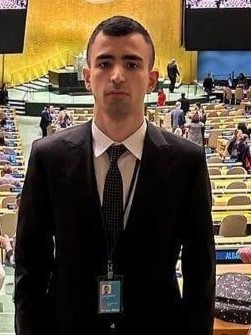
Associate Professor Firuz Suleymanov holds a Ph.D. in Human Geography from the University of Eastern Finland, Finland. His areas of expertise include water diplomacy, transboundary water management, and water security, with a focus on strengthening cooperation over shared water resources and promoting sustainable and equitable water governance. His work explores the complex relationships between water and international relations, emphasizing the role of dialogue, negotiation, and collaborative approaches in addressing water-related challenges. He is particularly interested in advancing water diplomacy as a means of fostering regional cooperation, preventing disputes, and building trust among countries sharing transboundary water resources, including in situations characterized by political tensions and competing interests. In addition to his academic background, Associate Professor Suleymanov holds the Certified Innovation Strategist (CInS®) credential from the Global Innovation Institute (GInI). This qualification complements his expertise in water management by integrating strategic thinking, innovation, and problem-solving approaches into water governance.
PhD, Dr
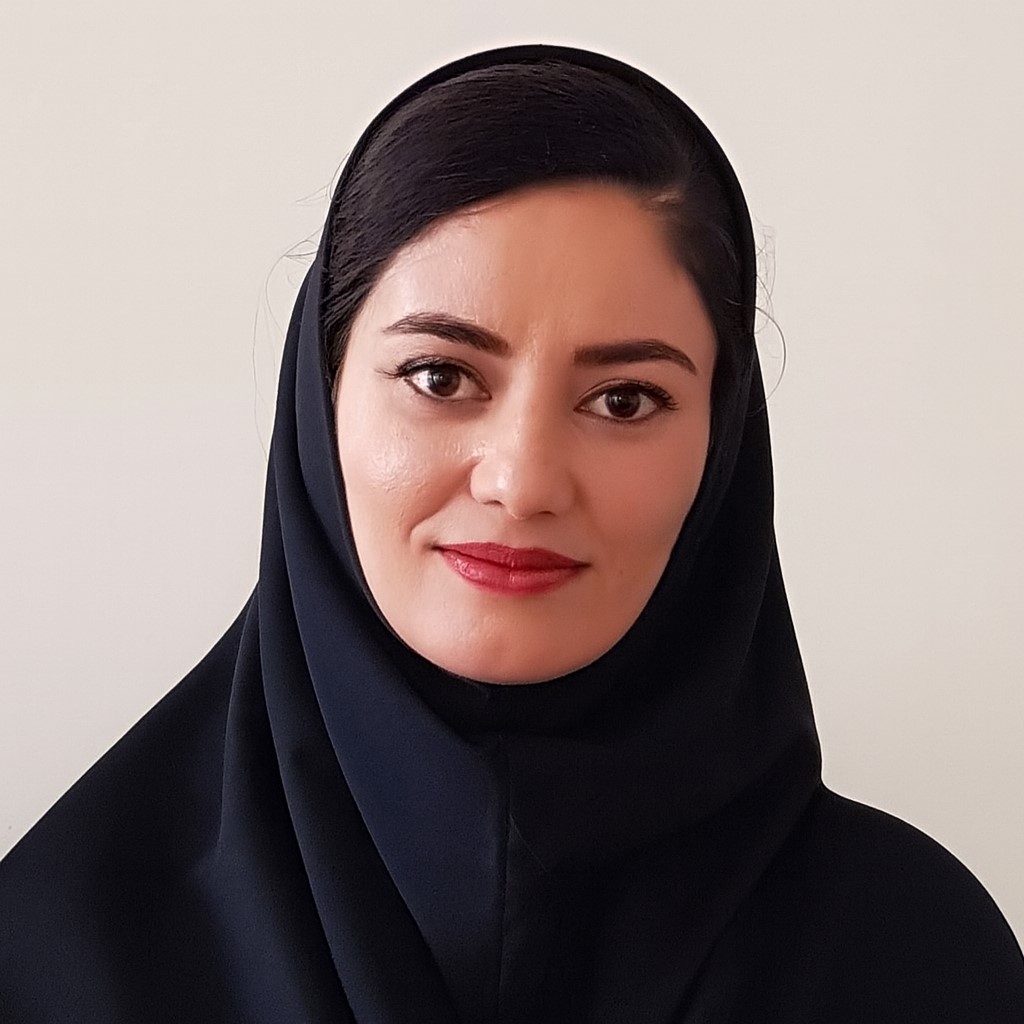
Dr. Hajar Feizi is a water resources engineer specializing in data-driven and deep-learning approaches for hydrologic and environmental modeling. Her research integrates artificial intelligence and optimization techniques to improve streamflow forecasting, reservoir operation, and water-quality assessment. She has published several papers on the application of advanced machine-learning frameworks in hydrology and environmental systems. Current studies emphasize ensemble modeling and intelligent forecasting to enhance the reliability of water-resource predictions under climate-change conditions.
PhD Candidate
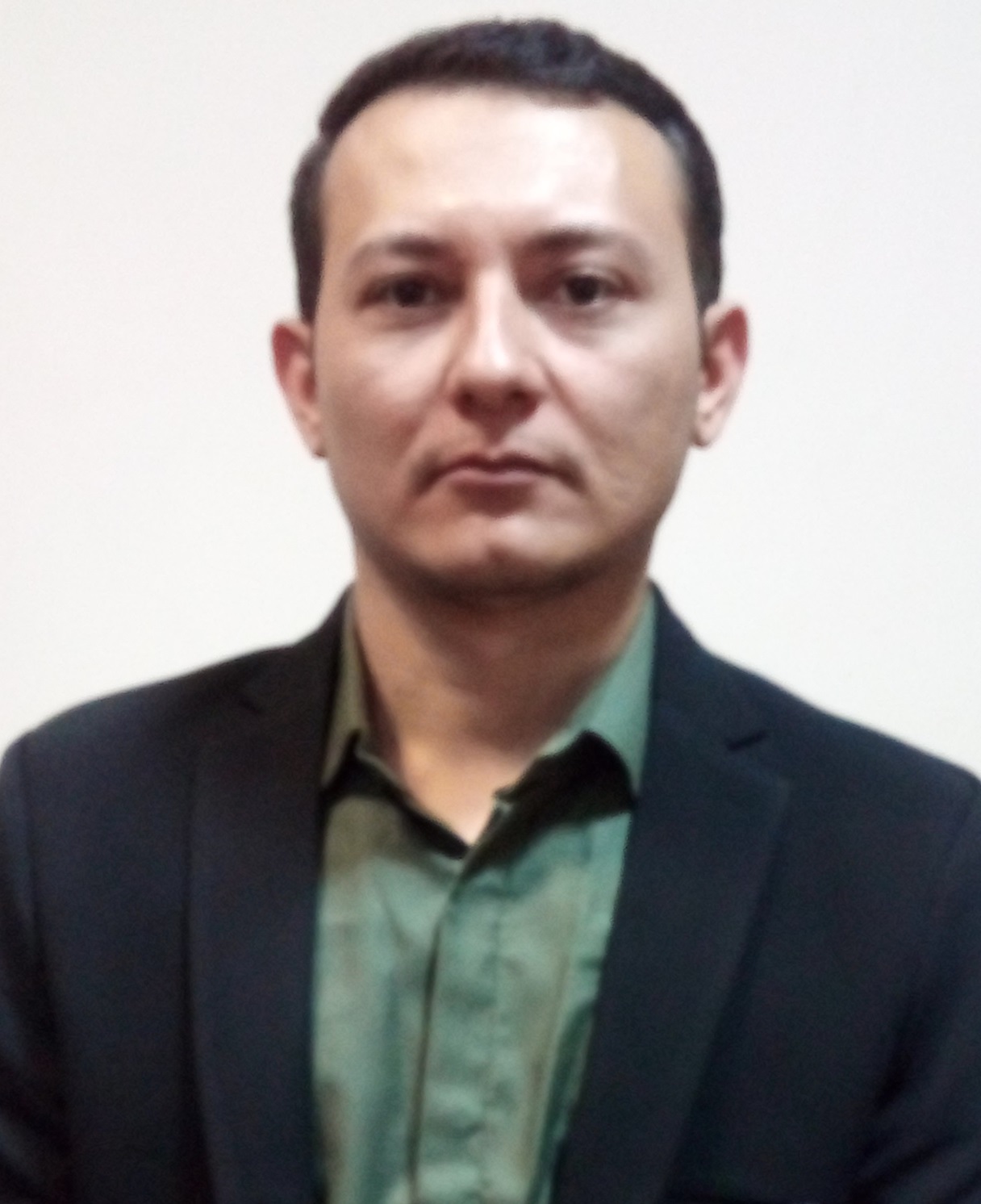
Pouya Allahverdipour holds a Bachelor’s degree in Water Engineering from the University of Mohaghegh Ardabili, Iran, and a Master’s degree in Water Engineering with a specialization in Water Resources from the University of Tabriz, Iran.
He is currently pursuing his Ph.D. in Water Engineering (Water Resources) as a joint student between the University of Tabriz, Iran, and Hacettepe University, Turkey. He is also a recipient of the prestigious TIES Scholarship for Ph.D. studies, awarded by Türkiye for the 2025–2026 academic year.
His primary research focuses on several key areas within his field, including Hydrology, the Applications of Machine Learning in Hydrology, Climate Change, Hydrometeorology, Drought Analysis, Extreme Events, Water Resources, and Trend Analysis.
PhD Candidate
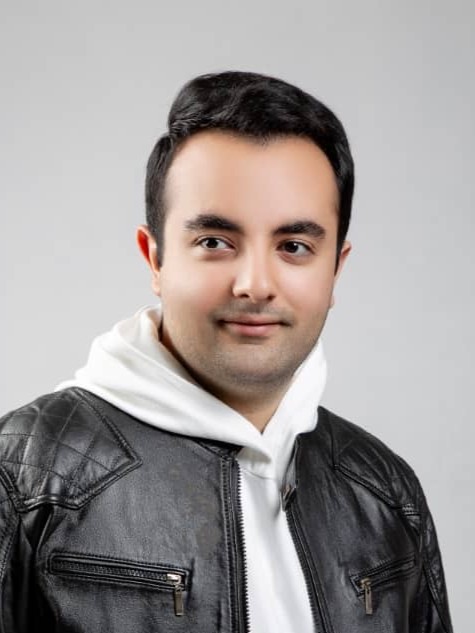
Erfan Abdi is in computational hydrology and water resources, with expertise in applying machine learning and deep learning to solve complex environmental challenges. His work focuses on developing intelligent models for the simulation, forecasting, and management of water systems. He possesses a skill in enhancing model performance through sophisticated time-series signal analysis, extracting critical patterns and features that traditional methods often miss. Furthermore, he has practical experience in the pre-processing and integration of geospatial imagery (Remote sensing) with AI algorithms and computer vision, creating powerful tools for automated monitoring, control, and decision support in water-related applications.


Copyright © Khazar University, 2026