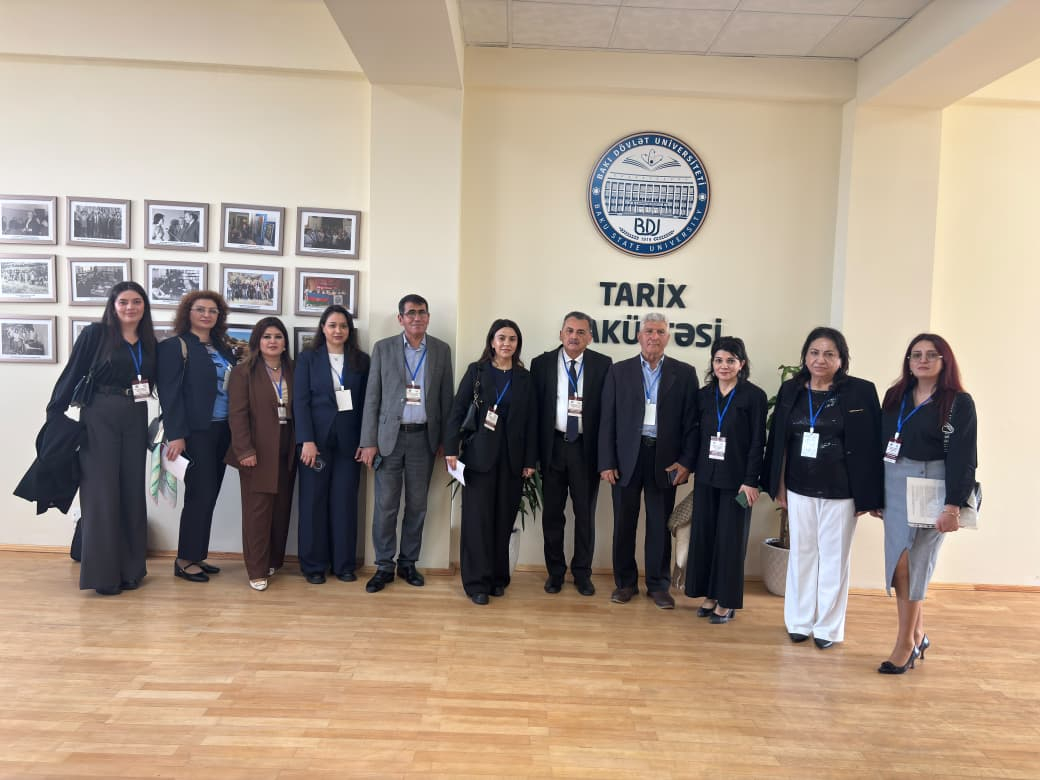
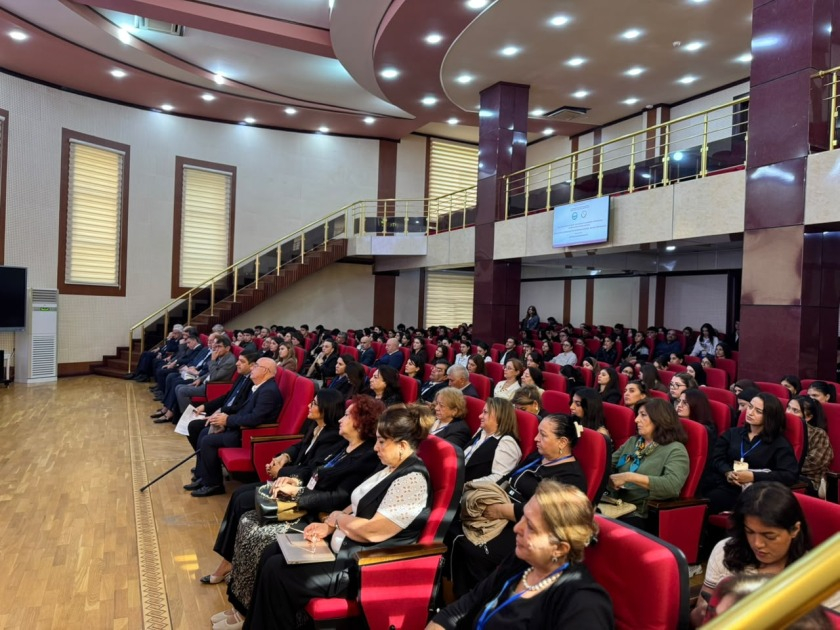
On October 16, 2026, a national academic conference entitled “Current Issues in Archaeology, Ethnology, and Anthropology” was held at Baku State University, organized by the Institute of Archaeology and Anthropology of ANAS and the Faculty of History of Baku State University to mark the 50th anniversary of the Department of Archaeology and Ethnography.
A total of 65 scientific abstracts were submitted to the conference by the Institute of Archaeology and Anthropology of ANAS, the Department of History, Ethnography, and Archaeology of the Nakhchivan Branch of ANAS, Baku State University, Nakhchivan State University, Lankaran State University, Khazar University, Western Caspian University, the Gobustan State Historical and Artistic Reserve, the National Museum of History of Azerbaijan, the “Ancient City of Shamkir” State Historical and Cultural Reserve, and other scientific and educational institutions.
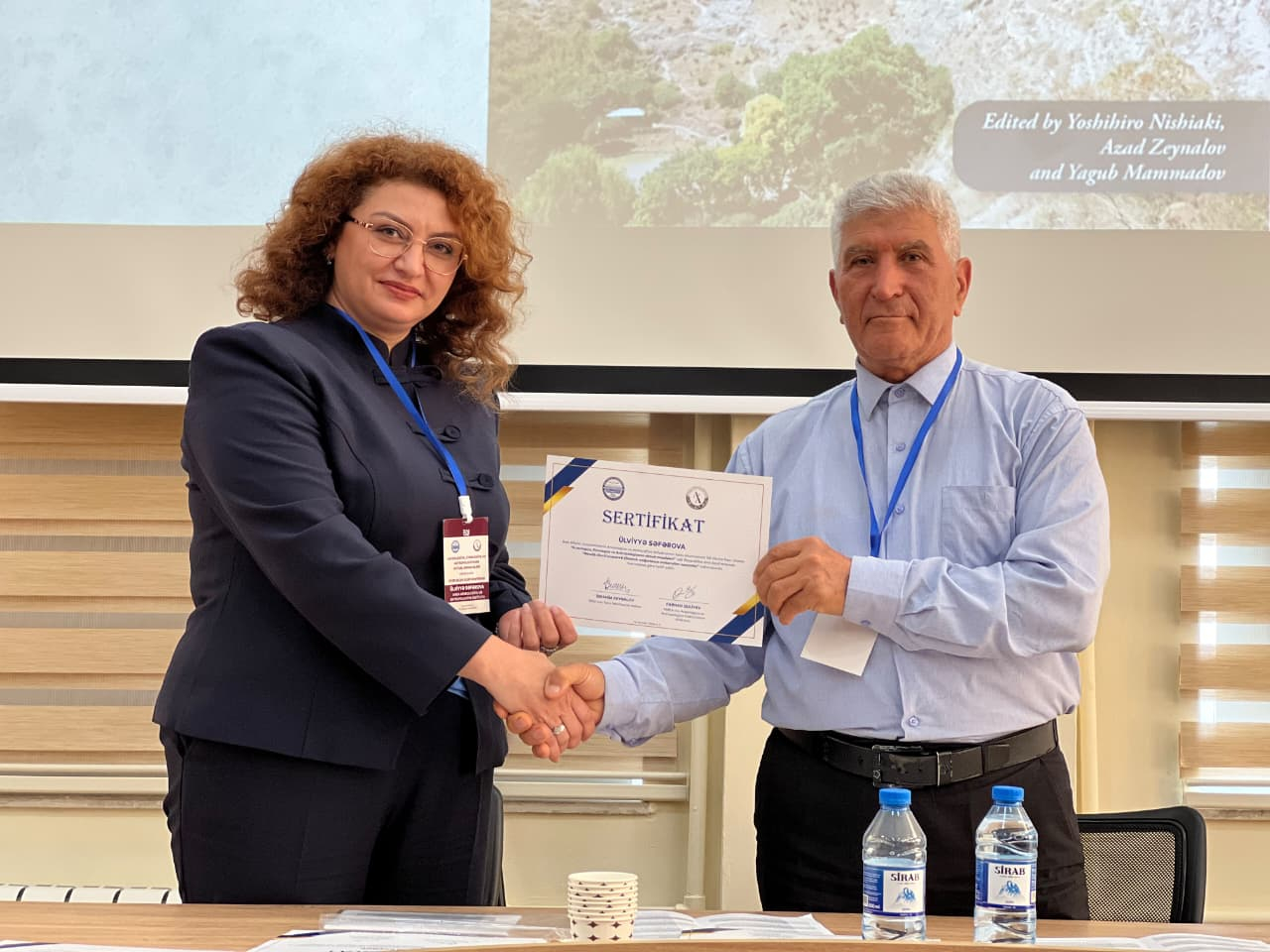
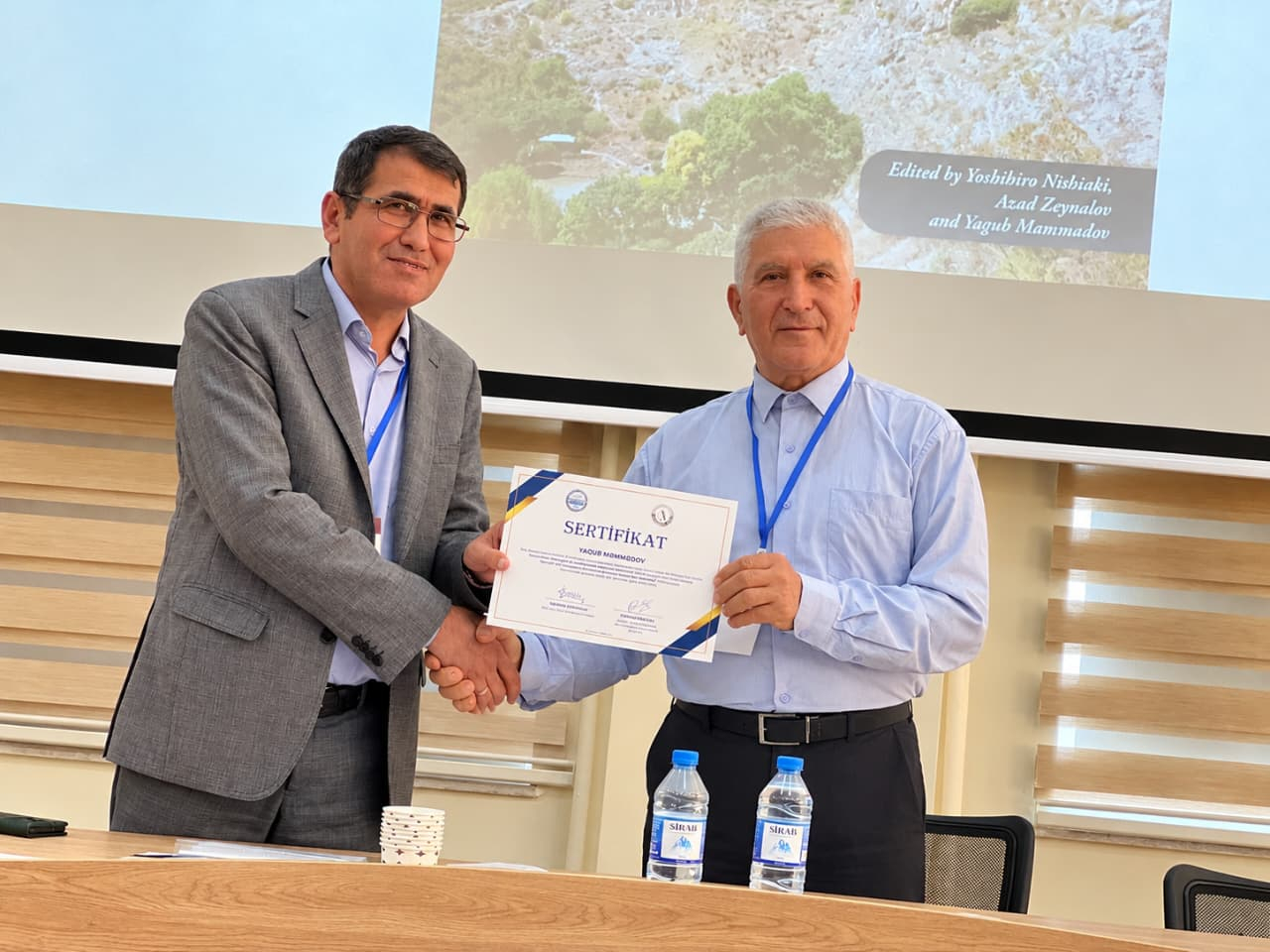
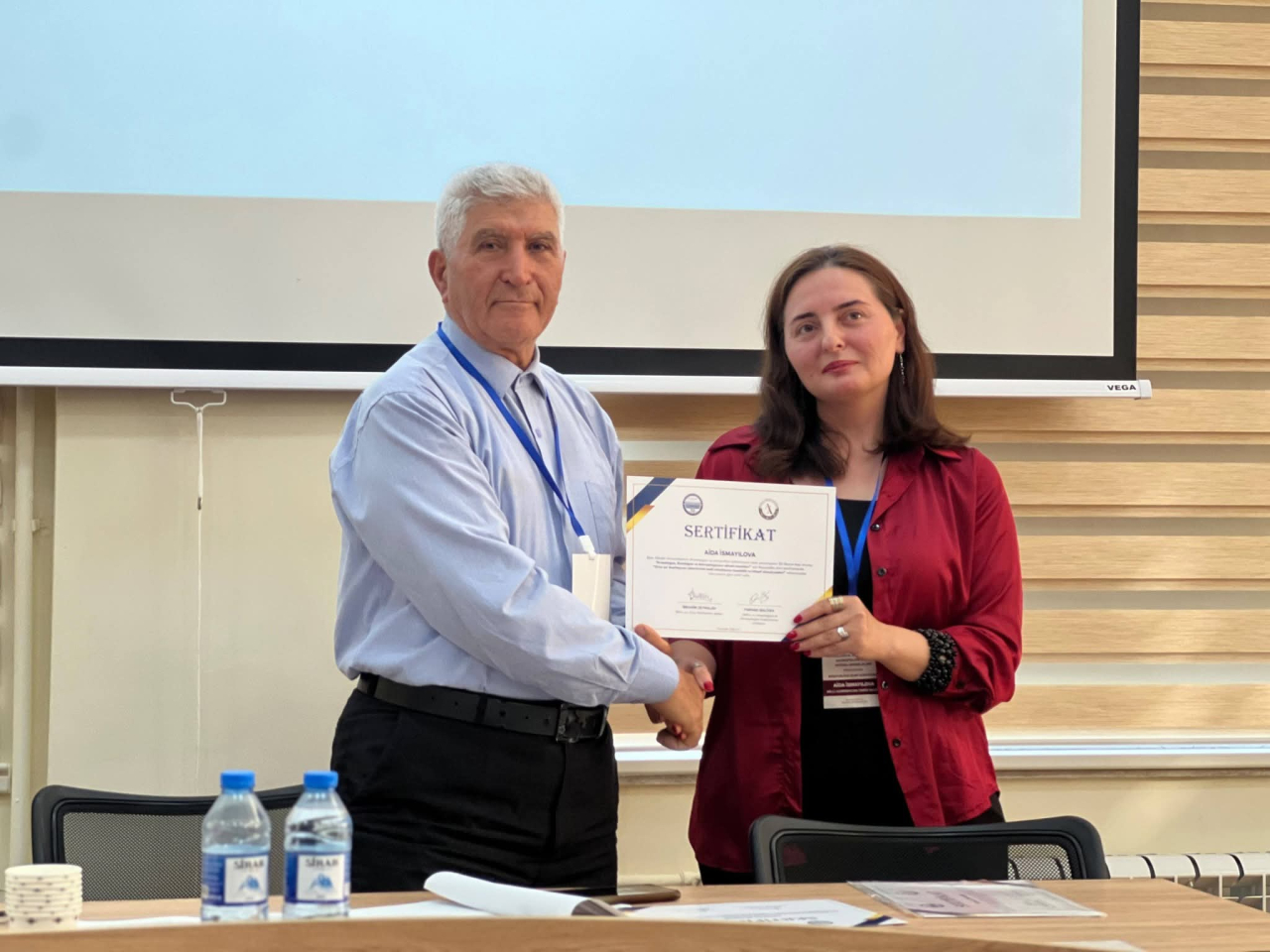
The conference was attended by staff members of the Institute of Archaeology and Anthropology of ANAS, Dr. Yaqub Mammadov and Ulviyya Safarova, faculty members of Khazar University’s Department of History and Archaeology, as well as Dr. Aida Ismayilova, a staff member of the National Museum of History of Azerbaijan and a faculty member of Khazar University’s Department of History and Archaeology.
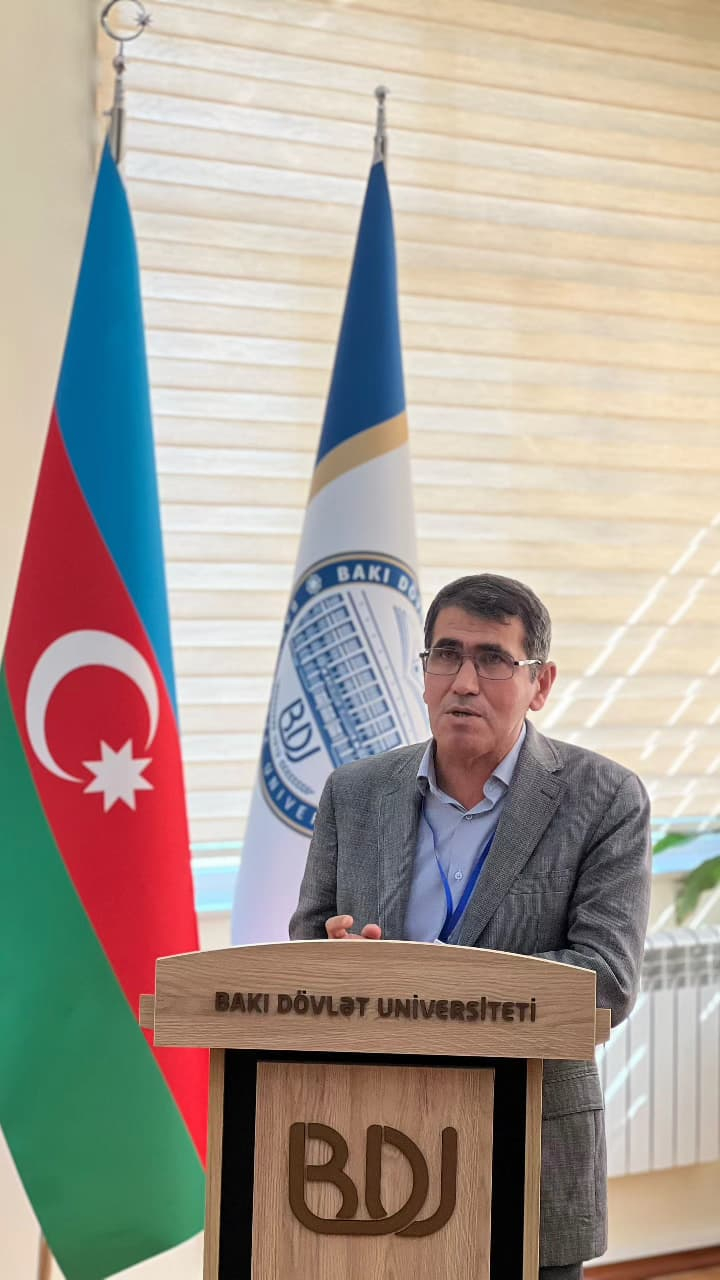
Dr. Yaqub Mammadov delivered a presentation entitled “Mesolithic Art (Based on Materials from Damjili Cave).” In the presentation co-authored with Ulviyya Safarova, Dr. Yaqub Mammadov discussed Mesolithic artifacts recovered during excavations conducted at Damjili Cave by the Azerbaijan–Japan International Archaeological Expedition in 2016–2019 and 2022–2023.
It should be noted that a unique anthropomorphic stone figurine, delicately carved from sandstone and depicting hair, a headdress, and a belt, as well as a perforated pendant made from a wild boar’s canine tooth, were discovered in Layer 5.2 of the cave’s Mesolithic stratum, dating to 6400–6100 BCE. These portable art objects, examined through archaeometric analyses (CT, p-XRF, and SEM), are distinguished by the absence of parallels at other Mesolithic sites in the region and by their stylistic differences from the artifacts of Gobustan. This is of fundamental importance for understanding the symbolic and ideological complexity of the Neolithization process and the transitional period in the South Caucasus.
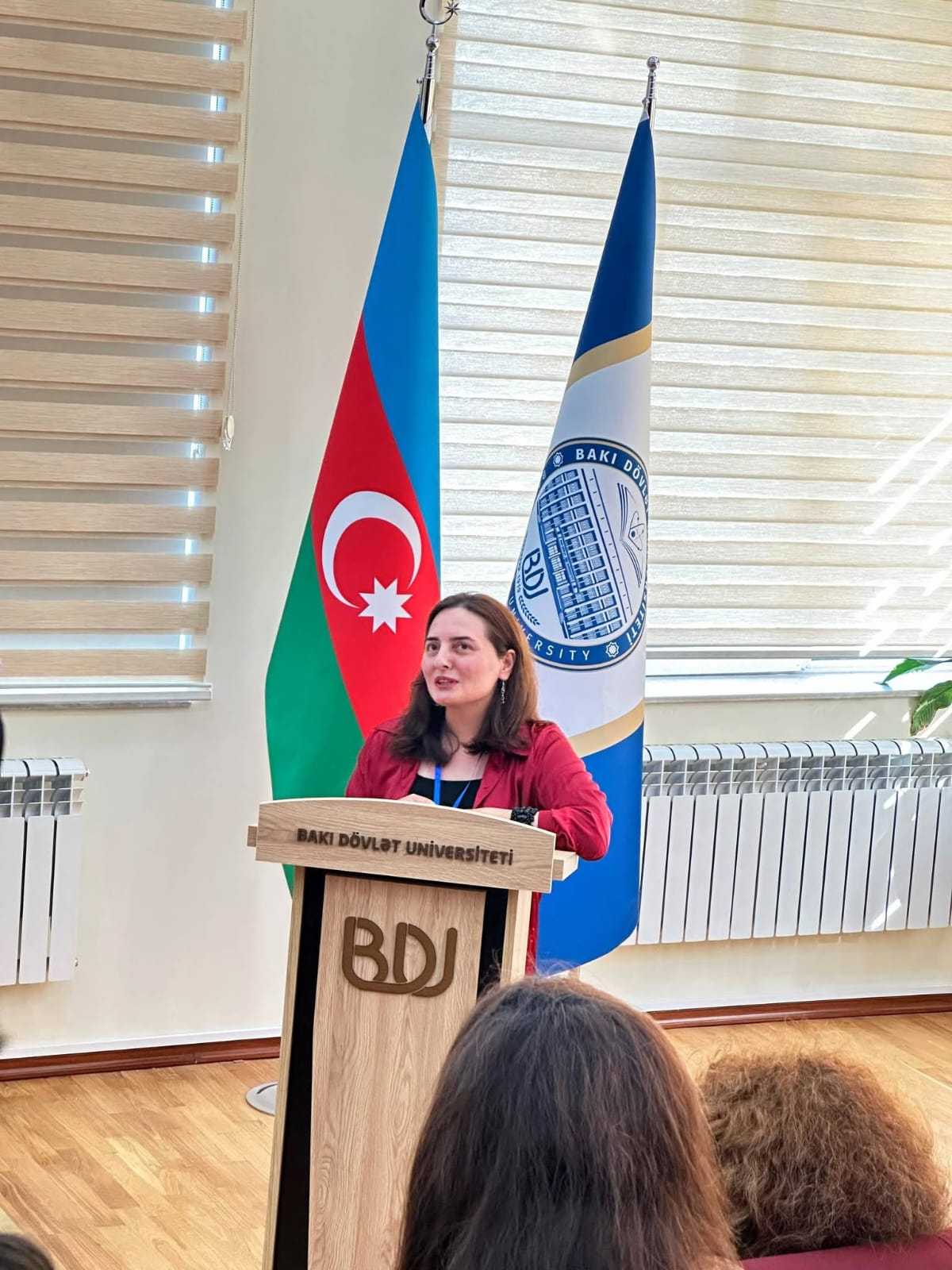
Dr. Aida Ismayilova delivered a presentation entitled “The Formation and Development of Artistic Metalworking in Medieval Azerbaijani Cities.” Her presentation shed light on the activities of craft centers such as Ganja, Nakhchivan, Tabriz, Shamakhi, and Lahij during the Seljuk, Atabeg, and Safavid periods, the development of metalworking techniques, and the contributions of Azerbaijani artisans to the artistic metalwork of the Islamic world.


Copyright © Khazar University, 2026
